
Mental Health Among African Immigrants in America: The Silent Crisis
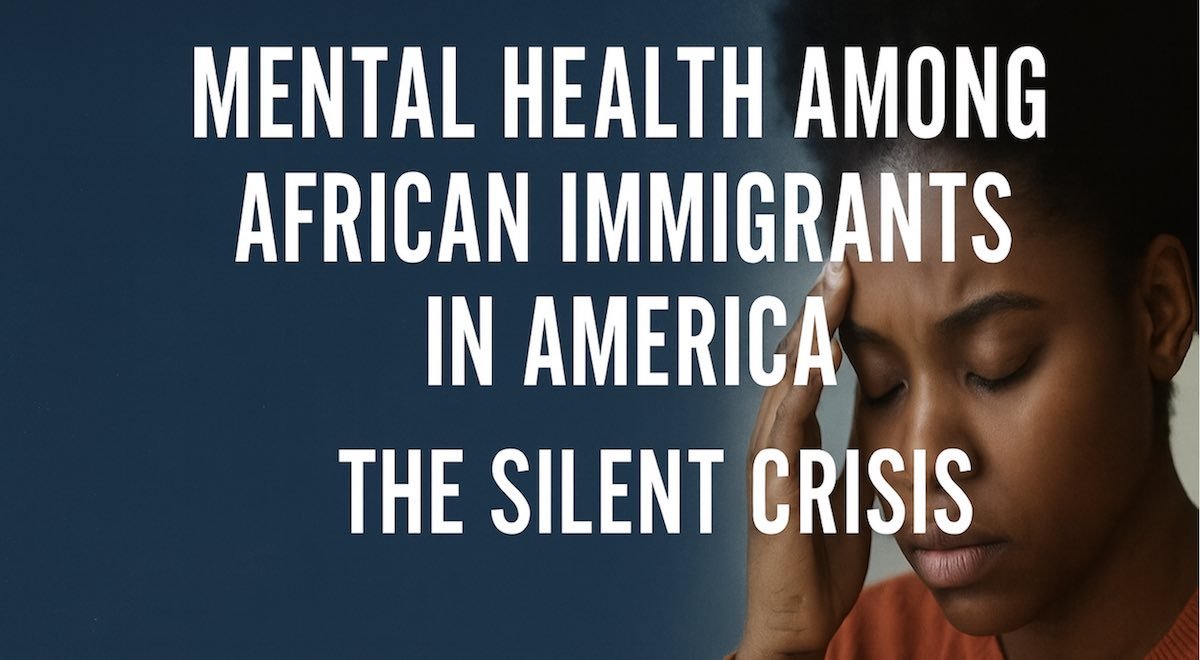
A growing number of African immigrants in the United States, including thousands from Kenya, are quietly struggling with mental health challenges—yet most suffer in silence due to cultural stigma, lack of accessible care, and the pressures of adjusting to life in a foreign country. Experts now warn that this silent crisis is worsening as economic stress, loneliness, and immigration-related anxieties continue to rise.
Silent Struggles Behind the American Dream
While African immigrants are among the most educated and ambitious groups in the U.S., they also face unique stressors:
- Culture shock and identity tension
- Financial pressure to support families back home
- Immigration uncertainty, especially for those awaiting work permits or green card decisions
- Isolation, as many leave behind their social support networks
Workplace discrimination and microaggressions
“These pressures compound over time, and many immigrants don’t realize that what they’re experiencing is anxiety or depression,” says Dr. Andrea Wanjiru, a Kenyan-born psychologist based in Minnesota.
Stigma Keeps Many From Seeking Help
Mental health remains heavily stigmatized in much of Africa, where struggles are often dismissed as weakness or spiritual issues. Many immigrants therefore avoid therapy or counseling, fearing their families will not understand.
“Our parents told us to be strong, to just pray, or to keep it inside,” says Charles, a Kenyan professional in Texas. “You don’t talk about depression. You just keep working.”
This silence, experts say, is one reason suicide rates among African immigrants have risen in several states over the past five years.
Barriers to Accessing Mental Health Care
Even when African immigrants want help, they face barriers:
- Lack of African or culturally aligned therapists
- Insurance limitations
- High cost of treatment
- Fear that seeking mental health services may affect immigration cases (a common misconception)
Language can also be a challenge for older immigrants who may feel uncomfortable expressing emotions in English.
Community Organizations Step In
In states with large African populations—such as Texas, Minnesota, Ohio, New Jersey, Maryland, and Georgia—community groups are stepping in. Churches, diaspora associations, and African-led mental health nonprofits are now offering:
- Free or low-cost counseling
- Mental health workshops
- Parenting seminars for immigrant families
- Peer support groups
“These programs save lives,” says Dr. Wanjiru. “People feel understood when they talk to someone who shares their background.”
Young Africans Are Breaking the Silence
Younger African immigrants and U.S.-born children of African parents are now speaking openly about therapy, depression, and trauma—especially on TikTok and YouTube. Their openness is slowly reducing stigma in the diaspora community.
“This generation is changing everything,” says Dr. Wanjiru. “They are normalizing the idea that mental health is health.”
Signs That Someone May Be Struggling
Experts urge families to watch for warning signs, including:
- Withdrawal from social activities
- Changes in sleep or appetite
- Irritability or hopelessness
- Overworking or extreme fatigue
- Loss of interest in hobbies
- Persistent worry about immigration or finances
If these symptoms last more than two weeks, they recommend seeking help.
Where Immigrants Can Find Help
African immigrants can access support through:
- SAMHSA National Helpline: 1-800-662-HELP
- African community associations in major cities
- Faith-based counseling programs
- Online platforms with Black and African therapists, such as Therapy for Black Men/Women
- University counseling centers for students
In emergencies, individuals are urged to call 988, the national suicide and crisis lifeline.
A Crisis We Can No Longer Ignore
As the African diaspora in the U.S. continues to grow, mental health experts say the community can no longer overlook the emotional realities behind the pursuit of the American dream.
“We celebrate the success stories,” Dr. Wanjiru notes, “but we must also talk about the struggles. Healing begins when we speak openly.”




Comments
No comments yet — be the first.