
Kenyan Truck Drivers in America Struggle With New Insurance and Compliance Costs
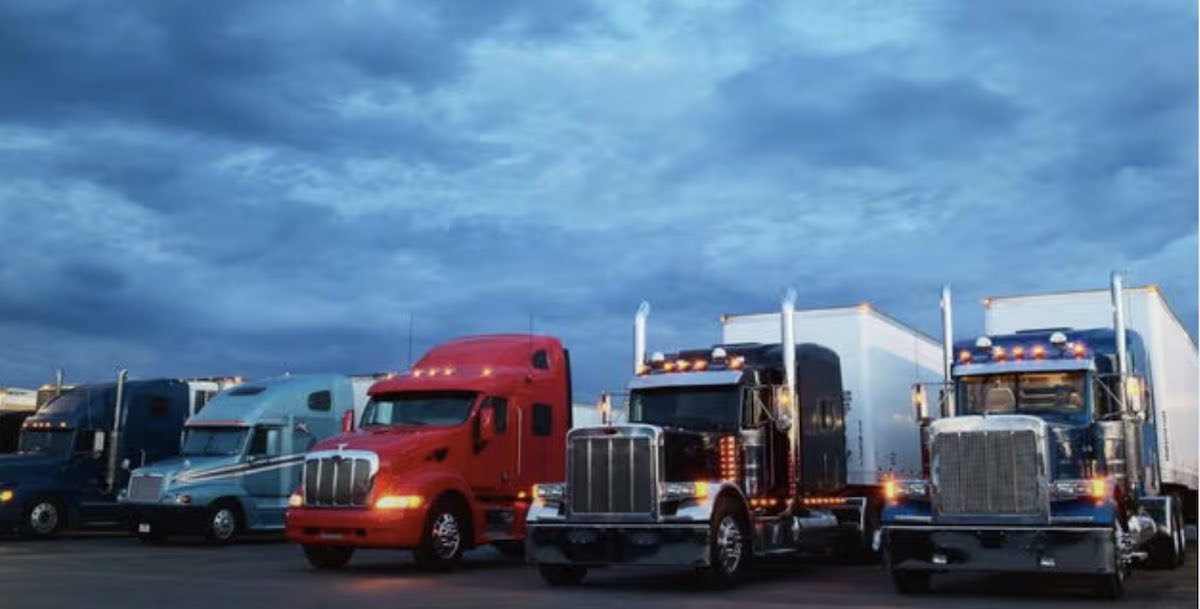
Kenyan truck drivers across the United States say they are feeling the pressure of rising insurance premiums, tighter federal regulations, and increasing operational expenses that are reshaping the American trucking industry. Many drivers—especially owner-operators—warn that the costs are becoming unsustainable, forcing some to leave the profession altogether.
Insurance Premiums Hit Record Highs
Truck insurance rates in the U.S. have soared in the last two years due to higher accident payouts, nuclear verdict lawsuits, and increased repair costs. Owner-operators report annual premiums rising from an average of $12,000–$15,000 a few years ago to $20,000–$30,000 or more in 2025.
“These numbers are shocking. Some of us are being quoted $2,800 per month,” said a Kenyan trucker based in Dallas, who has been driving for 11 years. “You end up working just to pay insurance.”
Several insurance companies have also exited the commercial trucking market, reducing options and pushing prices even higher. Younger drivers—those under 30 years old—face the steepest rates, making it nearly impossible for new immigrants to start trucking businesses.
Tougher Federal Compliance Rules
New Federal Motor Carrier Safety Administration (FMCSA) requirements, including stricter Electronic Logging Device (ELD) audits, expanded drug-and-alcohol testing, and proposed speed limiter mandates, are adding to the burden.
“They’re hitting us from every angle,” said a Baltimore-based Kenyan fleet owner who manages eight trucks. “Every month there is a new rule to comply with, new paperwork, new fees. The fines for minor violations can shut down a truck for days.”
Drivers also cite frustration with increasing roadside inspections, particularly in states like Missouri, Indiana, and Georgia, which have recently intensified enforcement.
Fuel, Maintenance, and Parts Costs Still High
While fuel prices have stabilized compared to 2022 peaks, ongoing geopolitical tensions have kept diesel costs relatively high. Replacement parts—especially tires, DEF systems, and brake components—remain expensive due to supply chain disruptions.
A Kenyan driver in Minnesota explained:
“Before the pandemic, changing brakes was $700. Now it’s almost $1,300. Tires were $350 each; now they’re $500 or more. Every expense has doubled.”
Some Kenyans Leaving the Industry
Industry groups say thousands of small trucking companies across the U.S. shut down in 2024 and 2025 due to high operating costs and falling freight rates. Kenyan truckers are part of that trend.
Several Kenyans interviewed say they have parked their trucks and returned to company driving, where expenses are covered by employers. Others have shifted to warehouse jobs or local delivery positions.
“I love trucking, but I can’t keep losing money,” said one Kenyan former owner-operator in Phoenix. “The math no longer works.”
Community Support Networks Growing
In states with large Kenyan populations—such as Texas, Georgia, Minnesota, and Ohio—community groups are organizing financial literacy workshops, fleet-sharing discussions, and bulk insurance negotiation attempts.
Some Kenyan fleet owners are banding together to create small cooperatives, allowing multiple drivers to access insurance as a group instead of individually, lowering premiums.
Hope as Market Expected to Improve in 2026
Industry analysts predict that freight rates will gradually rebound in mid-2026, offering some relief. Legislation aimed at curbing excessive nuclear verdicts may also help stabilize insurance costs.
For now, however, Kenyan drivers say they simply have to endure the difficult period.
“This industry goes in cycles,” said the fleet owner in Maryland. “We’ve survived tough times before. We just hope the next cycle brings better days.”





Comments
No comments yet — be the first.