

Why Skipping Experts Can Ruin Your Building Project
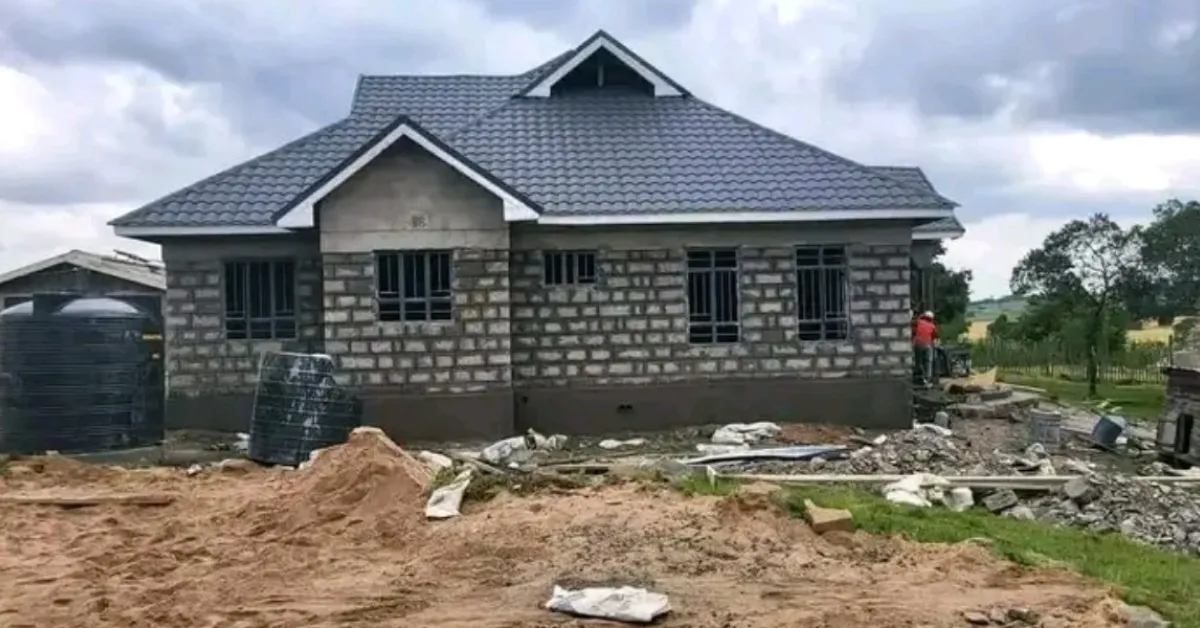
Skipping professional expertise in construction often leads to financial losses, structural failures, and halted projects.
The absence of key professionals such as quantity surveyors, engineers, and architects increases risks and costs throughout the lifecycle of a building.
Mutinda Mutuku, President of the Institute of Quantity Surveyors of Kenya (IQSK), explains that building collapses do not happen overnight. Instead, they result from ignored risks, unchecked costs, and lack of professional oversight.
Quantity surveyors, typically undervalued in favour of architects and contractors, are essential in managing finances and ensuring contractual fairness. According to Mutuku, their role is not to cut costs but to balance quality, durability, and sustainability with cost efficiency. Without their input, developers are more likely to face escalating expenses and costly disputes.
The risks extend beyond financial mismanagement. Florah Kamanja, an engineer and council member of the Institution of Engineers of Kenya (IEK), stresses that the success of any building relies on a coordinated team of specialists, including geotechnical, structural, electrical, and mechanical engineers.
Skipping soil investigations or making unapproved changes, such as adding extra floors without proper review, can lead to long-term structural problems, including cracks and subsidence. Kamanja adds that poorly designed mechanical and electrical systems are often an afterthought, but these systems are crucial to the building's safety and performance. Inadequate design can lead to fires or compromise structural integrity.
“Engineering costs are predictable. Failure costs are not,” she says, noting that saving money by bypassing experts often leads to far more expensive repairs later.
Architectural oversight is equally important. Brendah Gitonga, Vice Chair of the Architects Chapter (AAK), argues that engaging qualified architects is essential. Architecture is not simply about constructing walls; it involves designing spaces that are functional, safe, and suited to the local environment.
Poor designs can lead to unhealthy living conditions, such as poor ventilation or the use of unsafe materials, which contribute to what is known as “sick building syndrome.” A well-planned design, on the other hand, enhances health, reduces energy costs, and maintains long-term value.
In addition to surveyors, engineers, and architects, construction projects require the expertise of physical planners for zoning and approvals, contractors for coordination, and project managers to ensure compliance on site. Each professional brings accountability, reducing the likelihood of shortcuts that lead to costly and dangerous consequences.
The key takeaway is clear: cutting corners by avoiding professionals in construction rarely results in savings. Mutuku sums it up, saying, “Professional fees are small compared to the cost of failure. Skipping experts doesn’t eliminate costs; it only postpones and magnifies them.”



















Add new comment