
How H-1B Visa Holders Can Legally Stay in America After Job Loss
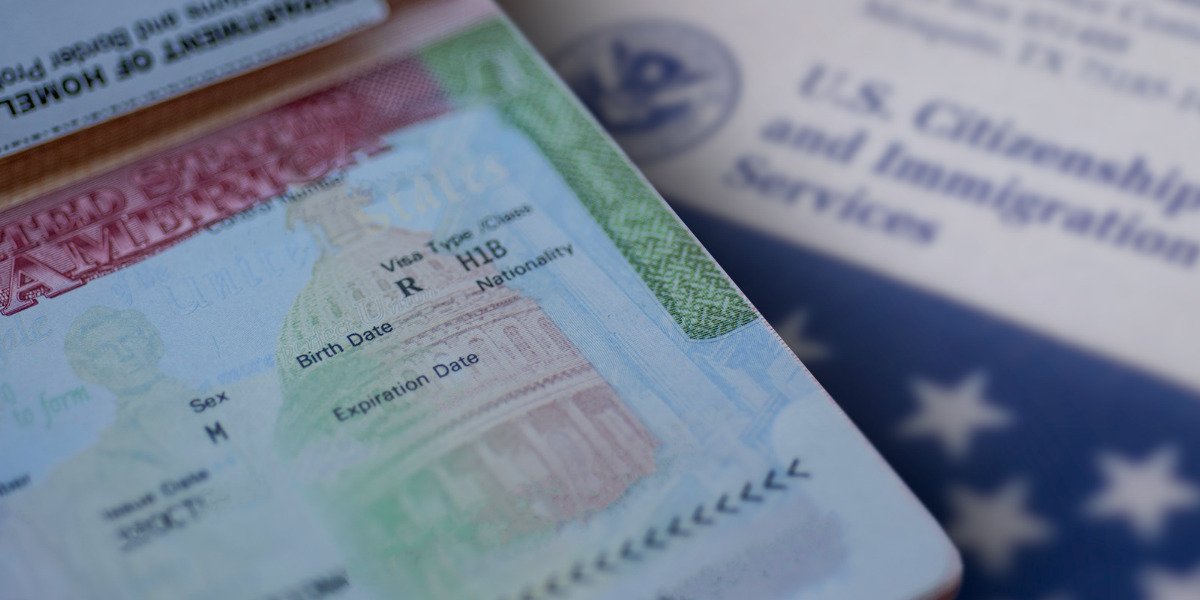
Foreign professionals employed under the United States’ H-1B visa programme are confronting strict deadlines to secure new work or leave the country after a wave of job cuts across major technology companies.
Thousands of roles have been eliminated in recent months, placing many visa holders at risk of losing both their employment and their legal status. Under US immigration rules, workers on H-1B visas have a 60-day grace period following the end of their employment to find a new sponsoring employer or change to another valid immigration status.
Immigration specialists stress that the timeline is firm. Aizada Marat, founder of Alma Immigration, said the 60-day period begins on the final day of employment. She noted that if a worker’s I-94 record expires before the end of the grace period, the permitted stay may be shorter. Those affected must either secure a new status within that time or depart the United States.
One option is to obtain sponsorship from another US employer. A new company may file a fresh H-1B petition on the worker’s behalf. Recent policy changes mean that new sponsors are not required to pay the $100,000 petition fee that has attracted criticism within the industry. The fee does not apply to individuals already in the United States under H-1B or F-1 status.
Some workers may seek to change to a dependent visa. Spouses of H-1B holders can apply for H-4 status. If the primary visa holder has an approved I-140 petition, the spouse may also apply for an H-4 Employment Authorisation Document, allowing them to work. This option can provide temporary stability while longer-term arrangements are made.
Another route is to request a change to visitor status by filing Form I-539. This allows individuals to move to B-1 (business visitor) or B-2 (tourist) status and remain in the country lawfully while seeking employment or organising their affairs. If a new employer later submits Form I-129, the individual may return to H-1B status without leaving the United States. Form I-539 is also used by students seeking reinstatement of F-1 or M-1 status.
The H-1B programme plays a central role in the US technology sector by enabling companies to recruit skilled workers from overseas. However, lay-offs expose the risks faced by employees whose right to remain in the country depends on their job.






Comments
No comments yet — be the first.