
Kenyan Truck Drivers in the US Struggle as Costs and Rules Tighten
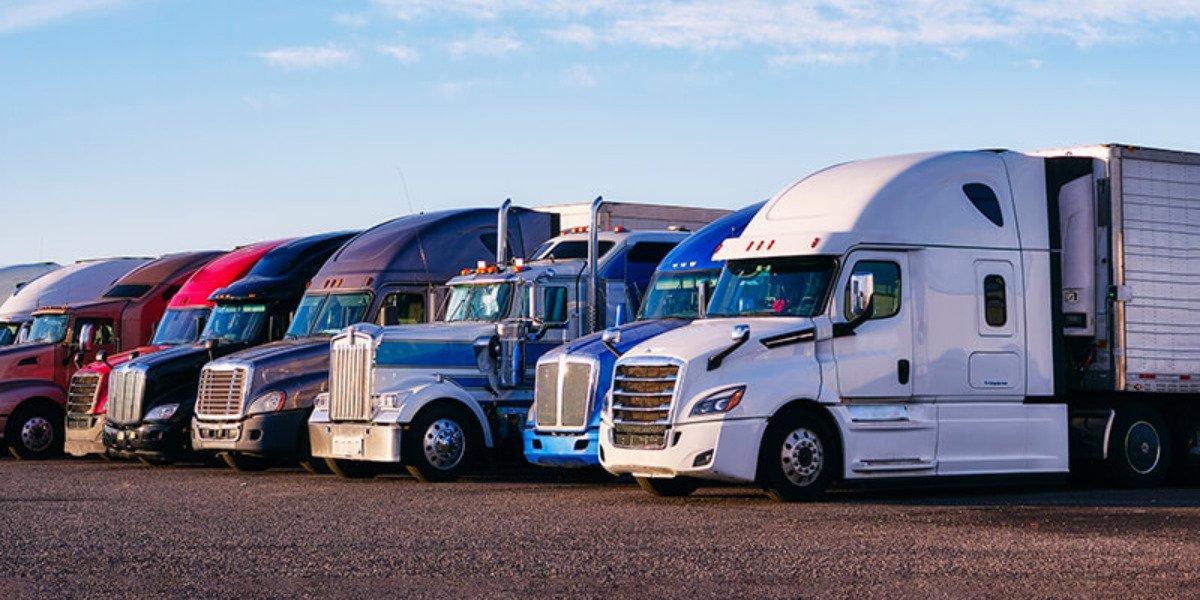
Kenyan truck drivers across the United States say rising costs and tightening regulations are making independent trucking increasingly difficult to sustain.
Insurance premiums have become the most immediate pressure point. Annual rates that once ranged from $12,000 to $15,000 for owner-operators have risen to as much as $30,000 in 2025, with some drivers paying more than $2,800 each month.
The exit of several insurers from the commercial trucking market has reduced competition and pushed prices higher, while younger drivers, especially those under 30, face the steepest increases, limiting their ability to enter the industry.
Regulatory demands have also intensified.
The Federal Motor Carrier Safety Administration has introduced stricter reviews of electronic logging devices, expanded drug and alcohol testing, and advanced proposals to require speed limiters. Fleet owners say these measures are cumulative and burdensome, and that even minor violations can temporarily remove vehicles from service.
Drivers report more frequent roadside inspections in states including Missouri, Indiana, and Georgia, adding delays and uncertainty to daily operations.
Fuel prices, though lower than the 2022 peak, remain high due to global supply constraints.
Maintenance bills have climbed sharply as well. Key parts such as brakes, tyres, and emissions components now cost far more than before the pandemic; a brake replacement that previously cost about $700 is now closer to $1,300, and tyre prices have risen from around $350 to $500. For independent operators, these increases further narrow already thin margins.
The combined financial and regulatory pressures have prompted many small operators to shut down. Kenyan drivers who once owned their trucks are increasingly moving to company driving roles, where employers cover compliance and maintenance costs.
Others have left long-haul trucking entirely for warehouse jobs or local delivery work that offers more predictable income. Many describe the current economics as unworkable.
Community groups in states with sizeable Kenyan trucking populations, such as Texas, Georgia, Minnesota, and Ohio, are responding by offering financial literacy workshops, joint planning sessions, and discussions on collective insurance options. Some fleet owners are exploring cooperative models to pool risk and negotiate lower premiums.
Analysts expect freight rates to improve by mid-2026, which could help restore profitability.





Comments
No comments yet — be the first.