
International Student OPT Program Should Be Abolished, Says FAIR
FAIR is intensifying its campaign to reshape two major US visa programmes, calling for strict limits on the H-1B system and the end of the Optional Practical Training scheme.
The organisation is backing the American Tech Workforce Act, introduced in September by Senator Jim Banks, which would set a $150,000 minimum salary for H-1B workers. Supporters say this requirement would restrict the programme to higher-paid, highly skilled roles.
The bill would also abolish OPT, which currently allows international graduates to work in the United States after completing their degrees. Advocates argue that these changes would reduce incentives for employers to choose lower-cost foreign labour over qualified US workers.
FAIR has also responded to a Department of Homeland Security notice of proposed rulemaking by urging the agency to replace the current random H-1B lottery with a more rigorous selection process. DHS has suggested giving priority to petitions with higher wage offers, but FAIR is pressing for additional measures.
Its recommendations include automatic adjustments to keep wage levels III and IV ahead of lower tiers, as well as expanded anti-fraud protections. The organisation continues to focus on the OPT programme, which it views as a source of unfair competition for recent American graduates.
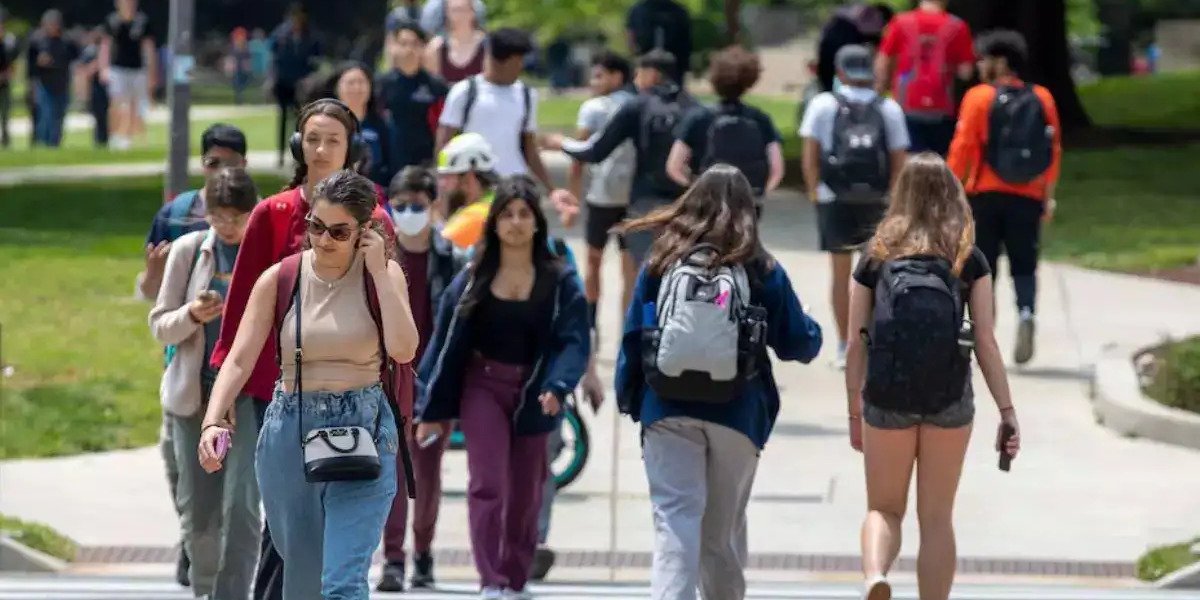
While DHS’s proposed changes centre on H-1B selection rules, FAIR has called for the complete termination of OPT, arguing that the scheme allows employers to cut labour costs at the expense of domestic workers. Ending OPT would have wide-ranging effects on technology employers and universities, which rely on the programme to recruit international students and recent graduates.
It could also reduce the appeal of US institutions for students seeking post-study work opportunities.




Comments
No comments yet — be the first.