
Trump Says He Wants Authority to Denaturalize Naturalized US Citizens
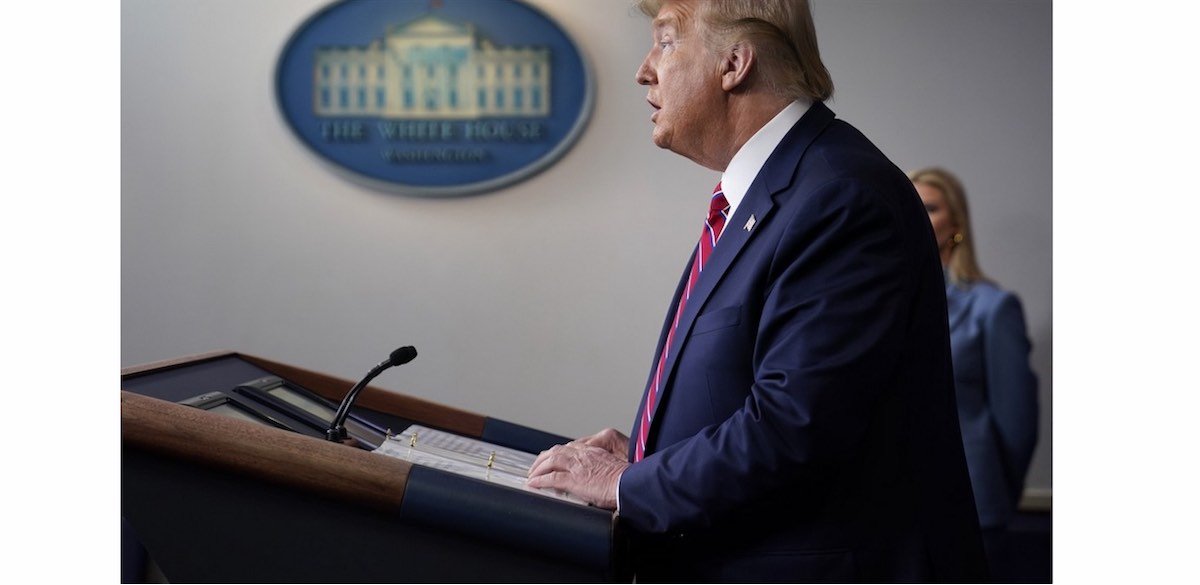
U.S. President Donald Trump told reporters on November 30, 2025, that his administration is exploring whether the government has the legal authority to revoke U.S. citizenship for immigrants convicted of crimes — and that, if possible, he would "absolutely" pursue denaturalization.
The comments came amid rising concern over a recent shooting involving an immigrant suspected of asylum abuse, which the president cited as justification for stronger immigration enforcement. “If I have the power to do it … I would denaturalize, absolutely,” Trump said aboard Air Force One, when asked about stripping naturalized citizens of their U.S. citizenship.
Under current U.S. law, citizenship obtained through naturalization can be revoked — a process called denaturalization — if it was acquired through fraud, willful misrepresentation, or concealment of material facts.
However, simply committing crimes after naturalization does not automatically qualify a person for denaturalization. Several immigration law experts and civil-rights advocates warn that applying denaturalization broadly on the basis of criminal convictions represents a sharp and legally controversial shift.
In a June 2025 memo, the U.S. Department of Justice (DOJ) instructed its Civil Division to “prioritize and maximally pursue denaturalization proceedings in all cases permitted by law and supported by evidence,” significantly expanding the categories under consideration — now including individuals accused of serious crimes, fraud, or national security threats.
The new approach has sparked unease within immigrant communities, especially among naturalized Americans who fear that denaturalization could become a political tool rather than a strictly legal remedy. Critics warn that the broad discretion now granted to DOJ prosecutors could lead to overreach, unfair targeting, and erosion of the security typically guaranteed by U.S. citizenship.
Moreover, polling data suggest that most Americans — including many Republicans — do not support giving the president or federal authorities the power to revoke citizenship, even in the case of criminal conviction.
Supporters of stricter denaturalization argue it’s necessary to safeguard national security and public safety — especially in the wake of violent crimes involving immigrants.
Opponents counter that the measure could create a two-tier system of citizenship, undermine trust among immigrant communities, and violate due process. They emphasize that legitimate denaturalization has historically been rare, reserved for cases involving fraud, war crimes or terrorism — not ordinary criminal offenses.
Legal challenges are expected if the administration attempts to redefine denaturalization to cover post-naturalization crimes.
Immigration law experts urge naturalized citizens to stay informed, keep documentation, and seek legal counsel if they believe their status might be targeted.
Advocacy and civil-rights groups are mobilizing to oppose broad denaturalization efforts, citing constitutional protections under the 14th Amendment.





Comments
No comments yet — be the first.