
How the Holy Communion Market Has Evolved into a Lucrative Business in Kenya
The communion supply industry in Kenya has experienced significant growth, driven by rising demand from expanding congregations and an evolving church landscape.
Holy Communion, a central ritual in Christian worship, has become the foundation for a thriving niche industry in Kenya. The market, which includes wafers, sacramental wine, and pre-packed communion kits, has grown steadily, supported by churches prioritising reliability and consistency over cost.
As congregations recover from pandemic restrictions, the demand for communion supplies has risen sharply, prompting suppliers to scale operations to meet the needs of a diversifying church community. Entrepreneurs have played a key role in the development of this market.
Pastor Moses Mwicigi, who founded Bethany House in Nairobi in 2014, identified a gap in the supply of communion elements for non-Catholic churches. What began as an informal service soon evolved into a registered business by 2019, supplying hundreds of churches across Kenya.
Bethany House now distributes close to 100,000 wafers weekly, along with grape juice, wine, trays, and cups sourced both locally and internationally. Mwicigi points to an increase in demand, particularly among younger congregants, as a driving force behind the growth.
He also notes that social media, particularly TikTok, has become an important platform for marketing and expanding visibility. The commercialisation of Holy Communion has faced some criticism, with concerns over the commodification of a sacred ritual.
Mwicigi addresses these concerns by emphasising the logistics and resources required to provide the supplies consistently and with dignity. He asserts that Bethany House takes a responsible approach, educating customers on proper usage and carefully selecting clients.
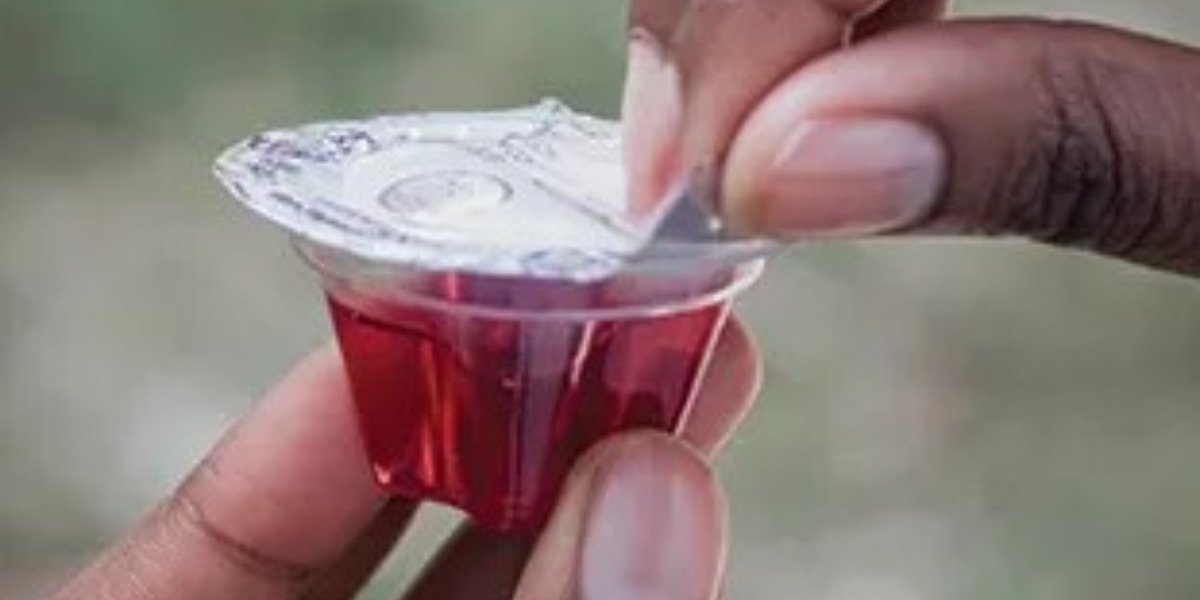
A similar venture, Holy Communion Elements, was established by Mugo Keiyoro, a former ship captain, in response to hygiene concerns during the pandemic. Keiyoro developed single-serving communion cups that combine wafer and juice or wine in a sealed unit.
Despite initial scepticism, the product gained popularity during the pandemic as churches sought safer alternatives for administering communion. Keiyoro’s business has since expanded significantly, producing around 30,000 cups weekly, which are supplied to nearly 2,000 churches across Kenya and other countries including Uganda, Zambia, Ghana, and South Africa.
Keiyoro distinguishes his company’s role as a producer of communion elements rather than a consecrator. He believes that pre-packed communion is a practice that will continue to grow in acceptance, without altering the fundamental meaning of the sacrament.






Comments
No comments yet — be the first.