
Naivasha–Kisumu SGR Cleared for Funding Under Revised Cabinet Strategy
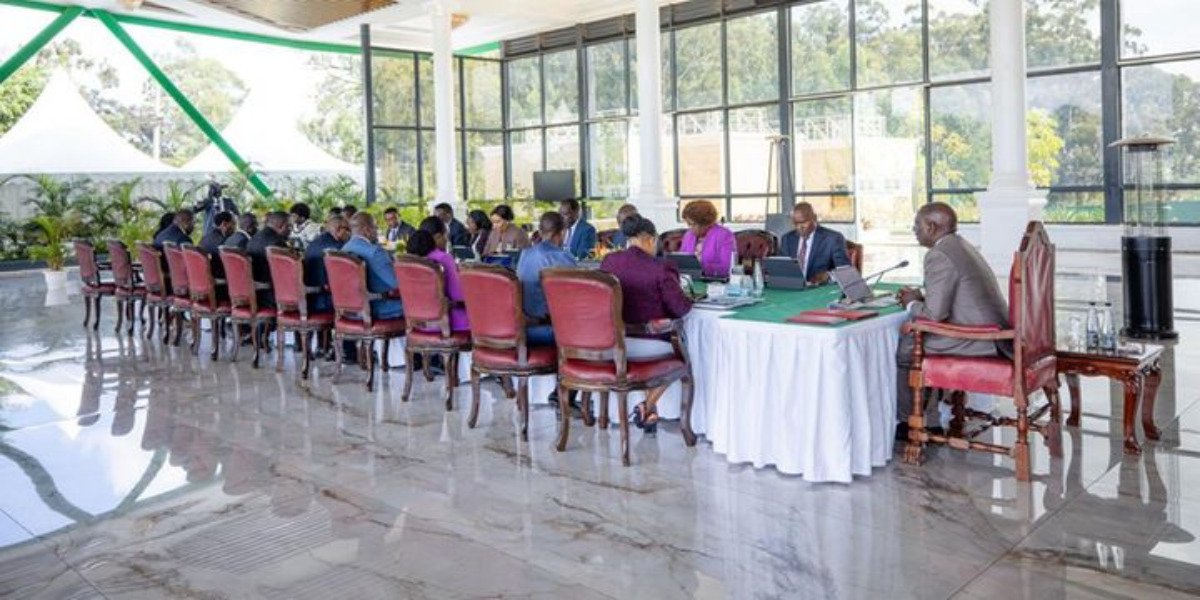
Kenya's Cabinet has approved a new financing model aimed at accelerating key transport and energy projects, shifting away from a debt-reliant approach to one that prioritises private sector involvement.
This framework is designed to address the challenges of high upfront costs and improve the delivery of major infrastructure, including the stalled Naivasha–Kisumu Standard Gauge Railway (SGR). The new financing model is set to unlock funding for Phase 2B of the SGR project, which includes a proposed extension into Uganda and the development of Nairobi Railway City Central Station.
The government envisions these projects as central to regional integration, economic growth, and improved transport connectivity. Plans for urban mobility, including Bus Rapid Transit (BRT) corridors, commuter rail services, and non-motorised transport networks, are also part of the broader infrastructure push aimed at easing congestion in Kenya’s cities.
By introducing private capital into these ventures, the Cabinet aims to ease the financial burden on public funds, while ensuring quicker implementation and better oversight. The government expects this model to reduce risks, improve value for money, and make projects more sustainable in the long term.
This shift in funding strategy is especially important given Kenya’s growing debt obligations, which have limited the government’s fiscal capacity for new investments. In addition to transport, the Cabinet has approved two significant energy policies.
The National Energy Policy aims to improve electricity access, reduce reliance on biomass, and enhance supply reliability through increased renewable energy generation and greater private sector participation. The National Petroleum Policy, updated for the first time in over 20 years, seeks to attract investment and strengthen sector governance, with a focus on promoting liquefied petroleum gas (LPG) as a cleaner alternative to traditional fuels.
These reforms are framed within President William Ruto's broader Sh5 trillion development agenda, which includes the creation of a National Infrastructure Fund. The Fund, a limited liability company, is designed to pool proceeds from the privatisation of state-owned enterprises and ensure that these funds are used exclusively for infrastructure projects, rather than general government expenditure.
The Sovereign Wealth Fund Policy will also manage revenues from natural resources to build a financial buffer for future generations. Speaking in Kiambu County, President Ruto stressed that the Infrastructure Fund would be a key driver of Kenya’s transformation into a developed nation.




Comments
No comments yet — be the first.