
Ida Odinga Explains Why She Accepted President Ruto’s UNEP Appointment
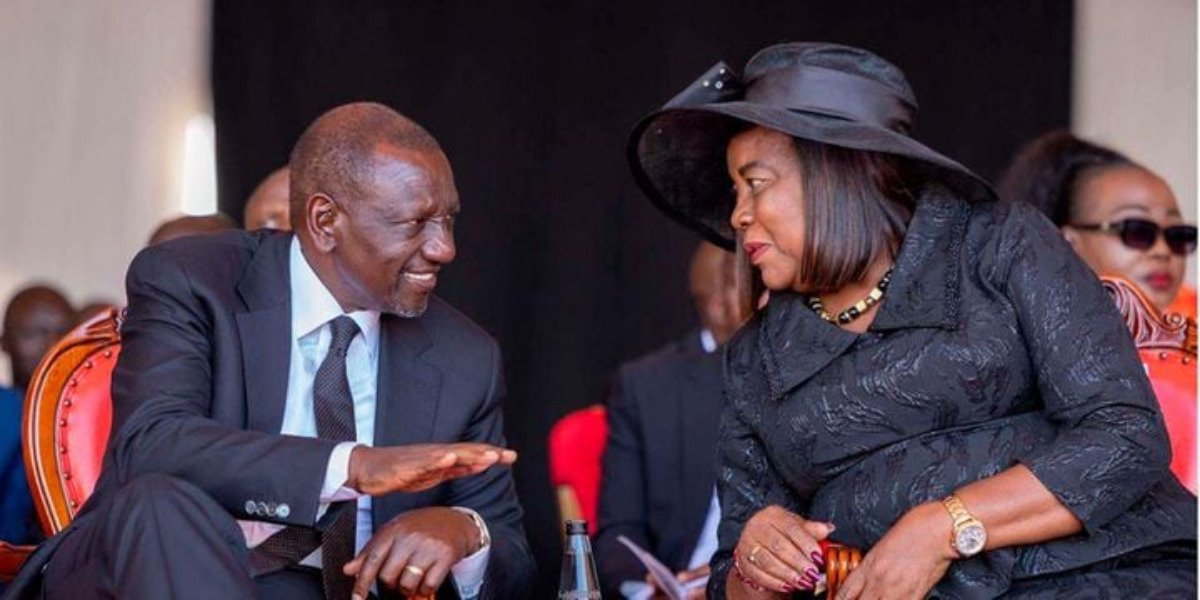
Ida Odinga has rejected criticism of her appointment as Kenya’s Ambassador and Permanent Representative to the United Nations Environment Programme (UNEP), insisting that she will not be intimidated by political pressure.
Speaking on Sunday at the inauguration of the PEFA Cathedral Church in Nairobi, Odinga framed the role as both an honour and a spiritual calling, quoting Psalm 23 to affirm her resolve. “No one will intimidate me. No one will frighten me because the Lord is my shepherd,” she said, addressing the congregation.
Her remarks come amid growing debate within the Orange Democratic Movement (ODM) and the broader Opposition, where some leaders have questioned the appropriateness of her appointment. Vihiga Senator and ODM deputy party leader Godfrey Osotsi suggested that the UNEP position was beneath her, urging her to decline the offer.
Cleophas Malala, deputy leader of the Democracy for Citizens Party, similarly criticised the nomination, arguing that empowering ordinary women should take precedence over high-profile appointments. Despite the criticism, Odinga has received support from other quarters.
ODM youth leader Brian Omondi Midiwo expressed backing for her nomination, describing it as a step towards greater inclusion of women and youth in public service. Roysambu MP Kamanda Mwafrika also endorsed her, asserting that she was highly qualified for the international role.
The party is divided over its future course, with some calling for a National Delegates Congress to elect new leaders. At a separate service in Kawangware, Siaya Governor James Orengo warned that attempts to remove Edwin Sifuna as Secretary-General could destabilise the party, a move he described as potentially fatal for ODM.
Orengo also clarified Raila Odinga’s political legacy, stating that his agreement with President William Ruto centred on a ten-point agenda to ease the cost of living, not on coalition-building. He emphasised that Raila prioritised the rights of Kenyans, and that any coalition discussions would follow only after those commitments were met.




Comments
No comments yet — be the first.