
How Kenya Is Managing Public Finances After Ruto Rejected the Finance Bill
Kenya's public finances have been strained after President William Ruto rejected the Finance Bill in mid-2024, forcing the government to find new ways to manage essential services and debt obligations without the expected Sh346 billion in new revenue.
The decision came amid mass protests led by young Kenyans, calling for reforms to taxation and governance. On 25 June, demonstrators breached the gates of Parliament, a stark display of public anger. In response, President Ruto ordered immediate spending cuts across government, including reductions to the Executive’s own budget, signalling the severity of the fiscal situation.
Austerity Measures and Economic Challenges
In the wake of the Finance Bill's rejection, the National Treasury implemented austerity measures, directing accounting officers to cut expenditure by 15 percent. However, the practicality of these measures soon faced criticism, with concerns that they could disrupt essential services.
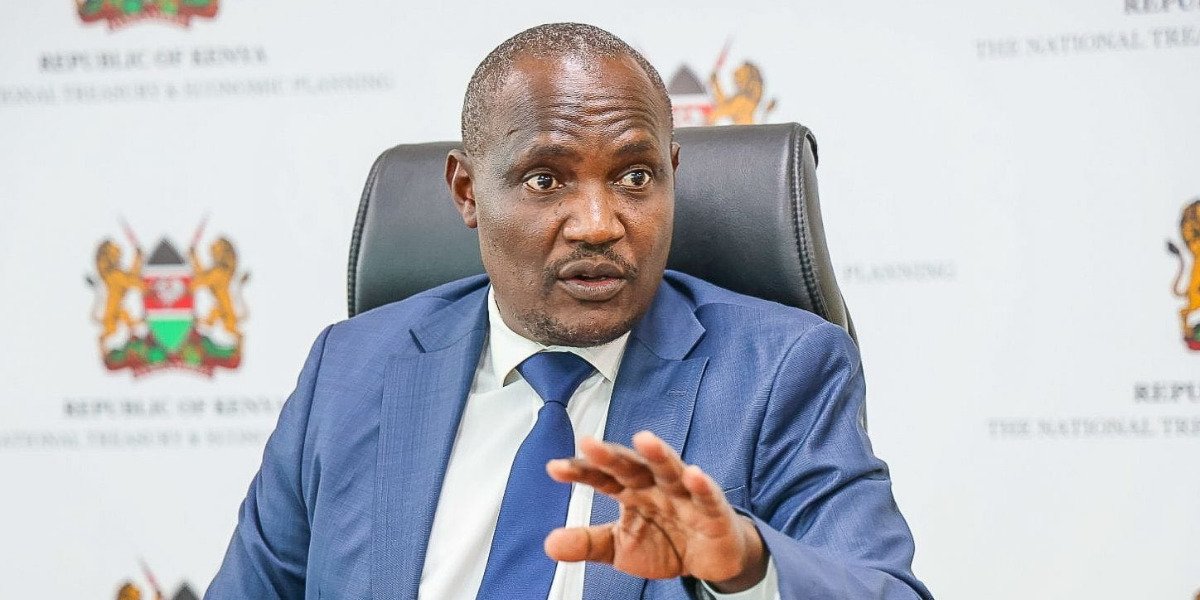
Treasury Cabinet Secretary John Mbadi described 2024 as an exceptionally difficult year, citing rising debt repayments, wage agreements, and the challenge of maintaining public services amidst growing opposition to new taxes. The repayment of a Eurobond presented one of the most urgent issues, pushing the country close to default. In response, the government issued a new Eurobond, buying time but highlighting the fragility of Kenya’s debt position.
Fiscal Reforms and Economic Recovery
Although the Finance Bill was rejected, the government worked to reintroduce some of its elements, including proposals to reduce tax expenditures and extend tax amnesty. Improved communication efforts were also launched in a bid to rebuild public trust.
Key interventions in sectors like construction and mining helped stimulate economic recovery. Pending bills in construction were cleared, contributing to a growth rate increase from 2.9 percent to 10 percent. In mining, output rebounded from a -2.9 percent contraction to a positive growth of 5 percent. Furthermore, lower interest rates in the banking sector provided opportunities for cheaper borrowing, supporting broader economic activity.
By the end of 2025, the government had cleared Sh70 billion in verified pending bills, with plans to settle the remainder before the year's end. Officials argued that this would boost liquidity in the economy, encouraging consumption and recovery.
A New Budget Approach
For the 2025/2026 financial year, the government introduced a zero-based budgeting system. This required each department to justify every expenditure, rather than relying on previous budget allocations. Mbadi explained that the aim was to improve transparency, enhance efficiency, and rebuild confidence in the budgeting process.
The new approach is a response to previous criticisms that past budgets were unrealistic and overly ambitious. By focusing on national priorities and available resources, the government seeks to align spending with what is feasible, rather than what was planned in prior years.
Although Kenya's fiscal challenges remain, the government remains optimistic. With debt risks managed, pending bills addressed, and reforms in progress, Treasury officials are hopeful for a more stable financial situation in 2026. Mbadi expressed confidence, saying, “We are looking at a promising 2026; our finances are looking good from where I sit.”




Comments
No comments yet — be the first.