
Why US-Based Kenyans Often Miss Festive Season Reunions
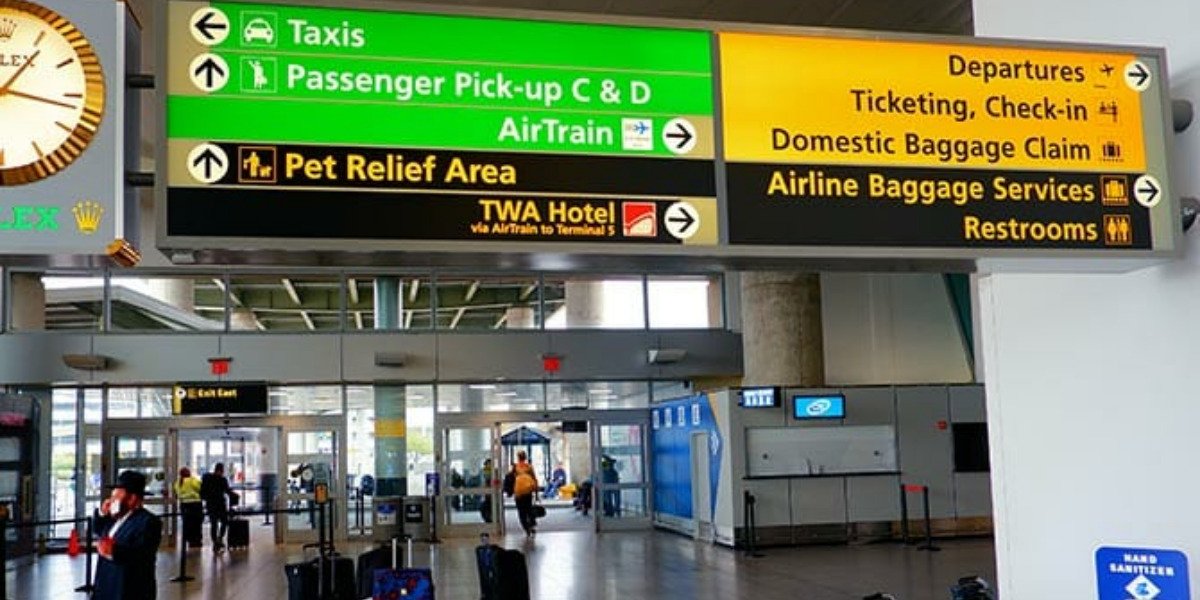
Many Kenyans living in the United States are unable to return home during the December festive season due to high travel costs, immigration restrictions and personal circumstances that make international travel difficult or risky.
Air travel between the US and Kenya during the holiday period is often prohibitively expensive. A return ticket from New York to Nairobi on Kenya Airways can cost more than $2,500 (Sh323,000), while indirect routes on airlines such as Ethiopian Airlines or RwandAir typically exceed $2,000 (Sh258,000).
For families travelling together, costs rise sharply. A household of four may spend up to $10,000 on flights alone, excluding accommodation, transport and daily expenses. A two-week visit can therefore cost close to $15,000 (Sh2 million), placing such trips beyond the reach of many diaspora families.
Immigration status is another major barrier. According to Professor Kefa Otiso of Bowling Green State University, a significant number of Kenyans in the US do not have secure documentation. Leaving the country while out of status can result in permanent denial of re-entry. For those with immediate family members in the US, the risk of being separated indefinitely is a strong deterrent to travel.
Personal and social factors also influence decisions to stay away. Some Kenyans report strained family relationships at home, which make visits emotionally difficult. Others have lived in the US for decades and feel less connected to Kenya. Professor Otiso notes that some individuals now identify primarily as Americans and see little reason to return. Older members of the diaspora may also face health challenges or lack close relatives to visit.
Political developments in the US have added further uncertainty. Professor Eric Otenyo of Northern Arizona University points to restrictive immigration policies introduced during the Trump administration, including travel bans and the withdrawal of Temporary Protected Status for certain groups. These measures have complicated efforts by some Kenyans to regularise their status and have discouraged international travel.
The experience of the late writer Ngugi wa Thiong’o illustrates how prolonged absence can become permanent. Forced into exile for political reasons, he spent much of his life abroad and did not return to live in Kenya. His case reflects how migration, whether voluntary or forced, can result in long-term separation from one’s country of origin.
Communication consultant Mukurima Muriuki, who is based in Los Angeles, emphasises that the diaspora is not a single, uniform group. Some Kenyans fully integrate into American society, while others left Kenya as refugees and remain cautious about returning. Each decision is shaped by individual circumstances.
While December remains a period of family gatherings in Kenya, the absence of many diaspora members reflects the realities of migration. High costs, legal insecurity and personal constraints continue to limit mobility, making return visits difficult for many Kenyans living abroad.



Comments
No comments yet — be the first.