
Why 2026 Could Decide the Fate of Shakahola Preacher Paul Mackenzie
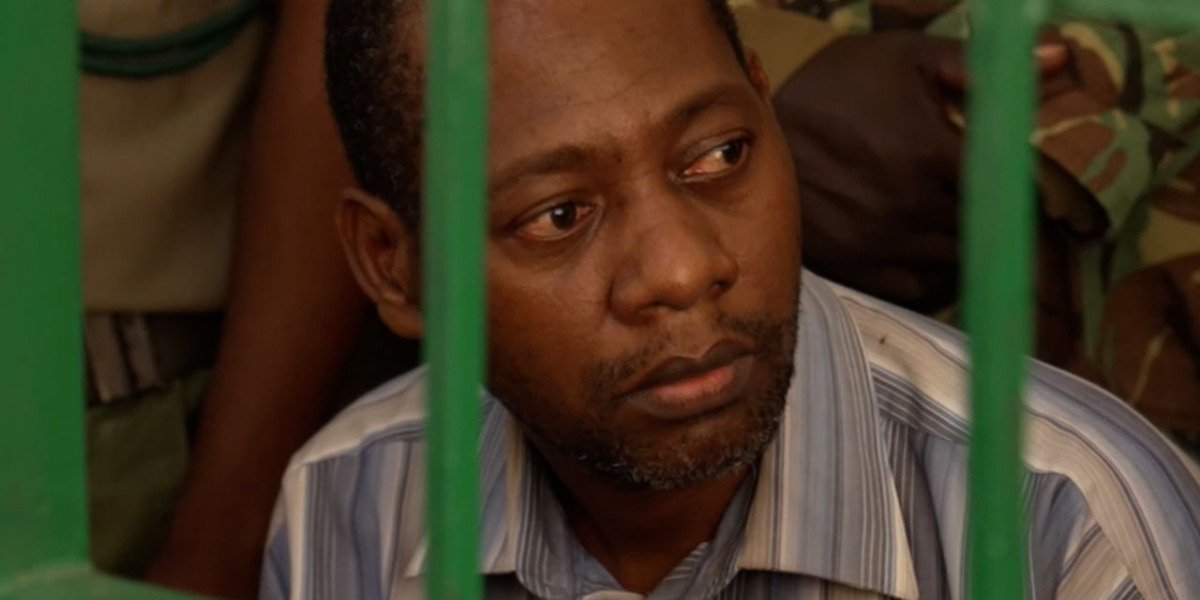
Kenyan courts are preparing to decide whether preacher Paul Mackenzie and 95 co-accused will be put on their defence over the Shakahola deaths, after prosecutors closed their cases linked to the killing of at least 450 followers.
Nearly three years after mass graves were discovered in the Shakahola forest in Kilifi County, the justice system has reached a critical stage in one of the country’s most serious criminal cases. Prosecutors have completed the presentation of evidence in two major trials connected to the deaths, leaving the courts to determine whether the accused bear criminal responsibility.
At the Shanzu court, the State last week formally closed its case after calling 96 witnesses and presenting close to 500 exhibits. The trial, which began in July 2024, centres on allegations of radicalisation, organised violence and ideological control within the now-banned Good News International (GNI) church.
Related cases involving child neglect, torture and denial of education were heard separately at the Tononoka Children’s Court, where prosecutors have also concluded their evidence. The final witness in the Shanzu case, Chief Inspector Raphael Wanjohi, described how Mackenzie allegedly reshaped his church over more than a decade into a tightly controlled movement.
According to his testimony, extreme interpretations of Christian scripture were used to justify suffering and present death by starvation as a form of spiritual fulfilment. Former pastors and former members supported this account, telling the court that deprivation was treated as obedience and funerals were conducted as celebratory events.
Investigators said Mackenzie relied extensively on digital platforms to spread and reinforce his teachings. After his Times Television channel was shut down in 2019 for extremist content, he is alleged to have continued preaching through YouTube, religious seminars, revival meetings and closed messaging groups. Witnesses told the court that these channels helped extend the ideology beyond Kilifi and maintain strict control over followers.
Prosecutors argued that between 2020 and 2023 the church leadership deliberately isolated members from wider society. Followers were instructed to reject formal education, healthcare and government services, and parents were encouraged to withdraw their children from school. Many families were persuaded to relocate to the Shakahola forest under false pretences, often misleading relatives about their whereabouts. Once there, members adopted new names, which investigators said hindered identification of victims and suspects.
Evidence presented to the court described Shakahola as a structured settlement covering about 480 acres of land acquired by Mackenzie. The land was divided into villages with biblical names and governed by a strict hierarchy. Prosecutors outlined a command system with Mackenzie at the top, supported by deputies, enforcers, cooks and individuals assigned to dig graves and dispose of bodies. Witnesses testified that Mackenzie personally supervised some burials.
Although 450 bodies have been exhumed, investigators warned that the full number of deaths may never be known. Medical and forensic reports submitted to the court linked most deaths to starvation, dehydration and related complications. Pathologists testified that the victims died within the forest, countering claims that the deaths occurred elsewhere or were due to natural causes.
The prosecution also presented evidence suggesting that the deaths followed a planned sequence, with children dying first, followed by women and then men, while Mackenzie and his family were expected to be last. Witnesses said that while early fasting was voluntary, it later became compulsory and was enforced by guards who punished those who resisted. Statements from 28 rescued children described forced starvation and psychological abuse, contradicting Mackenzie’s claim that participation was a personal choice.
DNA evidence presented in court showed close family relationships between many of the accused and deceased children. Investigators said entire families were wiped out in some cases. Financial records, handwritten lists of children and religious materials recovered from the forest were also submitted as exhibits.
Experts in counter-terrorism and theology testified that Mackenzie selectively distorted biblical texts to justify rejecting education, healthcare and social interaction. One investigator, Alfred Mwatika, told the court that the teachings displayed features of extremist violence, conditioning followers to see schools and hospitals as corrupt influences. At its peak, the GNI was said to have operated more than two dozen branches across Kenya before being declared a criminal organisation in January 2024.


Comments
No comments yet — be the first.