
NASA's Lunar Ambitions Heat Up Global Space Race with China
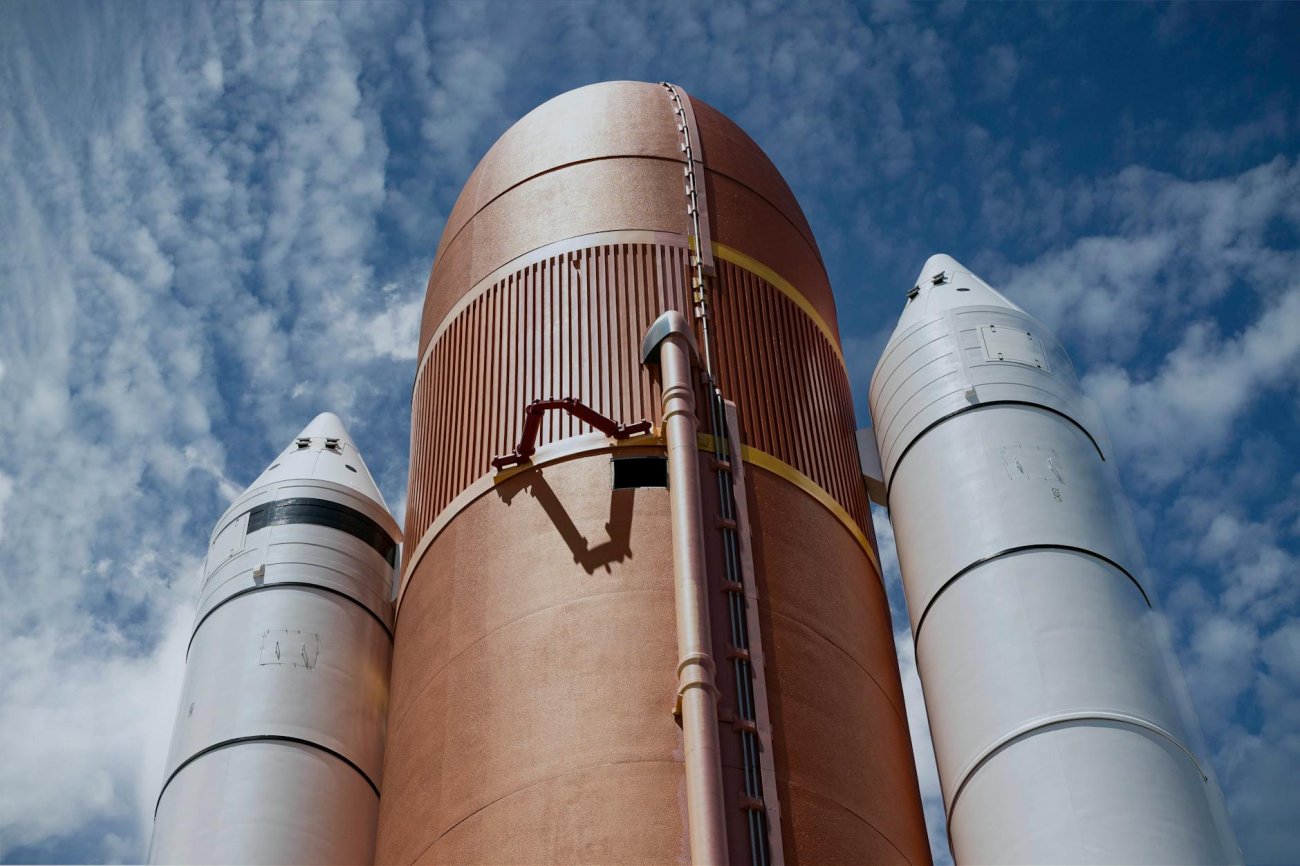
NASA’s renewed focus on lunar exploration is intensifying the global space race, particularly with China, as both nations vie for technological and strategic superiority beyond Earth's orbit. The United States is investing significant resources into its Artemis program, aiming not only to return humans to the Moon but also to establish a sustainable presence there by the end of the decade. This initiative is seen as a pivotal step toward the even more ambitious goal of reaching Mars.
The Artemis program, supported with a $24 billion budget for 2026, seeks to land the first woman and the next man on the lunar south pole, a region that could potentially harbor water ice—a crucial resource for sustaining future human habitation and fuel production. NASA Administrator Bill Nelson has emphasized the strategic importance of these missions, stating, "The Moon is not just a destination, but a stepping stone to the rest of the solar system, including Mars." This sentiment echoes the growing consensus among space-faring nations about the Moon’s role as a critical launchpad for deep space exploration.
China, meanwhile, has accelerated its own lunar program, with the Chang'e missions achieving significant milestones, such as the first landing on the far side of the Moon in 2019. China's National Space Administration (CNSA) is planning further missions, aiming to establish a lunar research station by the early 2030s. The strategic rivalry is underscored by Beijing's stated goal to become a leading space power by 2045, a timeline that aligns with its broader geopolitical aspirations.
Internationally, the race to the Moon is being closely monitored, with implications that stretch beyond national pride. Experts suggest this competition could spur advancements in technology and provide economic opportunities not only for participating nations but also for developing countries. The global space economy, currently valued at approximately $469 billion, is projected to grow significantly, opening avenues for international collaboration and investment.
However, there are concerns about the potential for conflict over lunar resources and territory. The Outer Space Treaty of 1967, to which the U.S., China, and over 100 other nations are signatories, prohibits national claims of sovereignty over celestial bodies. Yet, as countries lay the groundwork for lunar operations, the adequacy of existing space laws is being questioned. U.S. Secretary of State Marco Rubio has called for "clear international guidelines" to manage lunar activities, emphasizing cooperation over competition.
The involvement of commercial entities, such as SpaceX and Blue Origin, further complicates the landscape, as these companies seek lucrative contracts for transporting cargo and crew to lunar destinations. Elon Musk, CEO of SpaceX, has been vocal about the potential of private-public partnerships in space exploration, saying, "Working alongside NASA, we can achieve things that were once thought impossible."
As the U.S. and China continue to forge ahead with their respective lunar agendas, the outcomes of these missions will likely influence global space policies and alliances. The broader implications for Africa and other developing regions include opportunities to engage in space science and technology, enhancing education and economic development through partnerships with more advanced space programs.






Comments
No comments yet — be the first.