
US Supreme Court Allows Border Officials to Detain Returning Green Card Holders Over Pending Charges
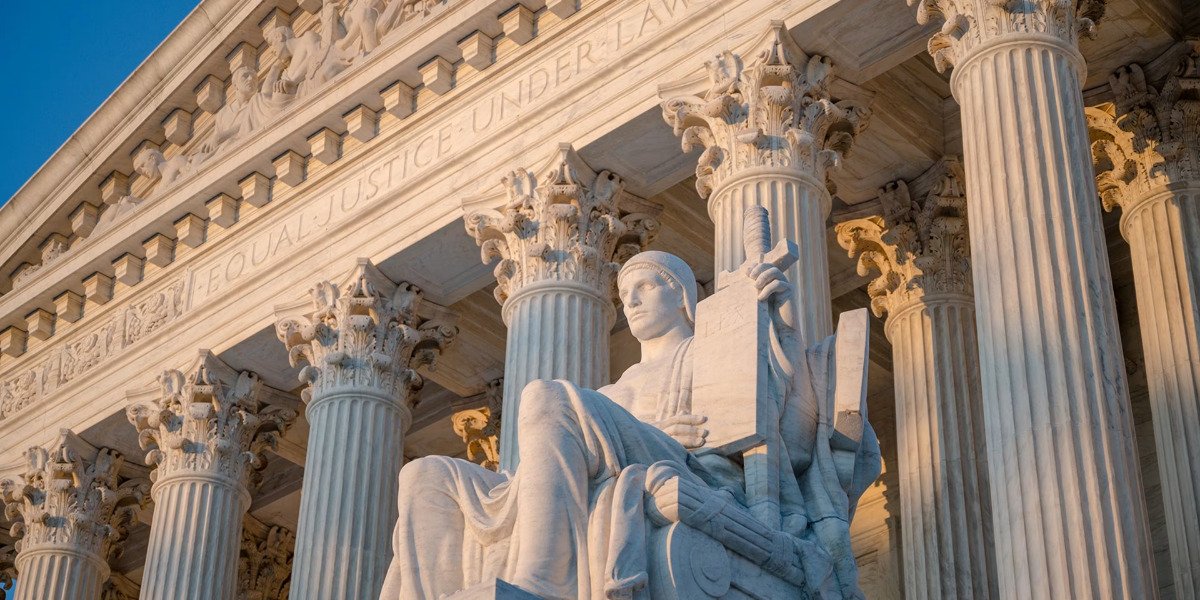
The US Supreme Court has ruled that immigration officials may treat returning green card holders facing criminal charges as applicants for admission when they re-enter the country, even if they have not been convicted.
In a 6–3 decision, the Court sided with the Trump administration and expanded the government's authority to scrutinise lawful permanent residents at the border. The ruling allows immigration officers to rely on pending criminal charges when deciding whether a returning resident should be admitted to the United States.
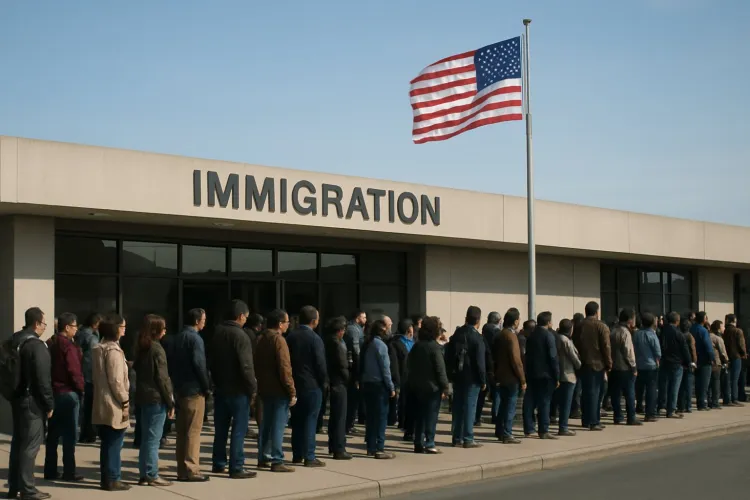
The case involved Muk Choi Lau, a Chinese national who became a lawful permanent resident in 2007. In 2012, he was charged in New Jersey with trademark counterfeiting. Soon afterwards, he travelled to China and sought to return to the United States through John F. Kennedy International Airport.
Instead of being admitted as a returning resident, Lau was placed on immigration parole by border officials because of the unresolved criminal charge. He later pleaded guilty and received a probationary sentence. The Department of Homeland Security subsequently began removal proceedings, arguing that his offence qualified as a crime involving moral turpitude.
Lau challenged the government's actions, maintaining that he should not have been treated as inadmissible when he returned because he had not yet been convicted. The Second Circuit Court of Appeals agreed, finding that immigration authorities did not have sufficient evidence to deny him admission. The Supreme Court has now reversed that decision.
Writing for the majority, Justice Clarence Thomas said border officials are not required to prove “by clear and convincing evidence” that a crime has been committed before placing a lawful permanent resident on parole. The ruling means immigration officers may act on pending criminal charges when determining how returning residents are processed at the border.
In a dissenting opinion, Justice Ketanji Brown Jackson, joined by Justices Sonia Sotomayor and Elena Kagan, argued that the decision gives the government broad discretion to place lawful permanent residents in what she described as “immigration limbo” based solely on allegations.
She said the ruling could weaken due process protections by exposing individuals to possible deportation before any finding of guilt. The decision has important implications for green card holders who travel abroad while facing criminal proceedings.
It allows immigration authorities to classify them as applicants for admission when they return, potentially making them subject to removal if they are later convicted of offences considered inadmissible under immigration law.
The case comes as the Supreme Court considers several other major disputes connected to the Trump administration's immigration policies, including cases involving asylum, birthright citizenship and temporary protections for migrants.





Comments
No comments yet — be the first.