
Israel-Palestine Tensions Escalate as Violence Continues in Gaza
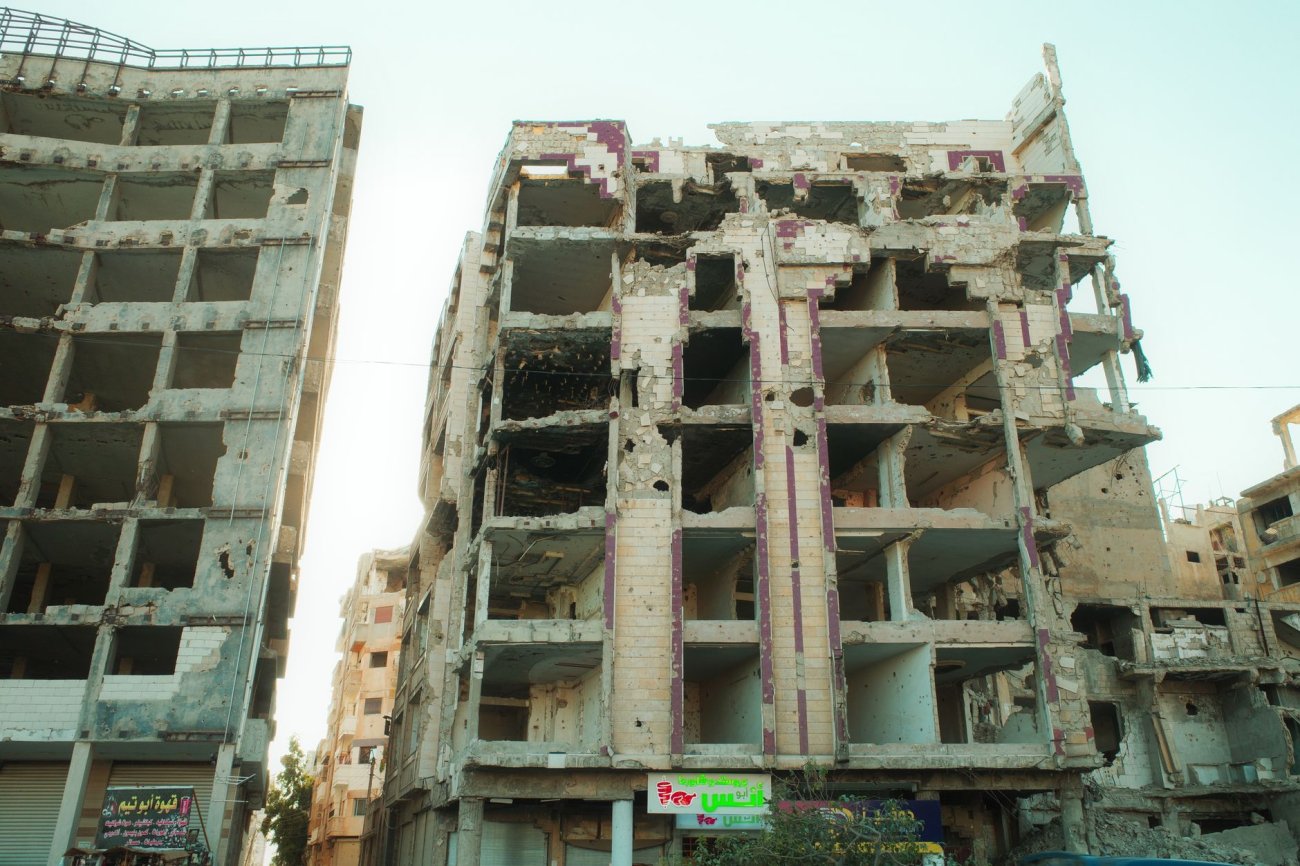
In a continuing cycle of violence, Israeli forces have killed three Palestinians in Gaza amid ongoing tensions over access to holy sites in Jerusalem. The fatalities occurred during confrontations in which Israeli troops reportedly opened fire, citing security threats as the justification for their actions. The recent escalation adds to the longstanding Israeli-Palestinian conflict, which has been marked by intermittent outbreaks of violence and diplomatic stalemates.
In Jerusalem, Israeli authorities have imposed restrictions on Palestinian worshippers at the Al-Aqsa Mosque, one of Islam's holiest sites, during a period of significant religious observance. These measures have sparked protests and heightened tensions, which have been exacerbated by the blocking of the call to prayer at the Ibrahimi Mosque in Hebron. Israeli officials state that the restrictions are necessary for security, with Prime Minister Benjamin Netanyahu reiterating that "Israel will continue to ensure the safety of all worshippers while upholding law and order."
The violence has drawn international condemnation, with the United Nations expressing concern over the deteriorating situation. "We urge all parties to exercise maximum restraint and avoid actions that could further inflame tensions," said United Nations Secretary-General António Guterres. The international community has long called for a two-state solution to the conflict, though progress remains elusive.
The ongoing violence has significant implications for regional stability in the Middle East and beyond. Human rights organizations have criticized both sides for actions they claim violate international law, including the use of excessive force by Israeli military and rocket attacks by Palestinian militants. The recent deaths in Gaza are likely to fuel further unrest, compounding already fraught humanitarian conditions in the territory.
Palestinian officials have decried the actions as provocative, with Palestinian Authority President Mahmoud Abbas calling for international intervention. "The world cannot remain silent in the face of continued aggression against our people," Abbas said in a statement. The Palestinian leadership continues to seek support from the international community to pressure Israel to lift restrictions and resume peace negotiations.
This latest surge in violence raises concerns about the broader geopolitical implications, particularly regarding the Middle East peace process. The United States, traditionally a key player in brokering peace talks, has maintained a cautious stance. U.S. Secretary of State Marco Rubio has emphasized the need for de-escalation, stating, "We call on all sides to refrain from steps that increase tensions and work towards constructive dialogue."
The conflict also holds potential economic repercussions, particularly for developing nations reliant on Middle Eastern oil. Heightened instability in the region often impacts global oil prices, influencing economic conditions worldwide. The uncertainty underscores the interconnectedness of geopolitical conflicts and economic stability, highlighting the need for sustained diplomatic efforts to resolve longstanding disputes.





Comments
No comments yet — be the first.