
Kenyan Families Targeted by ‘Death Brokers’ Promising Millions in Russia-Ukraine War Compensation
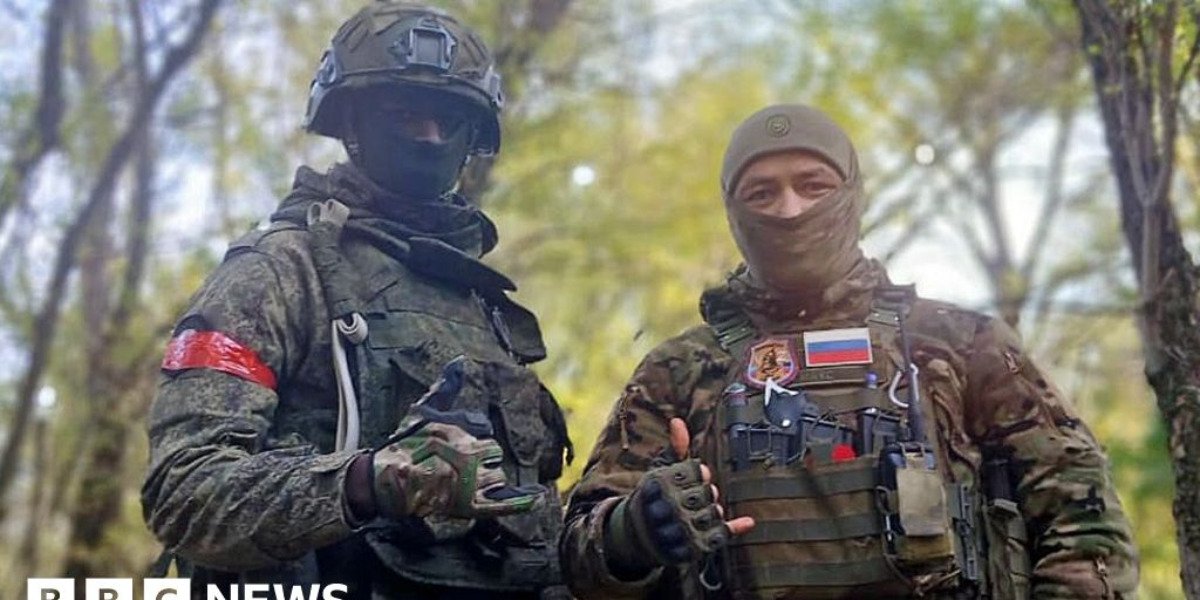
Kenyan families seeking information about relatives recruited to fight for Russia in Ukraine are being approached by intermediaries offering large compensation payments, despite providing little evidence of official authority.
Nelly Wambui has not heard from her son since November 2025. Like other affected families, she was contacted by a Russian intermediary known as Alexey or Alex, who claimed he could secure payments of up to $150,000 within months.
Families were told they would need to provide sensitive personal documents and DNA samples and, in some cases, travel to Moscow. However, Alex provided no verifiable credentials, official authorisation or direct communication from Russia’s Defence Ministry.
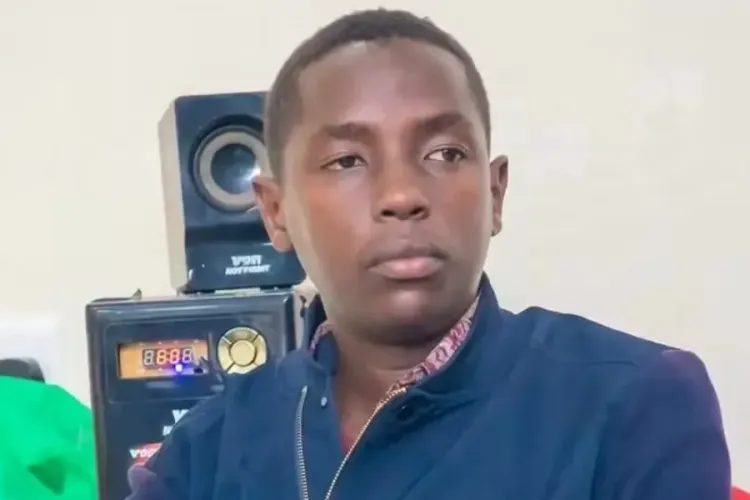
Kenyan intermediary Kelvin Ochieng claimed that Alex was a commander in Russia, but provided no evidence of his rank or authority. The operation involves about 100 families organised in Nairobi. If each case resulted in the maximum payment, Alex could potentially earn millions of dollars in commissions.
Kenyan intermediaries, including Ochieng and a woman identified only as Winnie, have encouraged families to submit documents and make arrangements that could involve significant costs. Some relatives were also told that prisoners of war could be released in exchange for payments of millions of shillings.
Ukraine has warned against unauthorised dealings of this kind. The network is not limited to Alex. Festus Arasa Omwamba, who is facing charges in Kenya over allegations that he trafficked Kenyan citizens to Russia under false pretences, has also been linked to efforts to organise affected families and connect them with Russian contacts.
In one case, a man identified as Sasha said compensation would be paid in cryptocurrency. Another intermediary, Igor, claimed to represent a Moscow-based company offering payments of between Sh10 million and Sh15 million. None of the figures was supported by official documentation, and the intermediaries discouraged families from discussing the arrangements publicly.
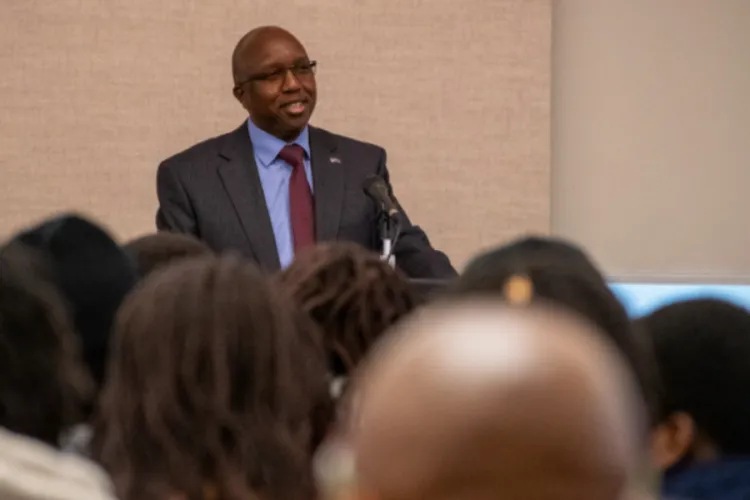
The Kenyan government has acknowledged shortcomings in its handling of the cases. In July, Roseline Njogu, the Principal Secretary for diaspora affairs, said officials had failed to provide timely information and remained dependent on Moscow to confirm the status of recruits.
Njogu said some compensation procedures had begun but did not provide details of the rules governing the payments or when families could expect them. Relatives remain dissatisfied with the response. Family spokesperson Peter Kamau said they would continue seeking justice through all available channels, including petitions to the Senate.
Russia's legal framework requires documentary proof of death or a court ruling declaring a missing soldier dead before compensation can be approved. Since 2023, Russian courts have expedited some cases involving missing soldiers, but the process remains bureaucratic and difficult for families to navigate.
The lack of clear official guidance has left families vulnerable to intermediaries offering to secure compensation or arrange the release of prisoners of war.
Other governments have taken a more direct approach. India's Supreme Court recently ordered the Ministry of External Affairs to appoint officials to assist families of Indian nationals killed or missing in Russia's war, so that relatives do not have to manage the process without government support.
In Kenya, families continue to wait for confirmation of whether their relatives are alive, detained or dead. For Wambui and others in similar circumstances, the absence of clear procedures from Nairobi and Moscow has left them dependent on intermediaries whose claims and authority remain unverified.




Comments
No comments yet — be the first.