
Russia-Ukraine War: The Fate of Kenyans Captured Fighting for Russia
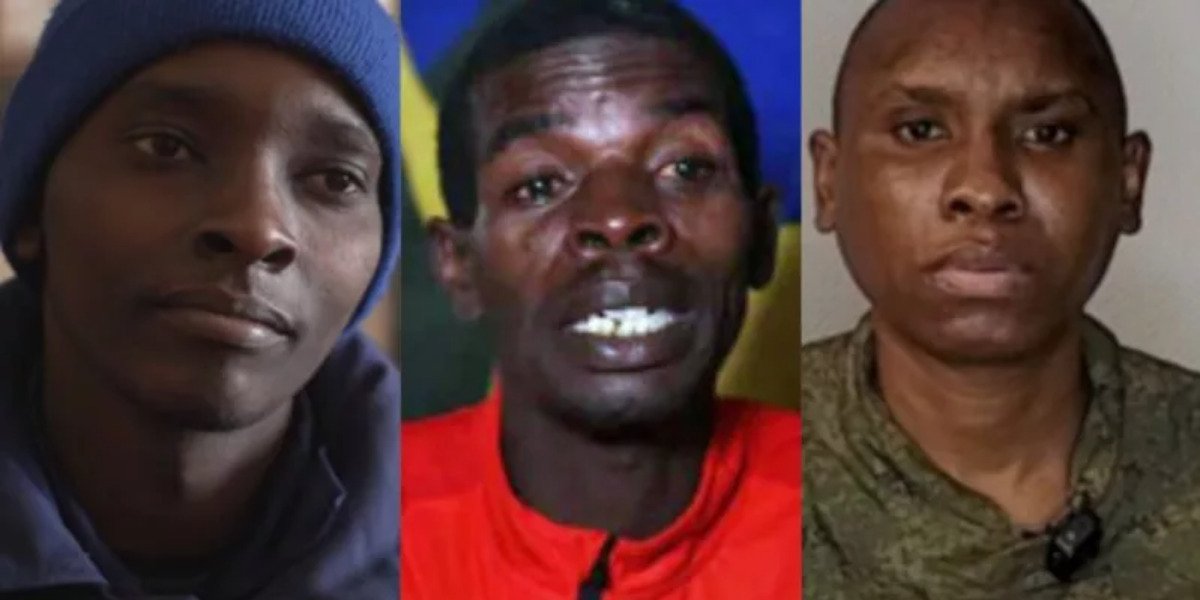
Four Kenyans captured while fighting for Russian forces in Ukraine are being held as prisoners of war as Nairobi seeks their safe return.
Evans Kibet, Joseph Kabugi, Willy Macharia and Francis Ndarua were captured while fighting for Russian forces. Their cases have placed Kenya in a difficult position involving humanitarian obligations, international law and domestic legal restrictions.
The four are among Kenyans who have travelled to Russia and ended up on the frontline of the war against Ukraine. Official figures indicate that 291 Kenyans have been recruited, although accounts from individuals familiar with the recruitment suggest the number could be higher.
Foreign Affairs Cabinet Secretary Musalia Mudavadi has said the recruits violated Kenyan law. Section 68 of the Penal Code prohibits Kenyan citizens from joining foreign armed forces without presidential approval.
“Those who went to fight for Russia broke the law,” Mudavadi said. However, he said the government’s response would be guided by humanitarian considerations, with the priority being the safe return and reintegration of the recruits rather than punishment.
President William Ruto has also raised the matter with Ukrainian President Volodymyr Zelensky and appealed for the release of Kenyans held in Ukrainian custody. Zelensky assured him of Ukraine’s cooperation.
Ukraine’s Ambassador to Kenya, Yurii Tokar, said discussions were continuing through official channels. He said details would remain confidential until there were verified developments.
The diplomatic engagement reflects Nairobi’s efforts to resolve the matter through dialogue while recognising Ukraine’s authority to deal with captured combatants.
The treatment of the four men is also governed by the Third Geneva Convention of 1949. The convention requires prisoners of war to be treated humanely and protected from violence, intimidation and degrading treatment. They are entitled to adequate food, shelter and medical care.
Prisoners of war may be required to provide basic identifying information, but the convention prohibits coercion to obtain additional information. It also provides for religious practice, communication with family members and representation within detention facilities.
Seriously ill or injured prisoners may, under certain circumstances, be repatriated. Other arrangements for the release of prisoners generally depend on the circumstances surrounding the end of hostilities.
The cases have also highlighted the risks faced by Kenyans recruited through informal networks to work or serve in Russia. Some recruits have been attracted by promises of employment or financial rewards before finding themselves in war zones and facing uncertain futures.
The Kenyan government has repeatedly warned citizens against such recruitment, citing the risks associated with foreign military service and irregular migration. The cases of Kibet, Kabugi, Macharia and Ndarua have raised questions about how Kenya should protect citizens who violate domestic law by joining foreign armed forces, while ensuring that those captured in conflict receive the protections provided under international law.
For now, their return depends on the outcome of diplomatic discussions between Nairobi and Kyiv.



Comments
No comments yet — be the first.