
Ex-Zambian Minister Killed in Security Raid on Opposition

In a shocking development, former Zambian minister Mutotwe Kafwaya was killed during a security raid targeting opposition members in Lusaka. The police confirmed his death amidst escalating political tensions in the country, which have raised alarms both domestically and internationally. Kafwaya's demise has sparked outrage among opposition leaders and their supporters, who are demanding accountability and transparency regarding the circumstances surrounding the raid.
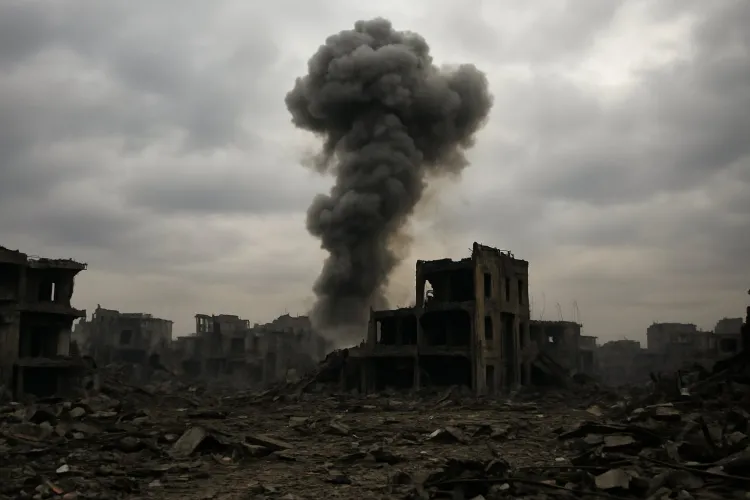
Reports indicate that the operation was part of a broader crackdown on opposition activities as the government seeks to stifle dissent ahead of the upcoming elections. The Zambian police stated that they were acting on intelligence regarding alleged illegal activities linked to the opposition, but the specifics of the operation remain murky. Witnesses described a chaotic scene, with gunfire erupting as police stormed the location where Kafwaya was believed to be hiding.
Kafwaya, who served as Minister of Transport and Communications in the previous administration, had become a prominent figure in the opposition, advocating for democratic reforms and criticizing the current government's policies. His death marks a significant moment in Zambia's political landscape, as it underscores the increasing risks faced by opposition figures in a country that has seen a troubling rise in authoritarianism.
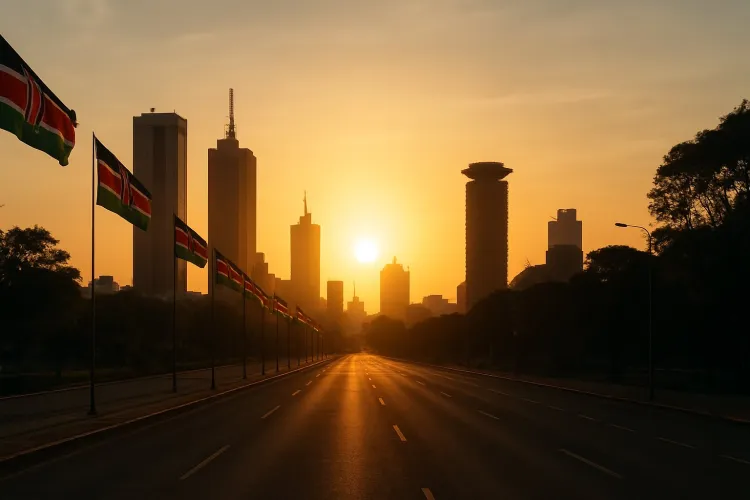
The implications of Kafwaya's death extend beyond Zambia's borders. For the Kenyan diaspora and other African nations, this incident raises concerns about the state of democracy on the continent. Many Kenyans living abroad have been vocal about the need for political stability and accountability in African governance. Kafwaya's death may serve as a rallying point for those advocating for human rights and democratic principles in the region.
Political analysts warn that the government's heavy-handed approach could lead to further unrest. Zambia has a history of political violence, particularly during election periods, and the current climate suggests that tensions are likely to escalate. The opposition has called for peaceful protests to demand justice for Kafwaya and to challenge the government's actions, but there are fears that such gatherings could be met with further violence.
The international community is closely monitoring the situation. Human rights organizations have condemned the raid and called for an independent investigation into Kafwaya's death. The U.S. Secretary of State has expressed concern over the growing authoritarianism in Zambia and urged the government to respect the rights of its citizens, particularly those in the opposition. This sentiment is echoed by various African leaders who have taken to social media to express their solidarity with the Zambian people.
Kenya, which has faced its own struggles with political violence and repression, is particularly attuned to the developments in Zambia. The Kenyan diaspora, which includes many who have fled political instability in their home country, is likely to react strongly to the news of Kafwaya's death. Many see parallels between the situations in Kenya and Zambia, and there is a growing movement among diaspora communities advocating for democratic reforms across the continent.
The Zambian government, led by President Hakainde Hichilema, is under pressure to address the concerns raised by both local and international observers. Critics argue that the government has not done enough to protect the rights of opposition members, and Kafwaya's death may further erode public trust in the administration. As calls for accountability grow louder, the government faces a critical test of its commitment to democratic principles.
In the wake of this tragic event, it is essential for the international community to engage with Zambia to ensure that the rule of law is upheld and that those responsible for Kafwaya's death are held accountable. The situation remains fluid, and as more details emerge, the world will be watching closely to see how the Zambian government responds to the mounting pressure.
The events surrounding the raid and Kafwaya's death serve as a stark reminder of the challenges facing opposition figures in Africa. As the continent grapples with issues of governance, human rights, and political stability, the need for solidarity among nations and communities becomes ever more critical. The Kenyan diaspora, along with other African communities abroad, may find themselves increasingly drawn into discussions about the future of democracy in Africa, as they reflect on the implications of Kafwaya's tragic death.



Comments
No comments yet — be the first.