
Over 200,000 Displaced as Violence Escalates in Sudan's Kordofan Region

In a devastating turn of events, over 200,000 people have been newly displaced in Sudan's Kordofan region as fierce fighting continues to engulf the area. The ongoing conflict, primarily between the Sudanese Armed Forces and rival militia groups, has led to a humanitarian crisis that is rapidly worsening, with thousands fleeing their homes in search of safety.
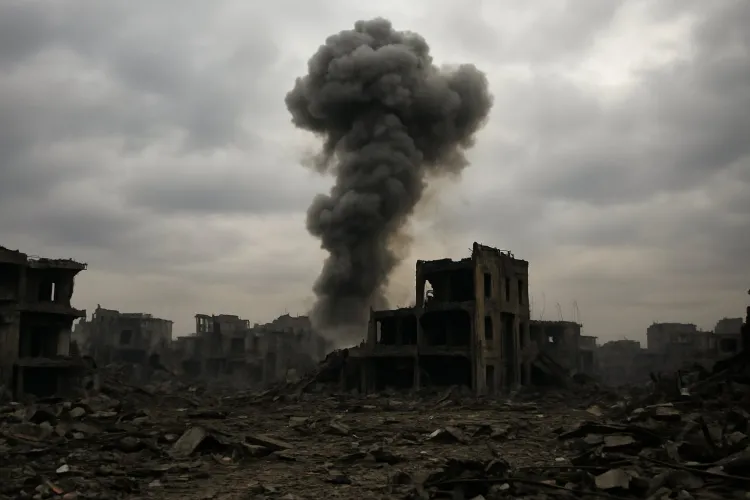
The violence in Kordofan has been exacerbated by long-standing ethnic tensions and political instability that have plagued Sudan for years. The region, rich in natural resources, has become a battleground for various factions vying for control, further complicating the already dire humanitarian situation. Reports indicate that the fighting has intensified in recent weeks, with heavy artillery fire and airstrikes reported in civilian areas, leading to significant casualties and destruction.
International humanitarian organizations have expressed alarm at the escalating violence and the dire need for assistance. The United Nations has called for immediate access to affected areas to provide much-needed aid to the displaced populations. However, the ongoing conflict poses significant challenges to relief efforts, as security concerns hinder the delivery of essential supplies such as food, water, and medical care.
The plight of the displaced individuals and families is particularly alarming, as many are forced to live in makeshift camps with inadequate shelter and sanitation facilities. Children are among the most affected, facing malnutrition and a lack of access to education. The situation is further compounded by the ongoing COVID-19 pandemic, which has strained already limited resources.
This latest surge in violence comes amid a backdrop of political turmoil in Sudan, following the ousting of former President Omar al-Bashir in 2019. The transitional government, which was established to lead the country towards democracy, has struggled to maintain control and address the myriad of conflicts erupting across the nation. The power vacuum created by the absence of a stable government has allowed armed groups to flourish, perpetuating a cycle of violence that continues to displace civilians.
The implications of this crisis extend beyond Sudan's borders, affecting neighboring countries and the broader African region. As thousands flee the violence, there is an increasing risk of regional instability, with potential spillover effects on countries like South Sudan and Chad, which are already grappling with their own security challenges. The influx of refugees into these nations could strain their resources and exacerbate existing tensions.
For the Kenyan diaspora, the situation in Sudan resonates deeply, given Kenya's historical ties to the region and its role as a peace broker in African conflicts. Many Kenyans have family and friends affected by the unrest, and there is a growing concern about the humanitarian implications for the region. The Kenyan government, along with other African nations, may be called upon to play a more active role in addressing the crisis, whether through diplomatic efforts or humanitarian assistance.
The international community has a critical role to play in addressing the escalating violence in Kordofan. Calls for a ceasefire and dialogue among conflicting parties are essential to pave the way for lasting peace. Furthermore, increased support for humanitarian efforts is urgently needed to assist those displaced by the violence. The world must not turn a blind eye to the suffering of the Sudanese people, as their plight is a stark reminder of the fragility of peace in the region.
As the situation develops, the eyes of the world remain focused on Sudan, with hopes that the international community will unite to provide the necessary support to alleviate the suffering of those caught in the crossfire. The urgency of the situation cannot be overstated, as every moment lost is a moment that further endangers the lives of innocent civilians.



Comments
No comments yet — be the first.