
Meru Farmers Take Vervet Monkey Crisis to Parliament Amid Rising Crop Losses

Farmers from Meru County have taken their grievances to Parliament, seeking government intervention over significant crop losses attributed to vervet monkeys. The farmers argue that the increasing monkey population is wreaking havoc on their farms, leading to severe economic repercussions.
Reports indicate that the farmers have experienced substantial damage to their crops, particularly maize and beans, due to the relentless foraging by these primates. The situation has escalated to the point where farmers feel compelled to seek legislative support, highlighting the urgent need for effective wildlife management strategies.
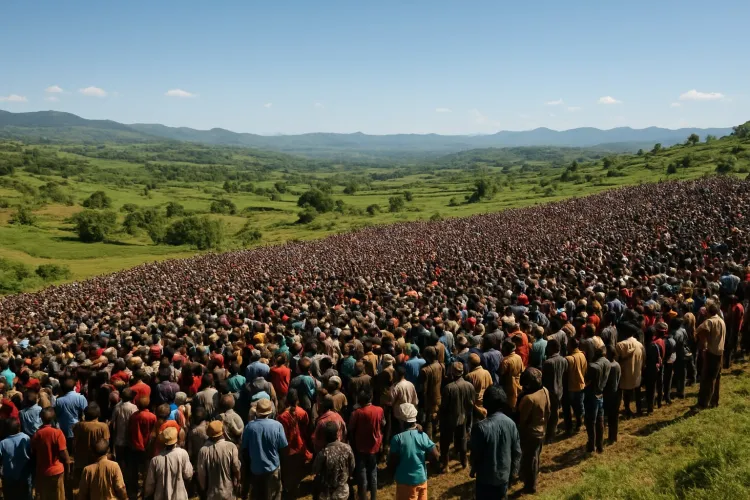
The farmers organized a peaceful protest, presenting their case to local representatives and demanding immediate action. They have urged the government to implement measures that would mitigate the impact of wildlife on agricultural practices. The farmers' plight underscores the growing challenges faced by agricultural communities in Kenya, particularly those situated near wildlife habitats.
In recent years, the conflict between humans and wildlife has intensified across various regions of the country. Farmers often find themselves at the mercy of wild animals, including elephants and monkeys, which regularly invade farmlands, leading to crop destruction. The conflicts are exacerbated by changing environmental conditions and increasing human encroachment on wildlife habitats.
The issue of vervet monkeys specifically poses a unique challenge. Unlike other wildlife, which may be deterred by barriers or repellent strategies, vervet monkeys are known for their intelligence and adaptability. They can easily navigate around fences and other deterrents, making them particularly difficult for farmers to manage.
The farmers' appeal to Parliament comes at a time when agricultural productivity is critical for the nation's economy. Agriculture remains a cornerstone of Kenya's economic framework, with a significant portion of the population relying on farming for their livelihoods. The loss of crops due to wildlife incursions not only threatens food security but also jeopardizes the economic stability of farming communities.
As the situation unfolds, stakeholders are calling for a comprehensive approach to wildlife management that balances the needs of farmers with the protection of wildlife. There is a growing consensus that the government should invest in research and development of innovative solutions that can help mitigate human-wildlife conflict while ensuring the sustainability of local ecosystems.
Additionally, the farmers have expressed concerns about the lack of compensation mechanisms for those who suffer losses due to wildlife damage. They argue that without proper compensation, it becomes increasingly difficult for them to sustain their farming activities and support their families.
The plight of the Meru farmers resonates with many agricultural communities across the country who face similar challenges. As they await a response from Parliament, the farmers remain hopeful that their voices will lead to meaningful changes in policy that can protect their livelihoods and promote harmonious coexistence with wildlife.
This situation is a reflection of broader environmental issues facing Kenya, where the intersection of agriculture and wildlife conservation continues to pose significant challenges. As the country navigates these complex dynamics, the experiences of the Meru farmers may serve as a catalyst for change in how wildlife management is approached, ensuring that both agricultural interests and wildlife conservation are addressed in a balanced manner.





Comments
No comments yet — be the first.