
Amboseli Elephant Poisoning: 18 Dead as Two Farmers Arrested
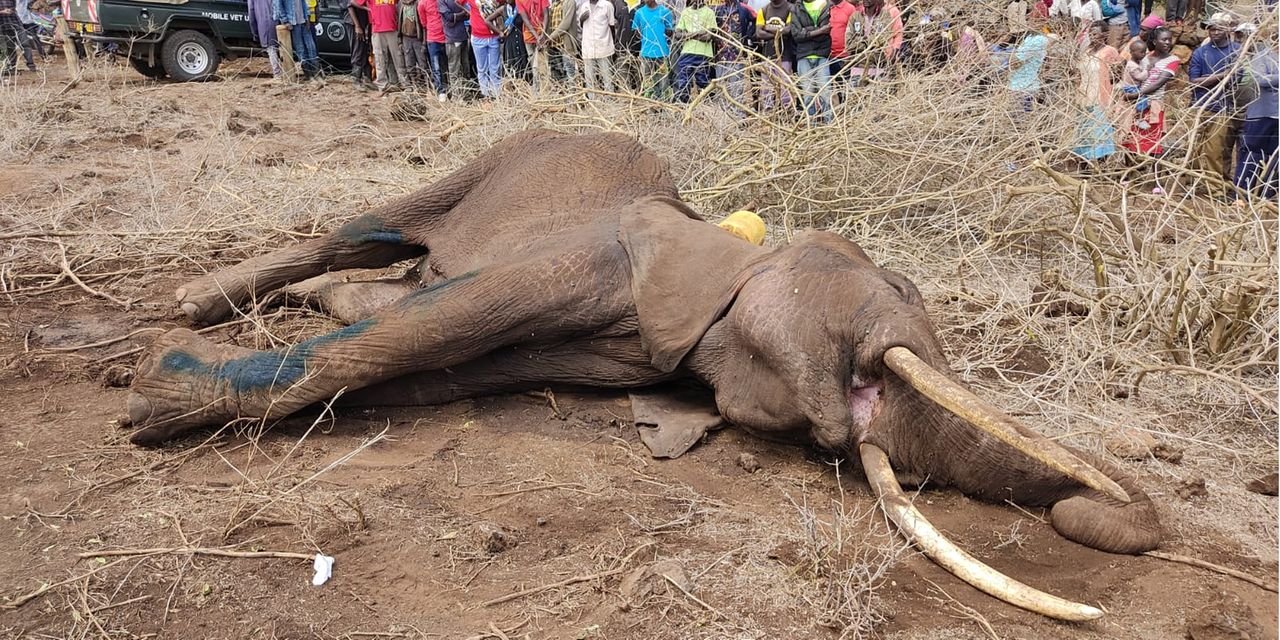
Eighteen elephants have died in the Amboseli ecosystem after ingesting suspected cyanide poisoning, with two farmers arrested over the killings.
The arrests followed a joint operation involving Kenya Wildlife Service (KWS) rangers, officers from the Directorate of Criminal Investigations (DCI) and the National Intelligence Service (NIS). One suspect, reportedly a Tanzanian national, was arrested in Nairobi, while the other was detained in Kajiado County.
Authorities are investigating other people suspected of involvement, including farmers linked to local politics. Investigators are also examining farms across the ecosystem as they search for evidence and establish how the poison was administered.
KWS veterinary teams are monitoring another elephant showing signs of poisoning. Senior Assistant Director Paul Wambi said veterinarians were working urgently to stabilise the animal.
Preliminary laboratory tests detected traces of cyanide in the digestive systems of the dead elephants. Investigators believe the animals may have consumed contaminated water placed along their migration routes.
Cyanide is not legally registered for agricultural use in Kenya, raising the possibility that the substance was illegally brought into the country. Investigators suspect it may have been used near areas bordering tomato farms.
KWS Director-General Prof Erustus Kanga said post-mortem examinations indicated that the elephants had consumed pesticides sprayed on crops in Amboseli National Park, Kimana Sanctuary and Kuku Group Ranch. KWS is also investigating whether naturally occurring cyanogenic plants, including giant star grass, could have contributed to the deaths.
However, no definitive report has been issued on this possibility. The arrests followed an undercover operation in which intelligence officers posed as casual farm workers within the ecosystem. Sources familiar with the investigation said the suspects were allegedly planning to kill more elephants, although their motive has not been established.
The multi-agency team continues to search farms for evidence, with authorities indicating that further arrests could follow. The Kajiado County Government has classified the incident as a One Health emergency.
County officials said the poisoning could affect public health, livestock, biodiversity, food security, water resources and the livelihoods of communities that depend on the Amboseli ecosystem.






Comments
No comments yet — be the first.