
Kenya: Matatu Operators Warn of Fare Hikes as Diesel Prices Hit Sh227 Per Litre
Matatu operators have warned that fares are likely to rise following a sharp increase in fuel prices, with the Matatu Owners Association (MOA) accusing the government of failing to honour assurances made during negotiations earlier this year.
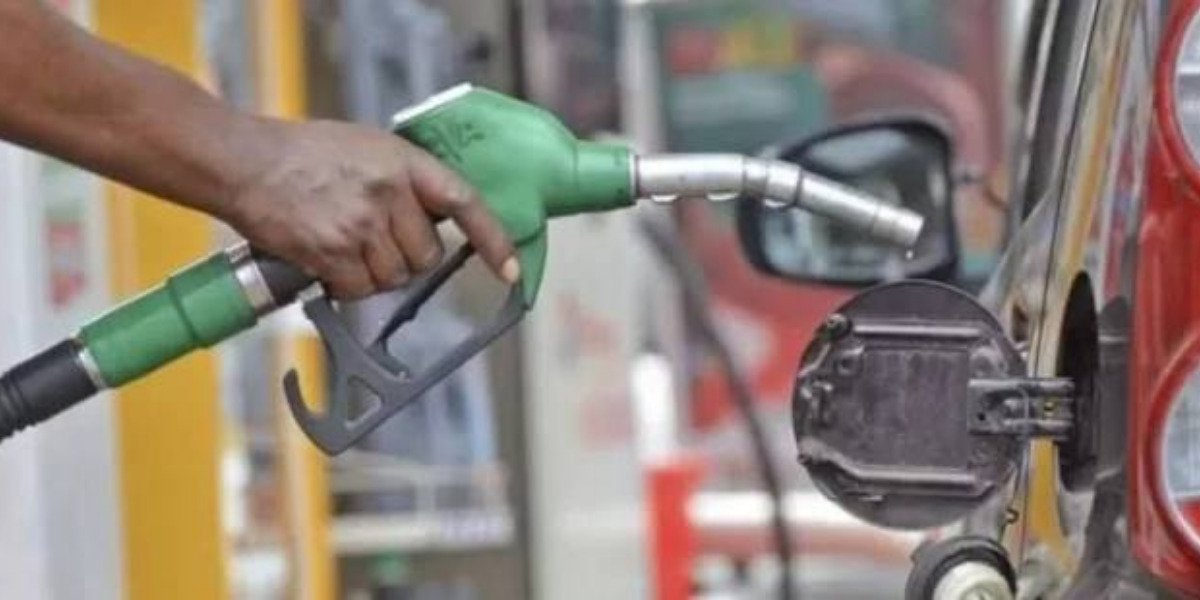
The latest review by the Energy and Petroleum Regulatory Authority (EPRA), which took effect on 15 October and runs until 14 November, increased the prices of petrol, diesel and kerosene. In Nairobi, diesel now costs Sh227.76 per litre, while Super Petrol retails at Sh226.96. Similar increases have been recorded in other towns, including Mombasa.
EPRA attributed the price increases to higher international petroleum costs, citing disruptions in global markets linked to instability in the Middle East. However, matatu operators say the changes will further increase their operating expenses and make it difficult to maintain existing fares.
MOA president Albert Karakacha said the increase in diesel prices contradicted assurances made by President William Ruto during a meeting with transport industry representatives at State House in Mombasa in May. The talks followed a nationwide transport strike that disrupted movement in several urban centres and highlighted concerns over rising operating costs.
According to Karakacha, diesel prices were a key issue during the discussions because of the fuel's importance to public transport and commercial activity. He said operators left the meeting believing the government recognised the need to protect the sector from sharp increases in diesel costs.
The latest price adjustment has renewed concerns among transport operators over the commitments made during the May negotiations. Industry representatives had hoped the agreement would lead to lasting measures to reduce pressure on their businesses rather than temporary relief.
The dispute follows a transport shutdown in May, when an earlier fuel price increase prompted operators to suspend services across the country. The strike paralysed commuter transport in Nairobi and disrupted economic activity in several towns. Clashes between protesters and security officers resulted in deaths and injuries as police sought to restore order.
The standoff ended after President Ruto intervened and announced further reductions in diesel prices. He also highlighted government spending intended to cushion consumers against rising fuel costs. Transport leaders subsequently suspended further industrial action, allowing public transport services to resume.
Five months later, the latest price increases have put that agreement under renewed pressure.
Matatu operators say their financial difficulties extend beyond fuel costs. The MOA reports that tyre prices, insurance premiums and vehicle maintenance expenses have also increased, placing further pressure on operators' earnings. According to the association, rising fleet management costs have reduced profit margins and made it harder for vehicle owners to meet loan repayments while keeping fares affordable. Operators say the combined effect of these expenses is making it increasingly difficult to sustain their businesses at current prices.
The association has also criticised the slow progress on measures intended to support the transition to electric vehicles. Transport industry representatives had welcomed government discussions on reducing duties on electric vehicles, batteries and charging infrastructure. However, they say the expected incentives have yet to be implemented, leaving operators with limited alternatives to conventional fuel.
With fuel and maintenance costs continuing to rise, the MOA says fare increases are becoming unavoidable. Operators have not announced a uniform adjustment, but the association is expected to convene urgent discussions to determine how the additional costs will be reflected in passenger fares.
Any increase would add to the financial pressure facing households already dealing with high living costs. Workers, students and small business owners depend on public transport for their daily activities, making fare changes a direct concern for many Kenyans.
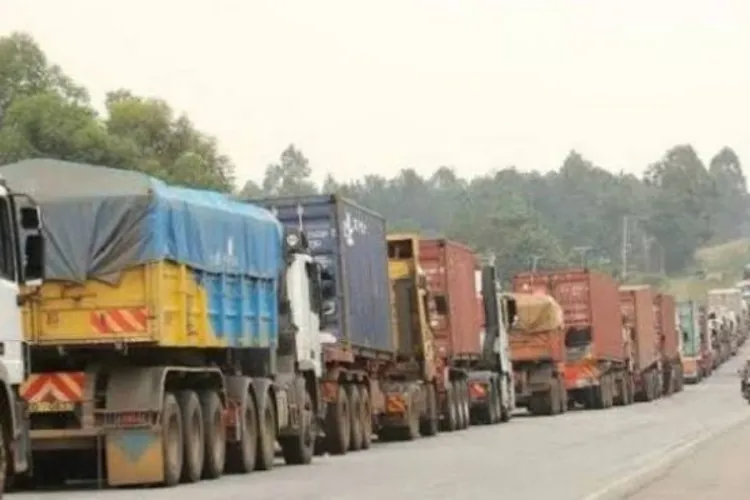
Higher transport charges could also push up the cost of goods and services. Road transport remains central to the movement of people and commodities across the country, meaning increased operating expenses can affect prices throughout the supply chain.
Parents may face additional costs as schools close and families make travel arrangements. Households that prepared their budgets before the latest fuel review may have to adjust their spending to accommodate higher transport expenses.
Transport operators are calling for longer-term measures to reduce the impact of fuel price fluctuations. Their proposals include reviewing taxes on petroleum products and introducing mechanisms to protect consumers and businesses from sudden increases in energy costs.




Comments
No comments yet — be the first.