
Gaza Faces Dire Crisis as Burial Sites Run Out Amid Ongoing Conflict
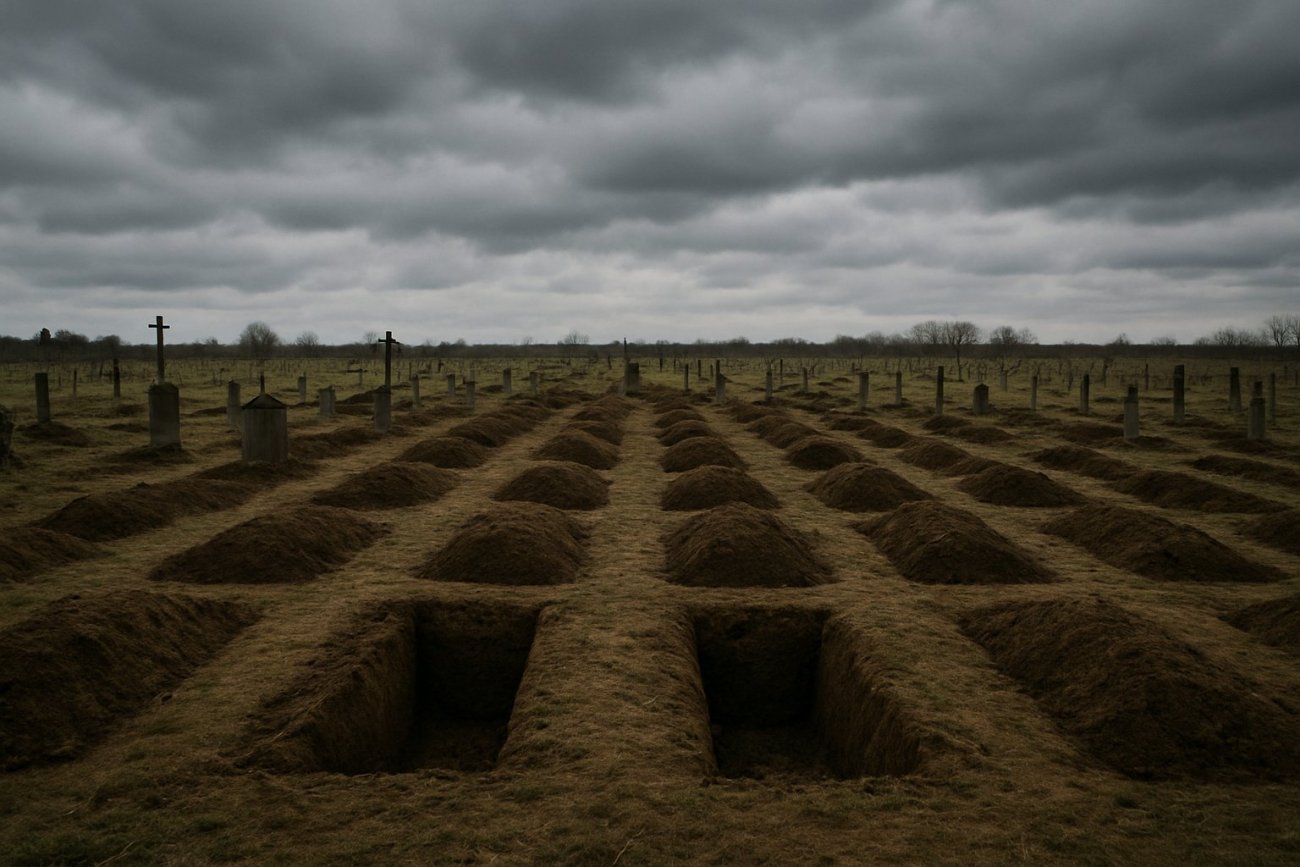
As the humanitarian crisis in Gaza escalates, families are now faced with the harrowing reality of retrieving bodies from the rubble as the region runs out of places to bury the dead. The ongoing conflict, described by many as a genocidal war, has resulted in thousands of fatalities, overwhelming makeshift burial sites and prompting urgent calls for international intervention.
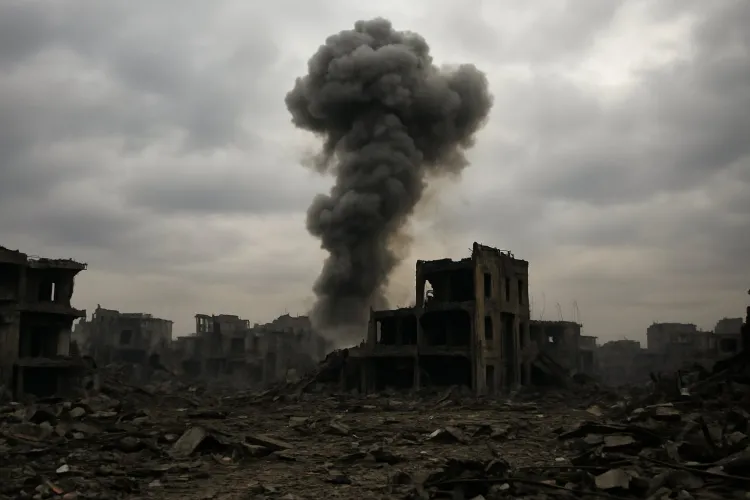
The toll on the civilian population has been devastating. Reports indicate that since the onset of intensified hostilities, the death toll has surged into the tens of thousands, with many bodies remaining unburied due to the sheer volume of casualties and the destruction of infrastructure. Families, grappling with grief and trauma, are left to navigate the chaos as they search for their loved ones amidst the debris of their shattered homes.
The situation has drawn international condemnation, particularly in light of past incidents involving humanitarian workers. Recent statements from the UK, Canada, and Australia have condemned Israel's refusal to initiate a criminal probe into the killings of aid workers, including seven members of World Central Kitchen who were tragically killed in an Israeli airstrike on their convoy in 2024. Such incidents have intensified scrutiny of Israel's military actions and raised questions about accountability in the ongoing conflict.
The humanitarian crisis is exacerbated by the destruction of essential services and facilities. Hospitals are overwhelmed, lacking the necessary resources to treat the wounded, while access to clean water and food is severely restricted. The UN has warned that the situation could deteriorate further if immediate assistance is not provided. The international community is urged to respond to the crisis, with many activists and organizations calling for an immediate ceasefire and the establishment of safe zones for civilians.
For the Kenyan diaspora and the broader African community, the situation in Gaza resonates deeply, highlighting the ongoing struggles faced by marginalized populations across the globe. Many Kenyans have family ties to the region and are closely monitoring the developments. The conflict underscores the importance of solidarity among nations in advocating for human rights and humanitarian assistance.
In a poignant display of resilience, reports have emerged of Palestinian children participating in swimming classes along Gaza's shore. With 1,300 children taking part, these classes serve as a coping mechanism for the trauma inflicted by the conflict. The juxtaposition of joy and despair illustrates the complexities of life in Gaza, where moments of normalcy are overshadowed by the pervasive violence.
The international community's response to the crisis is crucial. Activists and humanitarian organizations are calling for increased pressure on governments to address the situation and provide aid to those affected. The need for a coordinated and compassionate response is more urgent than ever, as the world watches the humanitarian catastrophe unfold.
As families continue to retrieve the bodies of their loved ones, the question remains: how long can Gaza endure this level of suffering? The lack of burial space is a stark reminder of the human cost of the conflict, emphasizing the need for immediate action to alleviate the plight of the Palestinian people. With the world’s attention turning to Gaza, there is hope that the voices calling for justice and peace will be heard.




Comments
No comments yet — be the first.