
Racism Behind the Scrubs: Kenyan Nurses Reveal Abuse in UK Hospitals
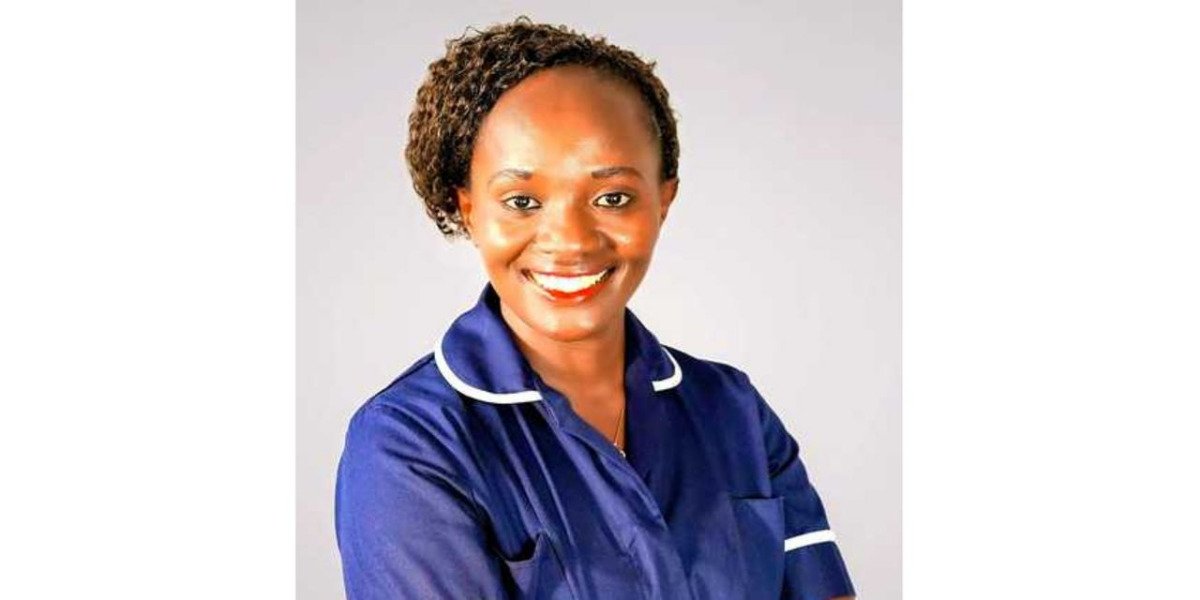
Kenyan nurses recruited to work in the UK have reported racist abuse and discrimination from patients, despite being recruited through a bilateral labour agreement intended to address staffing shortages in the NHS.
Catherine Maina, a renal nurse specialist who has lived in London for five years, said prejudice has affected her work with patients. On one occasion, a patient asked where she was “really” from before questioning her competence as she prepared to remove his surgical drain. Maina said the questions about her background and ability appeared to be linked.
Her experience reflects concerns reported by other Kenyan nurses, as well as healthcare workers from Nigeria, Asia and the Caribbean. Staff have described incidents in which patients questioned their professional abilities, refused treatment from them or used racist language.
The labour migration programme was announced in 2021 during former President Uhuru Kenyatta’s visit to London. It opened 20,000 NHS positions to Kenyan applicants. Candidates underwent language examinations, professional assessments and other checks before being approved to work in the UK.
However, some international recruits have faced discrimination after entering the NHS. Reports from the British Medical Association and the Royal College of Nursing have found that Black and minority ethnic staff experience disproportionate levels of bullying, disciplinary referrals and exclusion from senior management.
Surveys have also recorded cases of patients refusing treatment from non-white staff, sometimes using openly racist language and at other times questioning their competence. Radiographer Paul Awah said some patients have appeared to deliberately struggle to understand his Nigerian accent, even though they have no difficulty understanding strong Scottish or Irish accents.
Kenyan nurse Kioko Mutua recalled an ambulance call in which intoxicated patients directed racial slurs at paramedics. The incidents have occurred against a wider backdrop of hostility towards immigrants in parts of British society. Far-right rhetoric has increasingly linked immigration with economic difficulties and wider social problems.
The NHS has a formal zero-tolerance policy towards racism, but minority staff say the response can be inconsistent. In some cases, healthcare workers are expected to continue treating abusive patients because of their clinical needs.
For international nurses working under employer-sponsored visas, reporting discrimination can be particularly difficult. Some may fear that speaking out could affect their employment or immigration status.
Maina chose to confront one patient who had questioned her competence. She told him he could request another nurse if he preferred. He eventually agreed to let her continue, and she removed the drain without further incident. The patient later apologised.
The Kenyan government has largely remained silent on the experiences of nurses working in Britain. Labour Cabinet Secretary Alfred Mutua declined to comment on conditions faced by Kenyan workers in British workplaces.
Diaspora advocates say greater action is needed to protect Kenyan healthcare workers abroad. The NHS relies heavily on international staff, including nurses from Kenya and other countries, while discrimination can affect morale and working conditions.



Comments
No comments yet — be the first.