
Discovery of Antarctica's First Dinosaur Fossil Sheds Light on Ancient Ecosystems
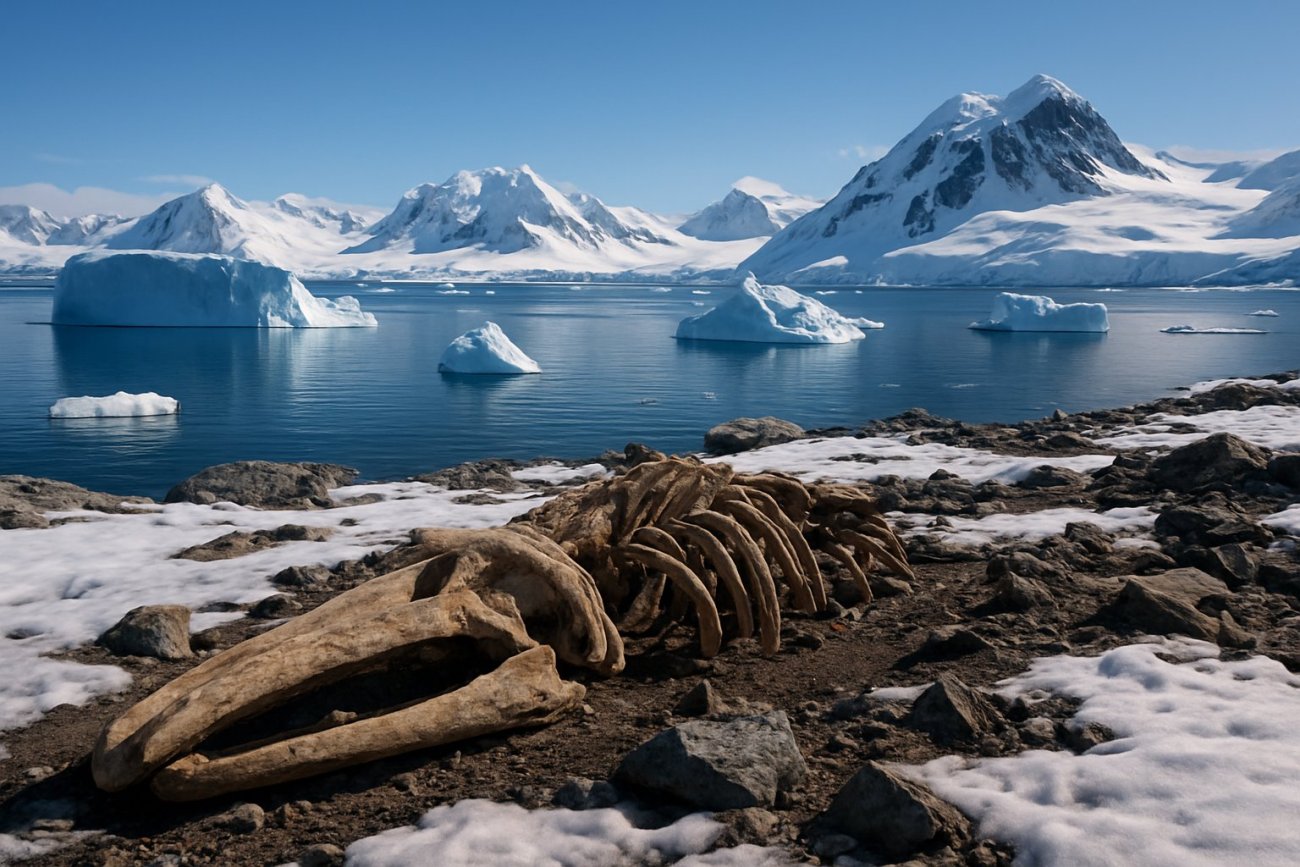
The recent identification of a fossil as the first dinosaur ever discovered in Antarctica marks a significant milestone in the field of paleontology. The fossil, initially unearthed by Argentinian geologist Eduardo Olivero in 1986, has now been conclusively identified as a member of a previously unknown dinosaur species. This groundbreaking discovery provides valuable insights into the prehistoric ecosystems that once existed on the frozen continent.
The process of identifying the fossil was a collaborative effort led by an international team of scientists, including paleontologists from Argentina, the United States, and the United Kingdom. The specimen, a partial skeleton including vertebrae and limb bones, has been dated to the Late Cretaceous period, approximately 70 million years ago. This time frame places the dinosaur in an era when Antarctica was part of the supercontinent Gondwana and experienced a much milder climate than it does today.
"The discovery of this dinosaur in Antarctica is significant because it provides evidence that dinosaurs reached the farthest corners of the Earth," said Dr. José Carabajal, a leading paleontologist from the Argentine Museum of Natural Sciences. "This offers us a glimpse into a past where Antarctica was not the icy wilderness we know today, but a lush environment capable of supporting diverse life forms."
Antarctica is often considered one of the last frontiers for paleontological research due to its harsh conditions and the vast expanses of ice that cover potential fossil sites. However, as the continent's ice sheets continue to recede due to climate change, new areas are becoming accessible, spurring renewed interest and exploration. This recent discovery underscores the importance of continued scientific expeditions to the region.
The implications of this find extend beyond understanding the ancient life of Antarctica. It also offers insights into the broader patterns of dinosaur migration and evolution. Dr. Olivero noted, "By studying these fossils, we can better understand the distribution of dinosaurs across different continents and how they adapted to varying climates and environments."
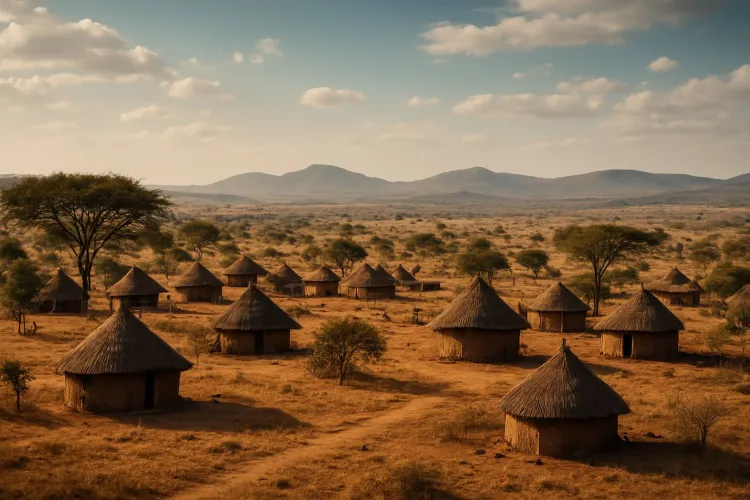
For developing nations, especially those in Africa, the discovery highlights the role of international collaboration in scientific advancement. Many African countries possess rich paleontological sites, with the potential to uncover significant fossils that could illuminate the history of life on Earth. Increased cooperation and investment in paleontological research could yield important discoveries, contributing to global scientific knowledge.
As researchers continue to analyze the Antarctic fossil, there is hope that further excavations will uncover more specimens and provide a clearer picture of the ecosystem that existed in this now ice-covered land. Future expeditions aim to explore other promising sites identified through satellite imagery and remote sensing technology.





Comments
No comments yet — be the first.