
Maize Production Plummets 60%, Triggering Food Security Concerns in Kenya
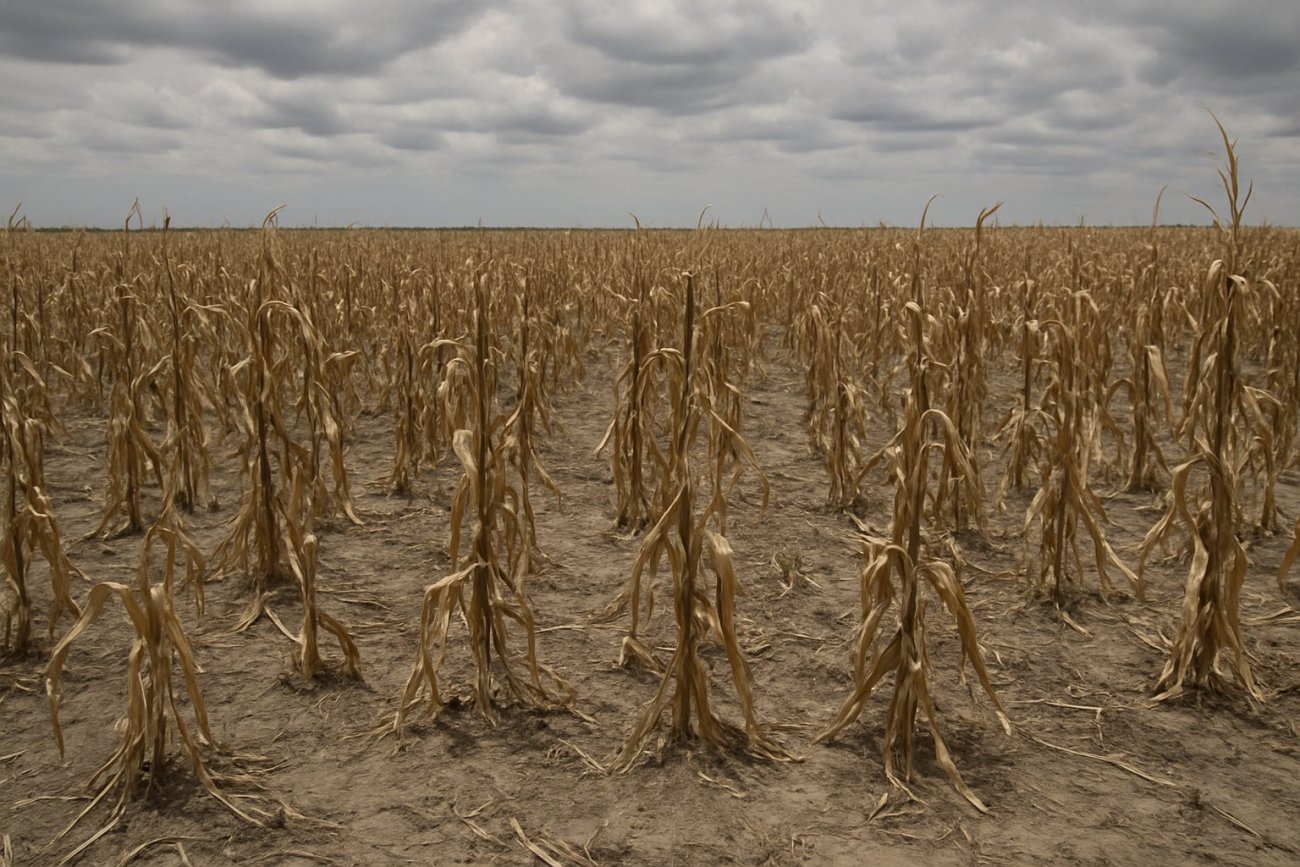
A significant drop in maize production by 60 percent has raised alarms over food security in Kenya, a country that heavily relies on maize as a staple food. This decline is attributed to a combination of factors including adverse weather conditions, rising production costs, and challenges in accessing quality seeds.
The current maize yield is projected to fall dramatically, leading to an impending shortage that could have dire consequences for households and the economy. Maize is not only a dietary staple for many Kenyans but also plays a critical role in the agricultural sector, which employs a large portion of the population. The reduction in maize output is expected to exacerbate food insecurity, particularly among vulnerable communities.
According to agricultural experts, the severe drought experienced in several regions of the country has significantly hindered maize farming. The prolonged dry spells have led to poor germination and stunted growth of maize crops. Additionally, farmers are facing increasing costs related to fertilizers and pesticides, further complicating their ability to produce sufficient yields.
With the price of maize flour already on the rise, consumers are beginning to feel the strain. Reports indicate that the cost of maize flour has surged by nearly 30 percent in recent months, putting pressure on household budgets. Families are being forced to make difficult choices as the cost of living continues to climb. The situation is particularly concerning for low-income households that spend a substantial portion of their income on food.
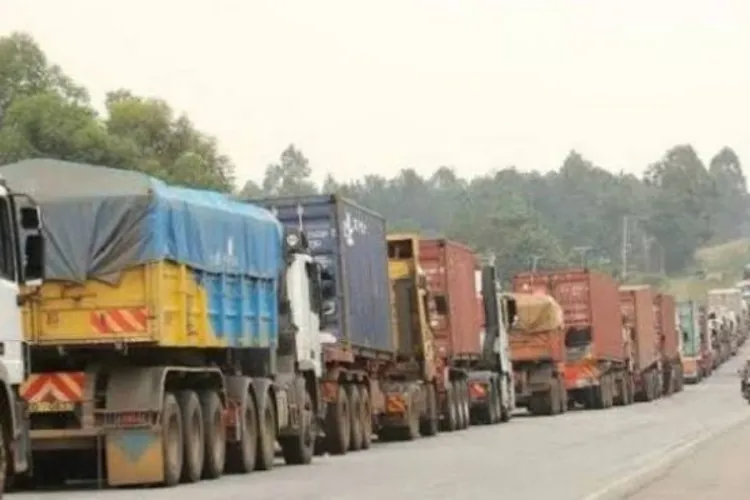
In response to the crisis, the government has begun exploring measures to mitigate the impact of the maize shortage. Discussions are underway regarding the possibility of importing maize from neighboring countries, although this option is fraught with its own challenges, including logistics and the associated costs. Furthermore, there are concerns about the quality of imported maize and whether it will meet local standards.
The agricultural sector is also facing a shift as more farmers are reportedly turning to loans to finance their operations amid rising production costs. A recent report from the Central Bank of Kenya highlighted that farmers are increasingly relying on credit to purchase inputs, which adds another layer of financial risk. Many farmers are now caught in a cycle of debt, as they struggle to repay loans while dealing with the uncertainties of crop yields.
The maize crisis is not just a local issue; it has implications for Kenyans abroad who send remittances home to support their families. Higher food prices may lead to increased financial strain on families dependent on these funds. Furthermore, the economic repercussions of a food shortage could affect remittance flows as families prioritize essential needs over other expenditures.
As the situation develops, stakeholders including government officials, agricultural experts, and non-governmental organizations are urged to work collaboratively to address the looming food crisis. Sustainable agricultural practices and investment in irrigation infrastructure are being recommended as long-term solutions to safeguard against future production declines.
The urgency of the maize production drop is becoming increasingly evident as the country approaches critical months for food availability. The government and other key players are under pressure to implement immediate strategies to stabilize the situation and ensure that food remains accessible for all Kenyans.
In light of these developments, the role of policy-making in agriculture has come under scrutiny. Analysts are calling for a reassessment of agricultural policies to better support farmers, improve resilience to climate change, and enhance overall food security. With the stakes so high, the coming months will be crucial for addressing the challenges posed by the declining maize production and its impact on the nation.




Comments
No comments yet — be the first.