


The Real Cost of Cancer in Kenya: How Much Families Pay to Stay Alive
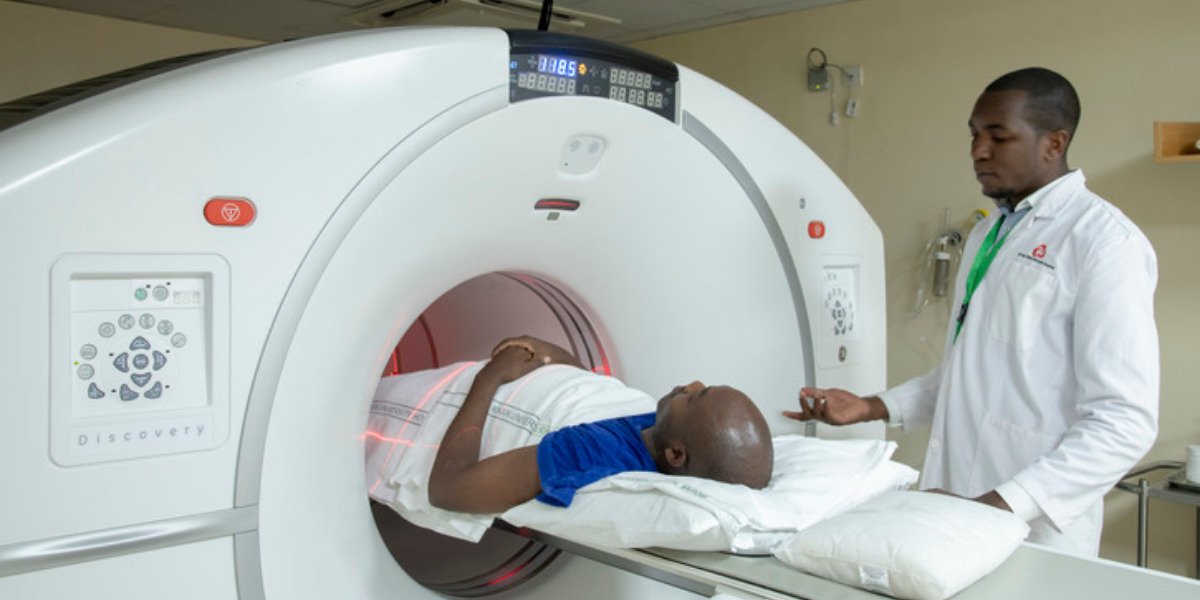
Cancer treatment in Kenya can cost households up to Sh1.64 million a year, while shortages of essential medicines and delays in public supply chains are forcing many patients to seek more expensive care or stop treatment altogether.
A new scoping review published in ecancermedicalscience examined 60 studies conducted between 2018 and May 2025 to assess the cost and availability of cancer care in Kenya. It focused on the five most common cancers in the country: breast, cervical, prostate, colorectal and oesophageal cancer.
The review found wide differences in treatment costs between public and private facilities. Treatment for early to mid-stage breast and cervical cancer in public hospitals cost between Sh173,000 and Sh199,000. In private facilities, the cost could exceed Sh1 million. Even generic chemotherapy medicines remained unaffordable for many patients who had to pay directly for treatment.
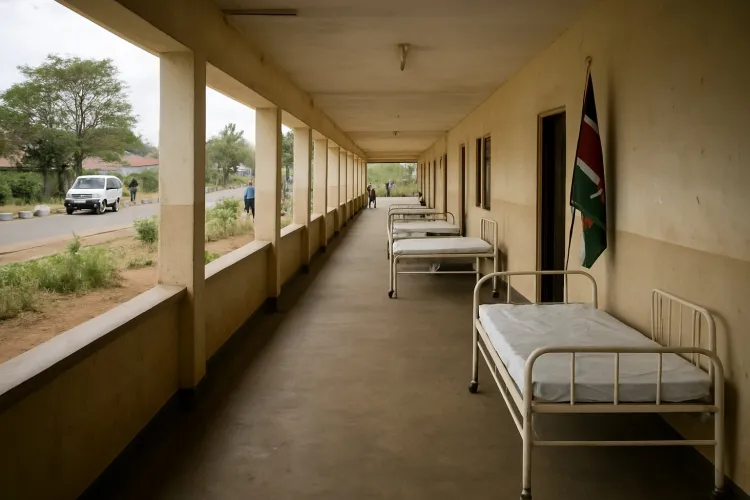
Medicine shortages added to the financial burden. Essential cancer medicines were available in fewer than half of public health facilities, while morphine, which is important for palliative care, was available in only 15 per cent of facilities. Delays of up to eight months in the supply of medicines through the Kenya Medical Supplies Authority also forced some patients to turn to private providers.
Annual out-of-pocket spending on cancer care ranged from Sh168,000 to Sh1.64 million. Between one-fifth and half of households faced catastrophic health expenditure as a result of treatment costs. Some families sold assets, borrowed money or relied on community fundraising to meet medical expenses.
For others, these measures were not enough. More than half of breast cancer patients included in one survey stopped treatment because they could not afford to continue. The financial pressures were also linked to poor quality of life. Studies reviewed by researchers reported low quality-of-life scores among cancer patients, with economic hardship and late diagnosis identified as major factors.
Nearly 70 percent of patients were diagnosed with stage III or IV cancer. At these stages, treatment is generally more difficult, less effective and more expensive.
The review also assessed changes to Kenya's health insurance system. The transition from the National Hospital Insurance Fund to the Social Health Authority in 2023 introduced a capped cancer-care benefit of KES 800,000. The scheme also provides fixed tariffs that could help reduce treatment costs.
However, the researchers said there is still limited evidence on the impact of the new system. Previous NHIF coverage was often limited, particularly for outpatient medicines and diagnostic services, leaving some patients with significant costs that were not reimbursed. The review warns that without improvements in procurement and wider insurance coverage, the SHA could face similar challenges.
The researchers recommended regulating medicine prices, combining procurement at regional level, strengthening cancer registries and expanding insurance coverage. They also noted that 64 per cent of existing patient records do not contain cancer staging information, making it difficult to monitor treatment outcomes.
The evidence available on cancer care in Kenya is also concentrated in major urban centres, including Nairobi, Eldoret, Kisumu and Mombasa. Rural areas are poorly represented in the studies reviewed, despite the likelihood of greater barriers to diagnosis and treatment in those areas.
The review concludes that the cost and availability of cancer treatment remain major barriers to care in Kenya. It calls for stronger health financing, reliable medicine supplies and better data collection to improve access to treatment and cancer outcomes across the country.



Comments
No comments yet — be the first.