


What It Really Takes for Kenyans to Work for the US Military
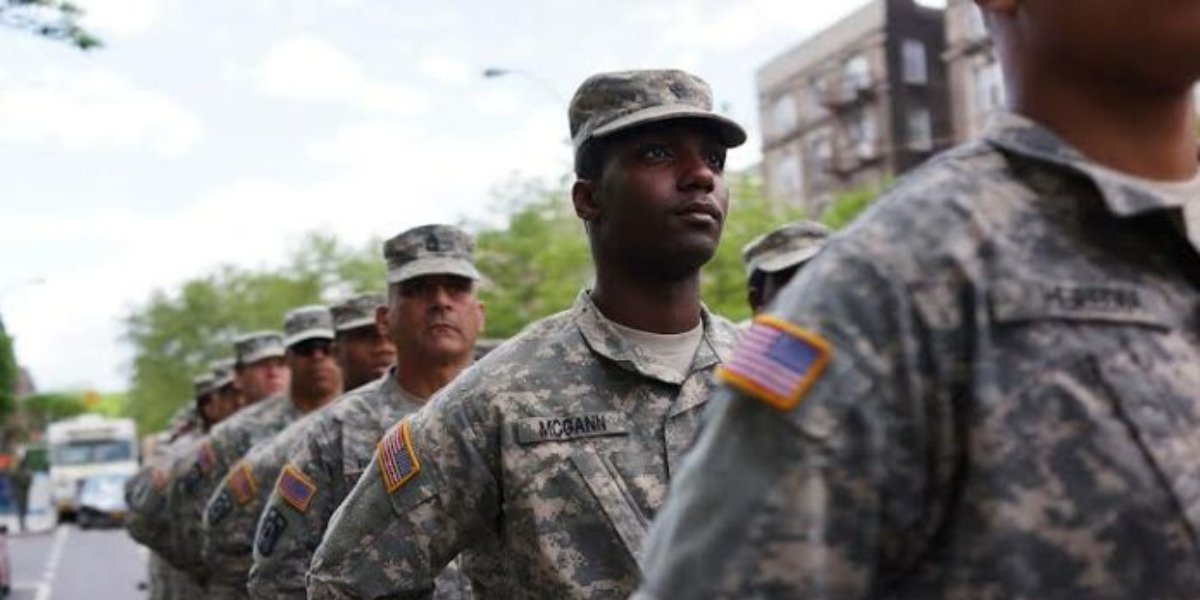
Kenyans living in the United States face strict legal and educational barriers when trying to join the American military or secure civilian jobs with the US government, despite growing interest in these opportunities.
While online posts often highlight the benefits of US service, such as career growth, signing bonuses, and faster pathways to citizenship, strict eligibility criteria mean many diaspora members remain excluded.
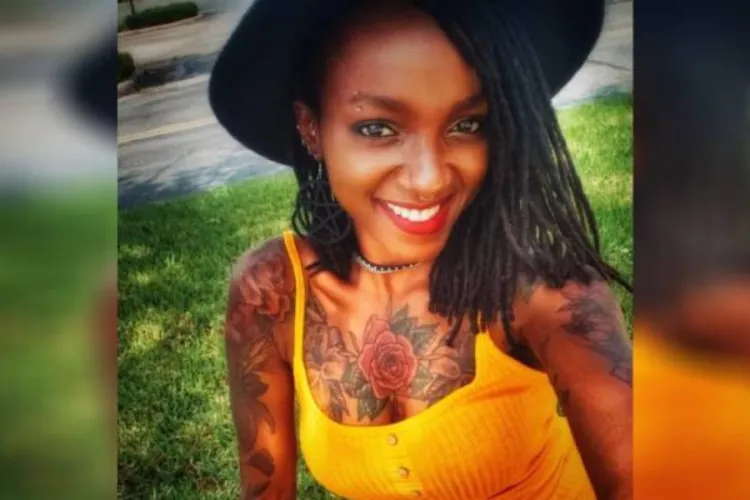
A video posted on October 23, 2026, by US-based Kenyan TikToker Yviona drew widespread attention after she detailed her enlistment process while filming inside military barracks. She revealed that her journey began while still in Kenya, driven by the desire to access nursing school and secure US citizenship.
However, Yviona emphasised that enlistment is strictly limited to US citizens and lawful permanent residents holding a green card. She qualified only because she already possessed permanent residency status.
Her experience highlights a sharp divide within the diaspora, where undocumented immigrants face an entirely different reality. Addressing these risks, another US-based Kenyan content creator, Sue Gacambi, recently shared advice for undocumented Kenyans facing increased immigration enforcement.
She urged individuals without legal status to avoid driving to social gatherings, rely on ride-sharing services, and consider marriage to legal residents or citizens as a potential route to legal status.
Beyond enlistment, permanent residency alone is often insufficient for federal civilian employment. Opportunities advertised on USAJOBS by the US Army Medical Command, including roles in substance abuse treatment and family violence prevention, carry stringent citizenship and academic requirements.
These clinical positions provide services to soldiers, military families, and retirees. Although advertised under Direct Hire Authority, federal competitive-service jobs generally require US citizenship, forcing non-citizen applicants to verify specific vacancy rules before applying.
Educational alignment presents another major hurdle for Kenyan professionals. The military's social work vacancies strictly require a master’s degree in social work (MSW), meaning a bachelor’s degree from a Kenyan university is insufficient. Applicants must also hold an active, unrestricted clinical social work licence issued by a US state or territory, as Kenyan professional licences are not directly recognized for independent practice in the US system.
For higher-grade posts, such as GS-12 substance abuse social workers, candidates need at least one year of specialised clinical experience covering assessments, treatment planning, and counselling. Applicants targeting family advocacy roles must meet Department of Defense regulations, including guidelines under DoD Instruction 1315.19 for the Exceptional Family Member Program.
The financial and professional rewards remain significant for those who clear these legal hurdles. Yviona shared that her military role came with a $20,000 (about KSh 2.6 million) signing bonus, paid one year into her contract. She noted that her Kenyan education helped her pass the ASVAB aptitude test easily at a Military Entrance Processing Station (MEPS), though she had to spend a year working out to meet physical weight standards.
"I went so hard because I really, really, really wanted this," Yviona said, advising applicants to maintain clean criminal and traffic records to avoid disqualification.
For civilian medical posts, successful candidates must pass pre-placement medical exams, receive Hepatitis B vaccinations where required, and enrol in federal direct-deposit systems, with select roles offering potential student loan repayment assistance.

Comments
No comments yet — be the first.