


65-Year-Old Woman Becomes Second Ebola Death in Kenya After First Victim Travelled From DR Congo
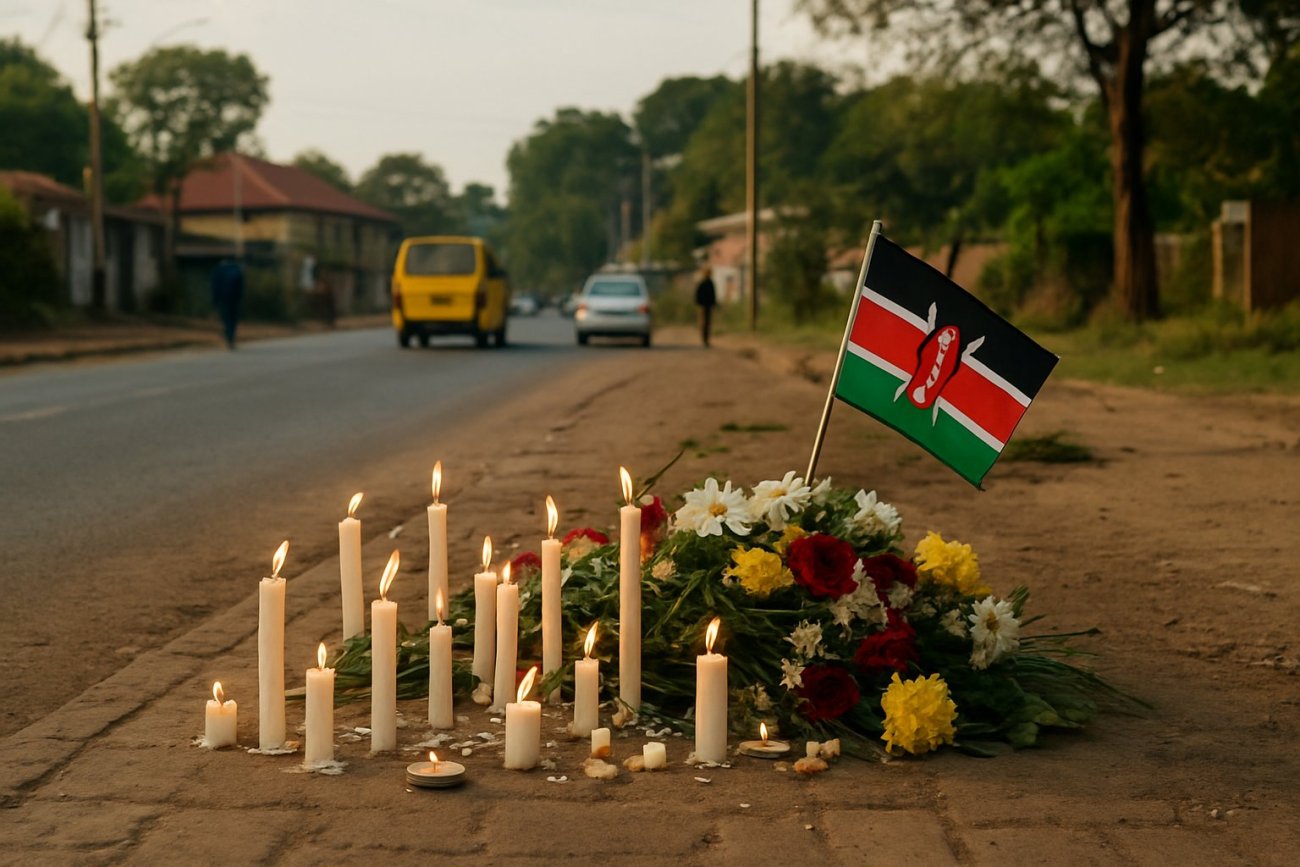
A 65-year-old woman has become the second patient to die of Ebola in Kenya, in an outbreak that began with a man who had travelled to the country from the Democratic Republic of Congo. Her death was reported on October 24, 2026.
The woman was a close family member of the first victim, meaning both of Kenya's Ebola deaths are linked within a single family cluster traced to an imported case. The first victim was a man who had travelled from the DRC, where the current outbreak of the disease remains active.
The two deaths in Kenya follow mounting alarm over the epidemic in the DRC itself. UN agencies said on Friday, October 23, 2026, that Ebola continues to spread in the country and that more resources are needed both to fight the disease and to feed patients and their families, a sign of the widening humanitarian burden the outbreak is placing on affected communities.
Kenya has been strengthening its Ebola containment measures as the outbreak has progressed, and the death of a second patient within the family of the first victim illustrates the difficulty of interrupting transmission once the virus has crossed a border. No further cases beyond the family cluster have been reported in the sources describing the outbreak.
Ebola virus disease is a severe viral haemorrhagic fever transmitted through direct contact with the blood, secretions or other bodily fluids of infected people, and with the bodies of those who have died of the disease. That route of transmission places family members who care for sick relatives, and mourners involved in traditional burial practices, among those at highest risk of infection. The Kenya cluster follows that pattern, with the second patient having been a close relative of the man who first carried the disease into the country.
The DRC has recorded more Ebola outbreaks than any other country since the virus was first identified in 1976, and it remains the epicentre of the current epidemic. The largest Ebola epidemic on record, which swept across West Africa between 2014 and 2016, killed more than 11,000 people and demonstrated how quickly the disease can move across borders once cases multiply in urban areas.
The arrival of the virus in Kenya via a traveller from the DRC underlines the regional exposure of countries neighbouring the outbreak zone, where cross-border trade and movement are constant. UN agencies said on Friday that the needs generated by the spreading outbreak in the DRC, including food support for patients and their families, were outpacing available resources.
The immediate focus in Kenya now falls on identifying and monitoring everyone who came into contact with the two dead patients, since people exposed to confirmed Ebola cases are typically observed for 21 days, the outer limit of the virus's incubation period. Whether any further infections emerge from that group over the coming three weeks, and whether international funding arrives to answer the UN appeal for the DRC response, will shape the next phase of an outbreak that has now claimed lives on both sides of the two countries' border.





Comments
No comments yet — be the first.