
Severe Drought Impacts Farmers and Drives Up Food Prices in Kenya
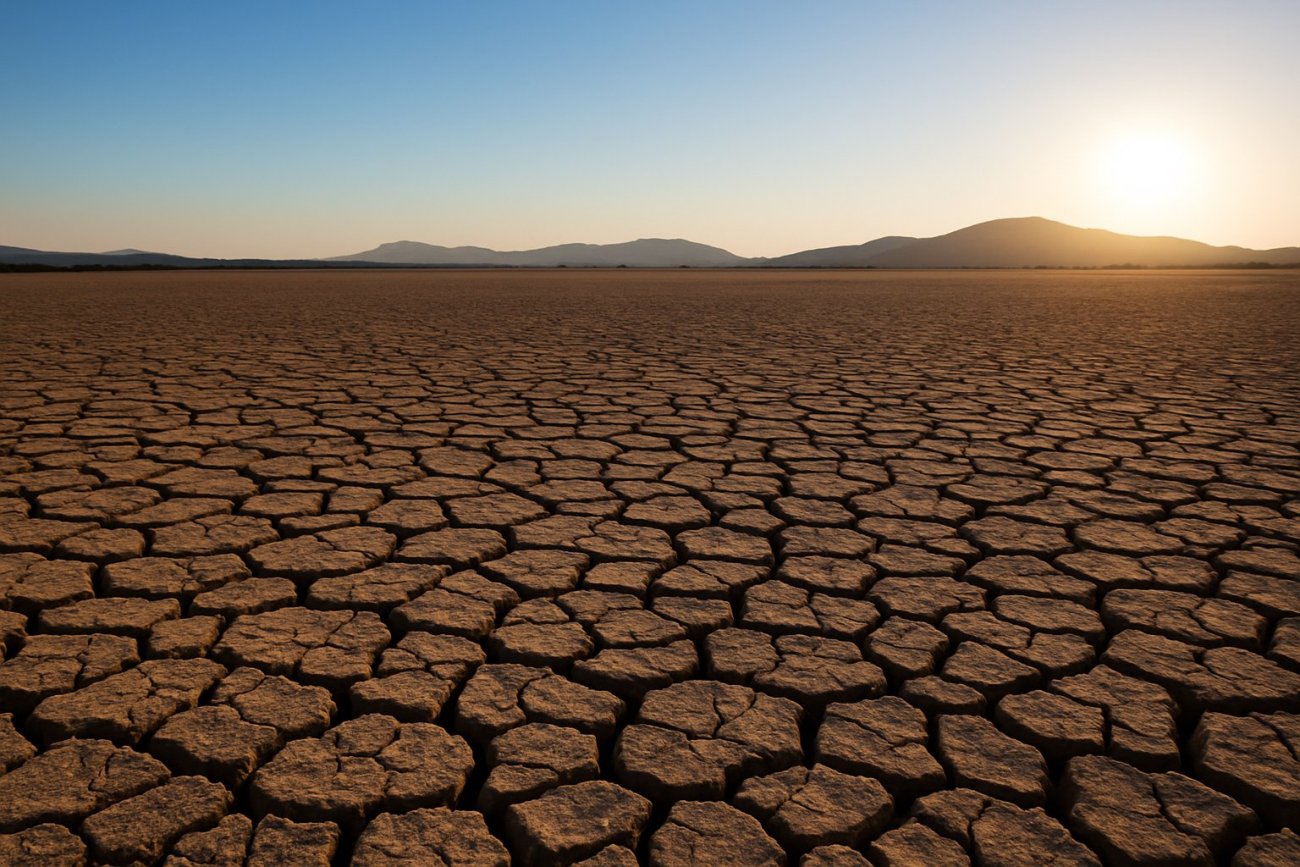
A severe drought gripping Kenya has significantly impacted farmers across the country, leading to a sharp increase in food prices. The ongoing dry spell, which has been exacerbated by climate change, is creating a challenging environment for agricultural production, which is a critical sector for both the economy and food security.
Reports indicate that many regions have experienced below-average rainfall, resulting in reduced crop yields and livestock productivity. This situation is particularly dire for smallholder farmers who rely heavily on rain-fed agriculture to sustain their livelihoods. The lack of sufficient water has led to the wilting of crops such as maize, beans, and vegetables, which are staple foods for many households.
As food supplies dwindle, prices have surged, making it increasingly difficult for families to afford basic necessities. In many urban areas, consumers are reporting that the cost of staple foods has risen by as much as 30% in recent months. This inflation in food prices is creating a ripple effect, straining household budgets and forcing families to make tough choices about their spending.
Experts warn that the drought could have long-term implications for food security in the region. With agricultural output declining, there are concerns about potential shortages that could lead to increased reliance on food imports. This situation is particularly alarming given that Kenya already imports a significant portion of its food needs.
The government has acknowledged the severity of the drought and has called for urgent measures to mitigate its impacts. Efforts are underway to implement water conservation strategies, including the promotion of drought-resistant crops and improved irrigation systems. However, the scale of the problem poses a challenge, and many farmers are still struggling to adapt to the changing climate.
In addition to immediate food security concerns, the drought is also affecting the livelihoods of farmers and pastoralists. Livestock herders are facing difficulties as water sources dry up, leading to a decline in animal health and productivity. This has prompted many herders to move their livestock in search of greener pastures, which can create tensions with other communities over access to resources.
The impact of the drought is not confined to the agricultural sector alone. It poses a broader economic challenge, as increased food prices can lead to inflation and strain public resources. The rising cost of living is likely to have a political impact, as citizens demand government action to address the crisis.
International organizations and NGOs have stepped in to provide assistance, including food aid and support for affected farmers. However, the scale of the drought requires a coordinated response from both the government and international community to ensure that affected populations receive the necessary support.
As the situation continues to evolve, the long-term effects of the drought on food security and economic stability in Kenya remain a pressing concern. The coming months will be critical as farmers prepare for the next planting season, and the government works to implement strategies to mitigate the impacts of climate change on agriculture.




Comments
No comments yet — be the first.