
Turning Waste into Wealth: A Meru Farmer's Journey to Economic Success
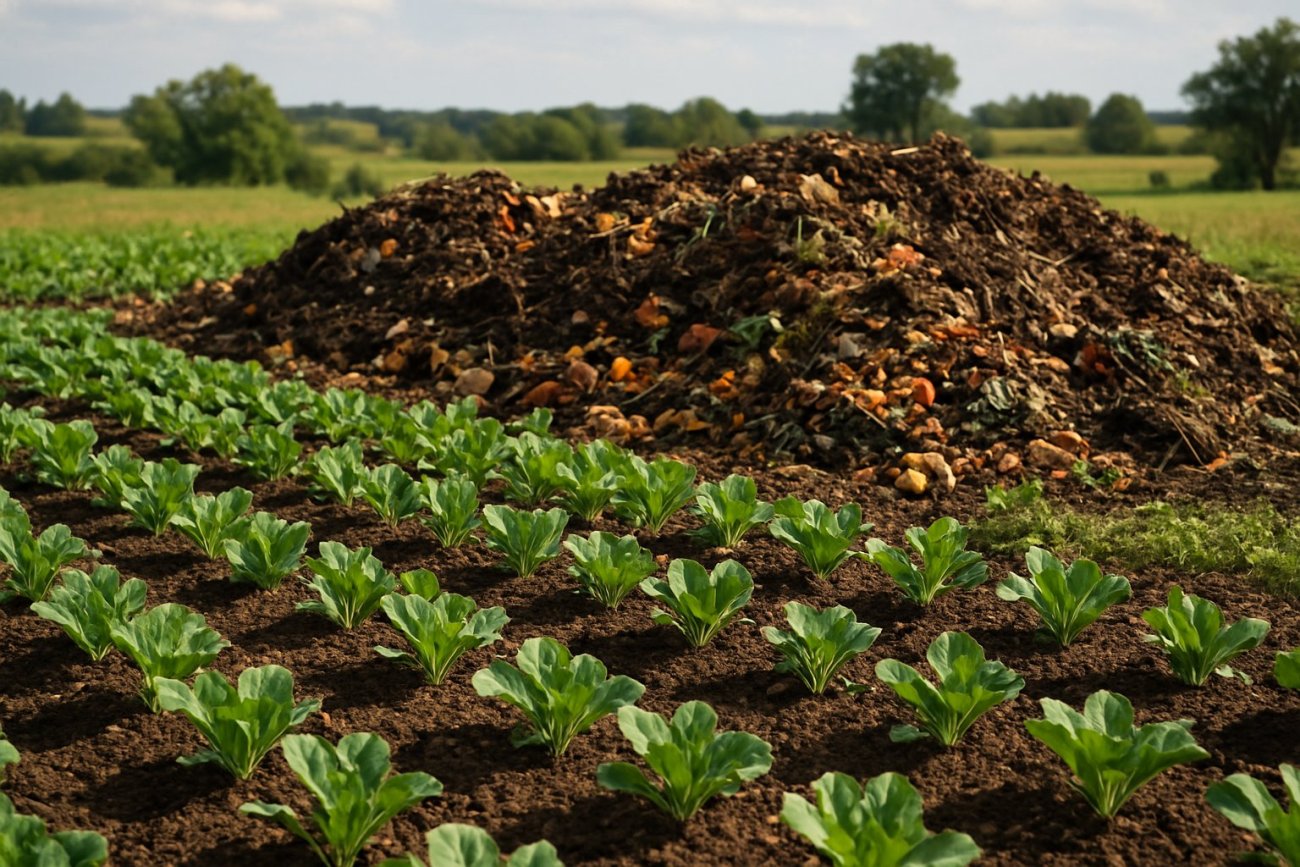
A farmer in Meru has transformed food waste into a lucrative livestock business, generating a monthly income of Sh600,000. This innovative approach not only provides financial stability for the farmer but also addresses the pressing issue of food waste in the region.
The farmer, whose identity has not been disclosed, has utilized discarded food products that would otherwise contribute to environmental degradation. By repurposing this waste as feed for livestock, the farmer has successfully created a sustainable business model that benefits both the economy and the environment. This initiative is particularly significant in a country where food insecurity and waste management are critical issues.
In Kenya, a significant portion of food produced is wasted, with estimates suggesting that up to 30% of food goes uneaten. This waste occurs at various stages of the supply chain, from production to consumption. The Meru farmer's strategy not only reduces this waste but also provides a cost-effective solution for livestock feeding, which is a major expense for many farmers.
The economic impact of this initiative extends beyond the farmer alone. By creating a profitable business from food waste, the farmer has set a precedent for others in the agricultural sector. This model encourages more farmers to adopt similar practices, potentially leading to a broader movement towards sustainable agriculture in Kenya.
Moreover, the farmer's success has inspired local communities to rethink their approach to food waste. Educational programs and workshops are being organized to teach other farmers about the benefits of utilizing food waste. This shift in mindset is crucial as it aligns with global sustainability goals, including reducing food waste and promoting responsible consumption.
The financial success of the Meru farmer has also attracted the attention of investors and agricultural organizations. They recognize the potential for scaling this business model across different regions in Kenya, which could significantly enhance the livelihoods of many farmers. Investment in such innovative agricultural practices could lead to increased productivity and economic growth in the sector.
Additionally, the farmer's initiative highlights the importance of entrepreneurship in driving economic development. By identifying a gap in the market and addressing it creatively, the farmer has not only improved their own circumstances but has also contributed to the local economy. This entrepreneurial spirit is essential for fostering innovation and resilience in the agricultural sector.
As the government continues to promote policies aimed at boosting the agricultural sector, the success of this farmer serves as a case study for sustainable practices that can be adopted nationwide. The emphasis on reducing food waste aligns with national priorities, including food security and environmental sustainability.
For Kenyans living abroad, the story of this Meru farmer resonates as it reflects the potential for innovation and economic growth within the country. Many in the diaspora are keen to support initiatives that lead to sustainable development back home. The farmer's success could inspire similar projects that leverage local resources and address pressing challenges while providing financial benefits.
Overall, the Meru farmer's journey from food waste to a thriving livestock business underscores the transformative power of entrepreneurship in agriculture. As more farmers adopt similar practices, the potential for economic growth and sustainability in Kenya’s agricultural sector becomes increasingly promising.




Comments
No comments yet — be the first.