
Ole Kasasi’s Property Boom: How a Pastoral Settlement Became a Estate Hotspot
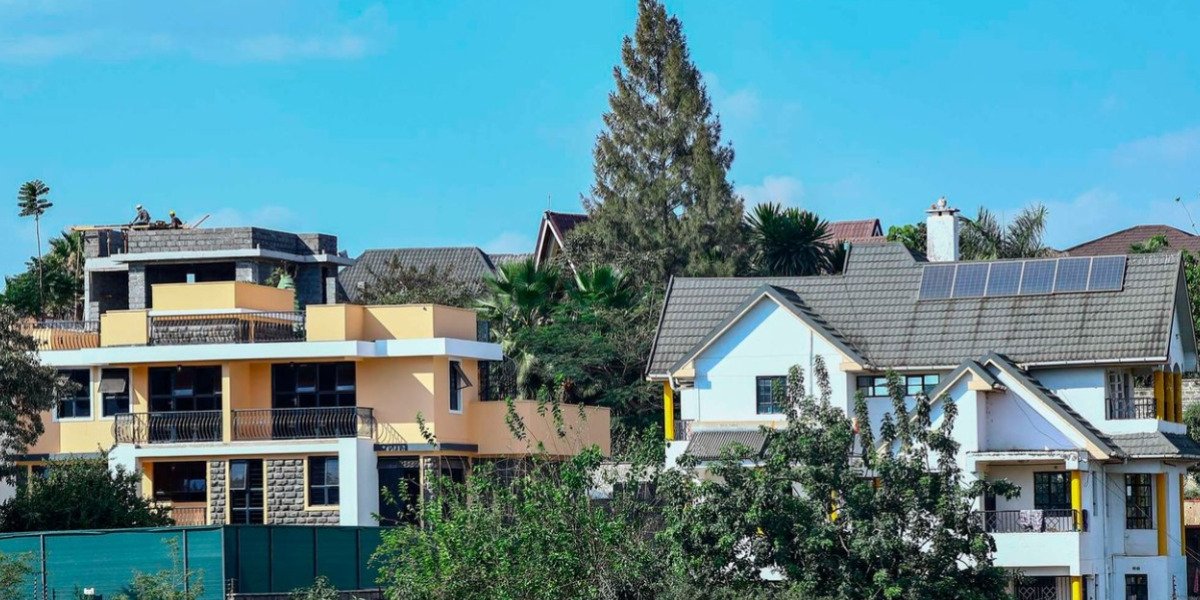
Ole Kasasi in Kajiado County is experiencing a rapid rise in property development, with increasing demand for homes and land driving up prices across the area.
Construction sites, apartment blocks and gated estates now stand alongside older family homes, open land and livestock. Small businesses have also expanded along the roads, while students, young families and property investors have helped create demand ranging from modest rental units to homes worth tens of millions of shillings.
The transformation has accelerated over the past two decades. The area was previously known as Erangau, or Rangau, and was largely occupied by Maasai pastoralists. Land seller Teketi Kimunyak said the area's modern settlement began to take shape after a tract of nearly 1,000 acres was subdivided and sold, allowing more people to settle there.
Development from neighbouring Rongai further accelerated the change. As roads, commercial centres, hospitals and educational institutions expanded towards Kajiado East, Ole Kasasi became more closely linked to the wider Nairobi metropolitan property market.
African Nazarene University has also contributed to demand, particularly for accommodation for students and young residents. The rise in land prices is one of the clearest signs of the area's transformation.
Kimunyak recalled that about 15 years ago, an acre could sell for between Sh300,000 and Sh500,000. Today, prime parcels can fetch up to Sh30 million, while land further inside the neighbourhood is being quoted at between Sh16 million and Sh20 million an acre.
Eighth-acre plots around the university and towards Maasai Lodge are selling for about Sh3.5 million to Sh5 million. The demand is partly driven by buyers looking for larger compounds, standalone houses, greenery and quieter surroundings while remaining within reach of Nairobi.
Real estate agent Linda Mokeira said the area is attracting Nairobi residents seeking alternatives to more congested neighbourhoods. Kenyans living abroad are also investing in property there. The property market serves both high-income buyers and a growing student population.
Four-bedroom homes in gated developments sell for about Sh25 million to Sh35 million, while larger standalone houses can reach Sh50 million. At the lower end, students support demand for bedsitters, hostels and smaller apartments.
Rental prices reflect this broad market.
One-bedroom units generally rent for between Sh10,000 and Sh25,000 a month, while modern two-bedroom properties can cost more than Sh35,000. Three-bedroom houses rent for about Sh50,000, with properties in gated communities reaching Sh75,000. Some larger or better-equipped homes command as much as Sh100,000 a month.
The construction boom has also created opportunities for businesses outside the property sector. Hardware shops are benefiting from demand for cement, pipes, tiles, toilets and other building and finishing materials. Transport operators, construction workers and other service providers are also benefiting from the area's expansion.
However, infrastructure has not always kept pace with development. Residents face concerns over inadequate sewerage, unreliable water supplies and a lack of clear zoning rules governing the type and scale of buildings allowed in different parts of the neighbourhood. Many households rely on boreholes to supplement their water supply.
These challenges could become more significant as land values continue to rise. Without clearer development controls, homeowners may have limited certainty about future construction around their properties. Infrastructure designed for a smaller population could also face increasing pressure.
The area's urbanisation has also changed its environment and cultural character. Kimunyak recalled a time when wildlife encounters were common for Maasai residents. Increased settlement has reduced the presence of much of that wildlife, although pastoralism remains visible, with some residents still moving through the area with their herds.
Ole Kasasi is now firmly part of Nairobi's expanding metropolitan property market. Rising land prices, new housing and growing commercial activity are reshaping the neighbourhood, while the open spaces and quieter surroundings that attracted many buyers are gradually giving way to denser development.





Comments
No comments yet — be the first.