
U.S. to Withdraw 200 Troops Sent to Nigeria Under Trump
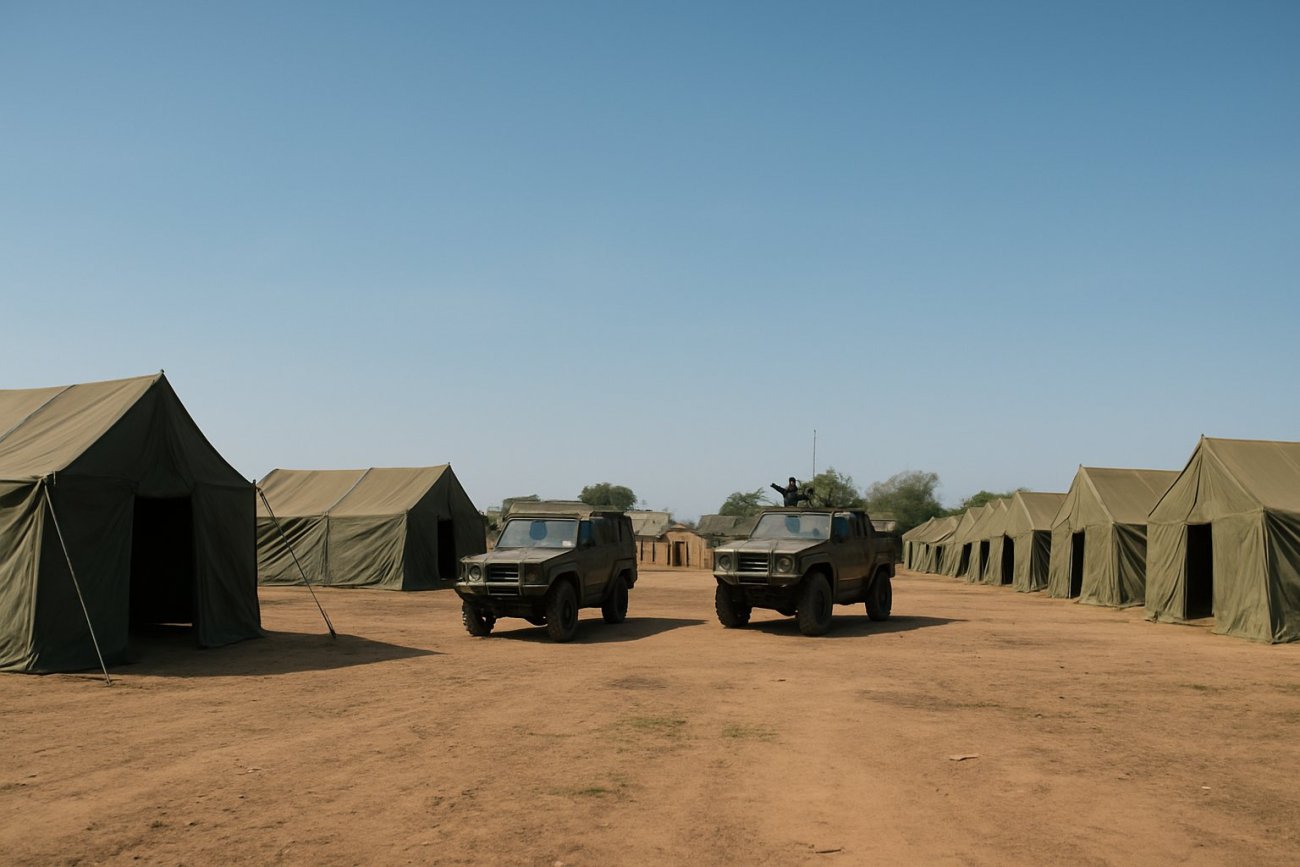
The United States is set to withdraw 200 troops from Nigeria, a deployment initially ordered during the first term of President Donald Trump, as confirmed by officials on Monday. This decision comes amidst ongoing security challenges in the West African nation, where terrorist activities continue to pose significant threats. The move marks a shift in U.S. military strategy in the region, focusing on a more flexible and scalable approach to counterterrorism operations.
"Our priority remains to assist Nigeria in its fight against terrorism and to ensure a stable and secure environment for its citizens," stated a senior U.S. defense official. "However, it is essential to adapt our strategies to the evolving security landscape." The withdrawal reflects a broader reevaluation of resource allocation as the U.S. seeks to optimize its military commitments globally.
The troops, primarily tasked with providing training and advisory support to Nigerian forces, were part of a larger initiative to enhance regional security under the Trump administration. Their presence has been pivotal in supporting local efforts to combat extremist groups, including Boko Haram and the Islamic State's West Africa Province (ISWAP), both of which have been responsible for numerous deadly attacks in recent years.
Despite the planned withdrawal, Pentagon officials have emphasized that the U.S. remains committed to supporting Nigeria through other means, including intelligence sharing, equipment provision, and ongoing diplomatic engagement. "This decision does not signal a reduction in our commitment to Nigeria or the region," asserted the U.S. Secretary of Defense. "We will continue to work closely with our Nigerian counterparts to address the security challenges they face."
In Nigeria, the situation remains tense as terrorist factions continue to target civilian populations and military personnel alike. According to the Nigeria Security Tracker, a project of the Council on Foreign Relations, over 350 individuals have been killed in terrorist attacks within the country since the beginning of this year alone. These ongoing attacks underscore the persistent threat posed by militant groups and the need for effective counterterrorism strategies.
Nigerian President Muhammadu Buhari, who has been at the helm of efforts to quell the insurgency, has often highlighted the importance of international collaboration in addressing the multifaceted security issues plaguing the nation. "Security is a global challenge that requires a global response," President Buhari has previously noted, underscoring the significance of partnerships with key allies like the United States.
The decision to withdraw U.S. troops has prompted discussions on the potential implications for regional stability. Analysts suggest that while the withdrawal represents a tactical adjustment, it also places greater responsibility on Nigerian forces to continue their fight against insurgency with less direct support. However, the continuation of U.S. aid in other forms may mitigate potential gaps left by the troop withdrawal.
As the situation develops, both Nigeria and its international partners remain vigilant in their efforts to counter terrorism and promote peace and security in the region. The U.S. government's approach, though evolving, underscores a commitment to long-term stability and cooperation with African nations facing similar security challenges.





Comments
No comments yet — be the first.