
Kenya’s Milk Supplies Fall 3.7% as Dry Weather Cuts Production
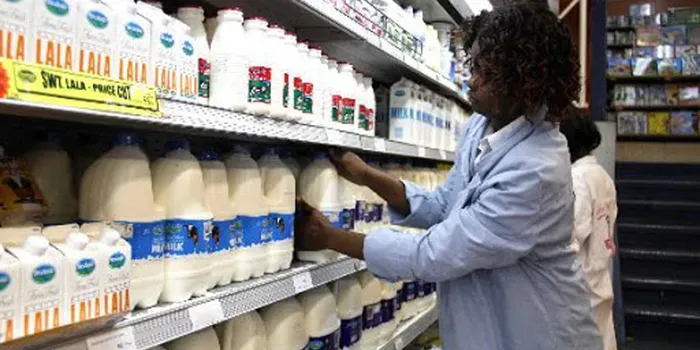
Milk supplies have tightened in some parts of Kenya, with the Kenya Dairy Board (KDB) reporting reduced availability of some brands and pack sizes.
Formal milk deliveries to processors fell by 3.7 percent, from 84.4 million litres in June to 81.3 million litres in July 2026. Preliminary assessments indicate that deliveries may have declined further in August.
The KDB attributed the decline to dry and cold weather in key milk-producing areas. The conditions have reduced pasture growth and fodder supplies, limiting milk production among dairy farmers.
Market surveillance by the regulator found that pasteurised milk has been most affected. Retail stocks have been inconsistent, with some outlets experiencing delays in replenishment.
Extended shelf-life (ESL) and ultra-heat treated (UHT) milk have remained more readily available, helping to maintain supplies despite the decline in fresh milk production. The KDB expects the situation to improve later in the year as rainfall increases.
Meteorological forecasts indicate improved rainfall during the October-November-December (OND) season, which is expected to restore pasture and fodder supplies. KDB Managing Director Dr William Maritim said the improved conditions should support a recovery in milk production and supply.
Farmers have called for government support as declining yields affect their incomes. In response, authorities are implementing measures to strengthen the dairy value chain, including the procurement and distribution of milk coolers to improve milk aggregation and preservation.
The government is also supporting herd improvement programmes, including the provision of subsidised sexed semen to improve productivity and the genetic quality of dairy herds.




Comments
No comments yet — be the first.