
Violence Erupts During Orengo's Impromptu Tour in Migori as Vehicle is Torched
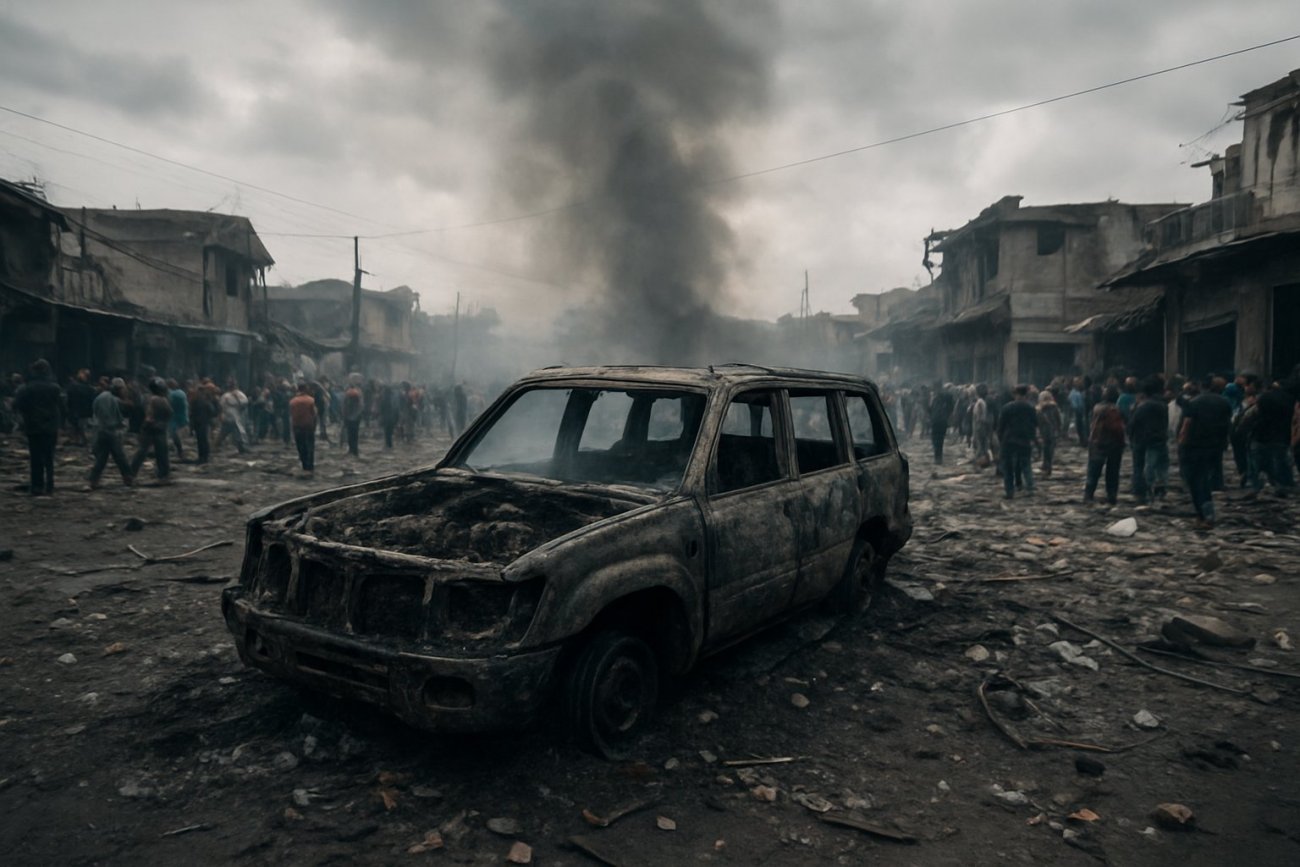
In Migori County, Kenya, an impromptu tour by politician Orengo was abruptly disrupted when his vehicle was set ablaze amid escalating tensions. The incident has drawn significant attention, highlighting the ongoing violence and unrest surrounding political figures in the region.
Details about the circumstances leading to the vehicle being torched remain limited. However, reports indicate that the disruption during Orengo's tour was marked by chaos, prompting immediate reactions from various political factions and leaders. The attack has raised concerns about the safety of politicians in Kenya, especially during public engagements.
Political violence in Kenya is not uncommon, particularly as the country approaches key electoral periods. Historically, political tensions often manifest in violent confrontations, and this latest incident serves as a stark reminder of the challenges faced by public figures in maintaining order and safety during their activities.
The attack on Orengo's vehicle has sparked condemnation from various political leaders, who are calling for an immediate investigation into the incident. The political climate in Kenya has been increasingly polarized, with different groups vying for power and influence. Such violence can have far-reaching implications, not only for the individuals directly involved but also for the broader political landscape.
Orengo, a prominent figure in Kenyan politics, has been vocal about various issues affecting the local populace. His tours typically aim to engage with constituents and address their concerns. However, the recent violence may deter other politicians from pursuing similar outreach efforts, fearing for their safety and the potential for escalated conflict.
As the situation develops, the implications for governance and public trust in political representatives are significant. Political analysts are observing these events closely, as they may influence voter sentiment and participation in upcoming elections. The safety of politicians and their ability to connect with the electorate is crucial for the health of Kenya's democracy.
The attack has also led to discussions about the need for enhanced security measures for political figures in Kenya. As violence against politicians becomes more frequent, the government and law enforcement agencies may need to reassess their strategies for ensuring the safety of those in public office.
This incident comes at a time when political tensions are already high in the country, with disputes over resource allocation, job distribution, and representation becoming increasingly contentious. The public's reaction to such violence may also be influenced by broader issues of governance and accountability, prompting calls for reform and change within the political system.
As the nation grapples with the implications of this violent act, the need for dialogue and conflict resolution becomes ever more pressing. Political leaders and citizens alike must work towards fostering a more peaceful environment where political discourse can occur without fear of violence.


Comments
No comments yet — be the first.