
US and Iran trade retaliatory attacks on ships as conflict flares
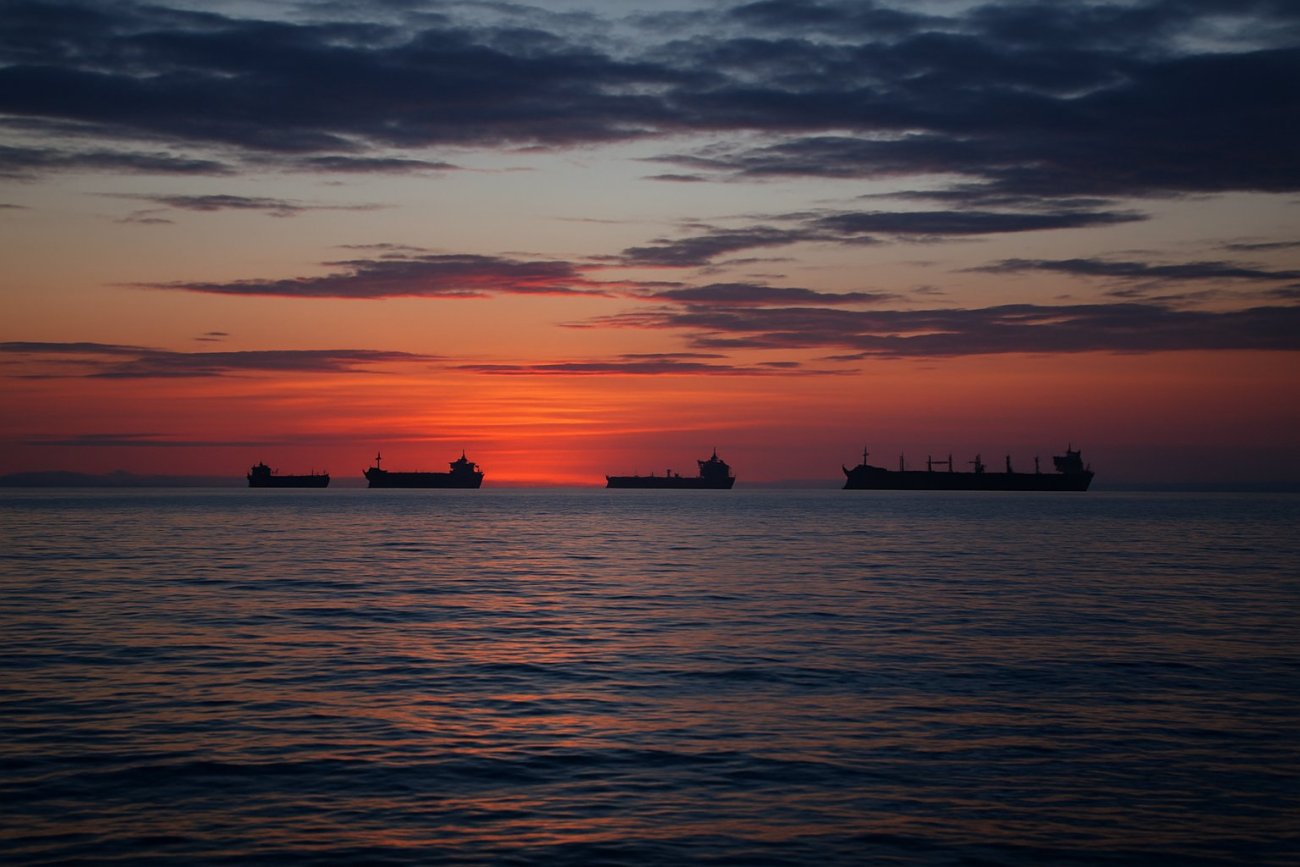
In a significant escalation of tensions, the United States and Iran have engaged in retaliatory attacks on maritime vessels, marking another flare-up in their longstanding conflict. The United States reported targeting three Iranian oil tankers in a move that underscores ongoing disputes over sanctions and regional security. In response, Iran claimed to have struck three US-linked ships, signaling a tit-for-tat escalation that raises concerns over maritime security in the volatile region.
The attacks occurred amidst heightened geopolitical tension, exacerbated by longstanding issues including Iran's nuclear program and US sanctions that continue to impact Iran's economy. The strategic waterways surrounding the area, crucial for global oil shipments, have often been flashpoints for conflict between the two nations. The latest incidents come against the backdrop of stalled diplomatic negotiations aimed at reviving the Joint Comprehensive Plan of Action (JCPOA), the nuclear deal that Iran signed with world powers in 2015.
The retaliatory actions have sparked international concern over the potential for a broader military conflict, as both nations maintain significant naval presences in the region. The Strait of Hormuz, through which a significant portion of the world's oil passes, remains a critical chokepoint that could disrupt global oil supply lines if the situation escalates further.
For developing nations, particularly those in Africa that rely heavily on oil imports, any significant disruption in the Strait of Hormuz could lead to increased oil prices, affecting economies and day-to-day life. The African continent, which is already grappling with economic challenges, could face further strain should the conflict lead to extended disruptions in energy supplies.
As tensions escalate, the international community is closely monitoring the situation. The United Nations and various other entities have previously called for restraint and dialogue to resolve conflicts peacefully. However, with both nations entrenched in their positions, the likelihood of immediate diplomatic resolutions appears slim.
The international maritime and shipping industries will also be on alert, considering the threats to commercial operations in the Middle Eastern waters. As the conflict continues to unfold, stakeholders will be watching for any new developments that could further impact regional stability and global economic conditions.




Comments
No comments yet — be the first.