
IRGC attacks US unmanned vessel in Hormuz; two ships hit off Oman
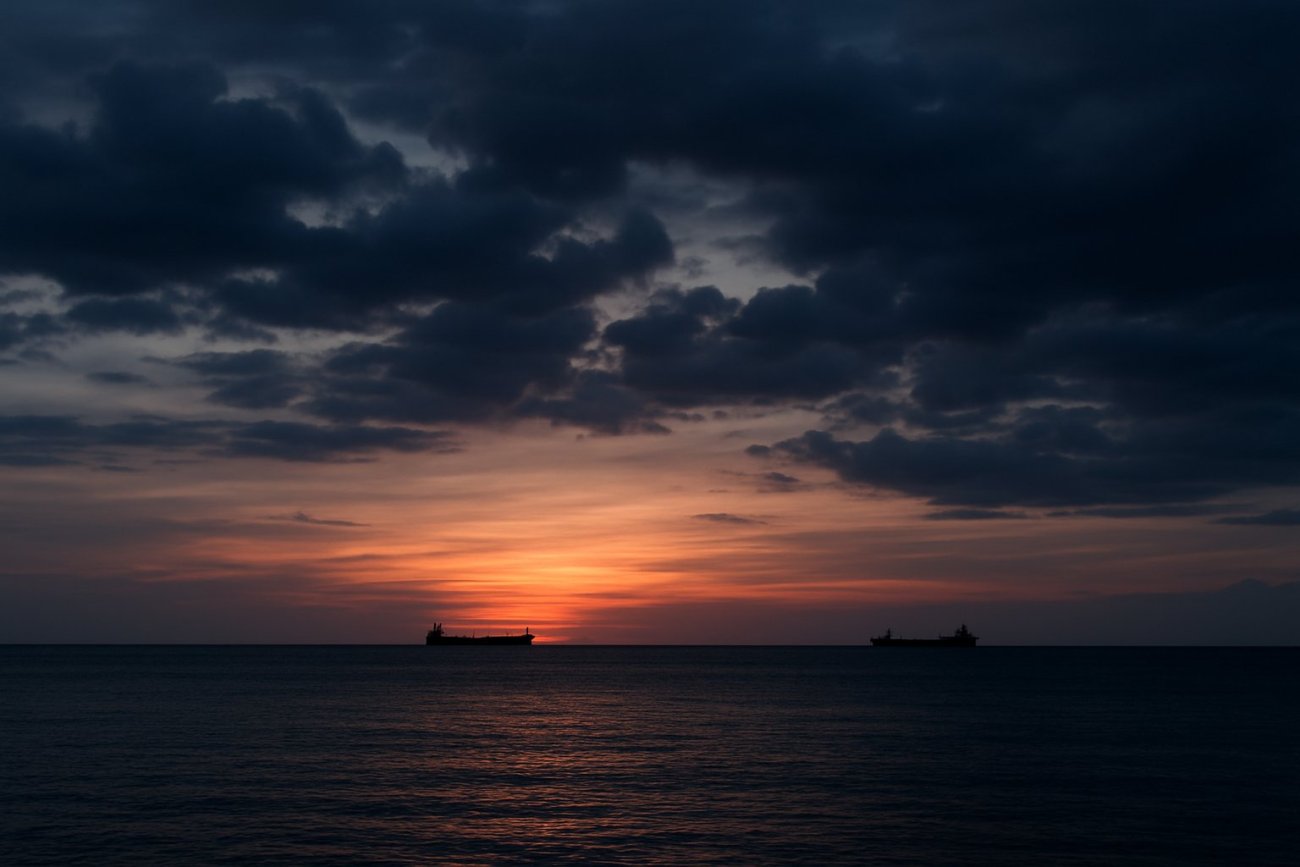
The Islamic Revolutionary Guard Corps (IRGC) has claimed responsibility for an attack on a U.S. unmanned vessel in the Strait of Hormuz, a critical maritime chokepoint located between Iran and Oman. This incident marks a significant escalation in tensions within the region, where maritime security has been increasingly precarious.
According to reports from the United Kingdom Maritime Trade Operations (UKMTO), projectiles also struck two additional ships off the coast of Oman. The exact details regarding the vessels affected and the nature of the damage remain unclear, but the developments have raised alarms about the safety of commercial shipping in one of the world’s busiest maritime routes.
The Strait of Hormuz is a vital passage for global oil shipments, with a substantial percentage of the world’s petroleum passing through this narrow waterway. The IRGC's actions come at a time of heightened geopolitical tensions, particularly between Iran and the United States, following a series of confrontations and military posturing in the region. The U.S. has maintained a significant military presence in the area, aimed at deterring Iranian aggression and ensuring the free flow of commerce.
This attack follows a broader context of conflict involving Iranian-backed forces, including the recent seizure of a strategic port in the Red Sea by the Houthis, an Iran-aligned militia in Yemen. This victory has bolstered their capabilities to threaten maritime traffic, further complicating the security landscape in the region.
The implications of these developments are profound, not only for international shipping and energy markets but also for African nations that rely on stable oil prices and secure trade routes. For the Kenyan diaspora, the rising tensions could lead to increased oil prices, affecting economic conditions back home and potentially influencing remittance flows. The situation underscores the interconnectedness of global events and their impact on local economies, particularly in regions dependent on oil imports.
As the situation unfolds, analysts are closely monitoring how these events will influence U.S. foreign policy, especially in light of upcoming elections. President Donald Trump has previously suggested that Iran's actions are aimed at disrupting the electoral process, indicating that the geopolitical landscape may become even more volatile as November approaches.
With the IRGC's assertion of responsibility and the attack on commercial vessels, the risk of further military engagement in the region looms large. The international community, including key players in Africa and beyond, will be watching closely as the situation develops, aware that the ramifications of such conflicts often extend far beyond the immediate geographical area.





Comments
No comments yet — be the first.