
Africa's richest man helps fund $660m fuel pipeline between Ethiopia and Djibouti
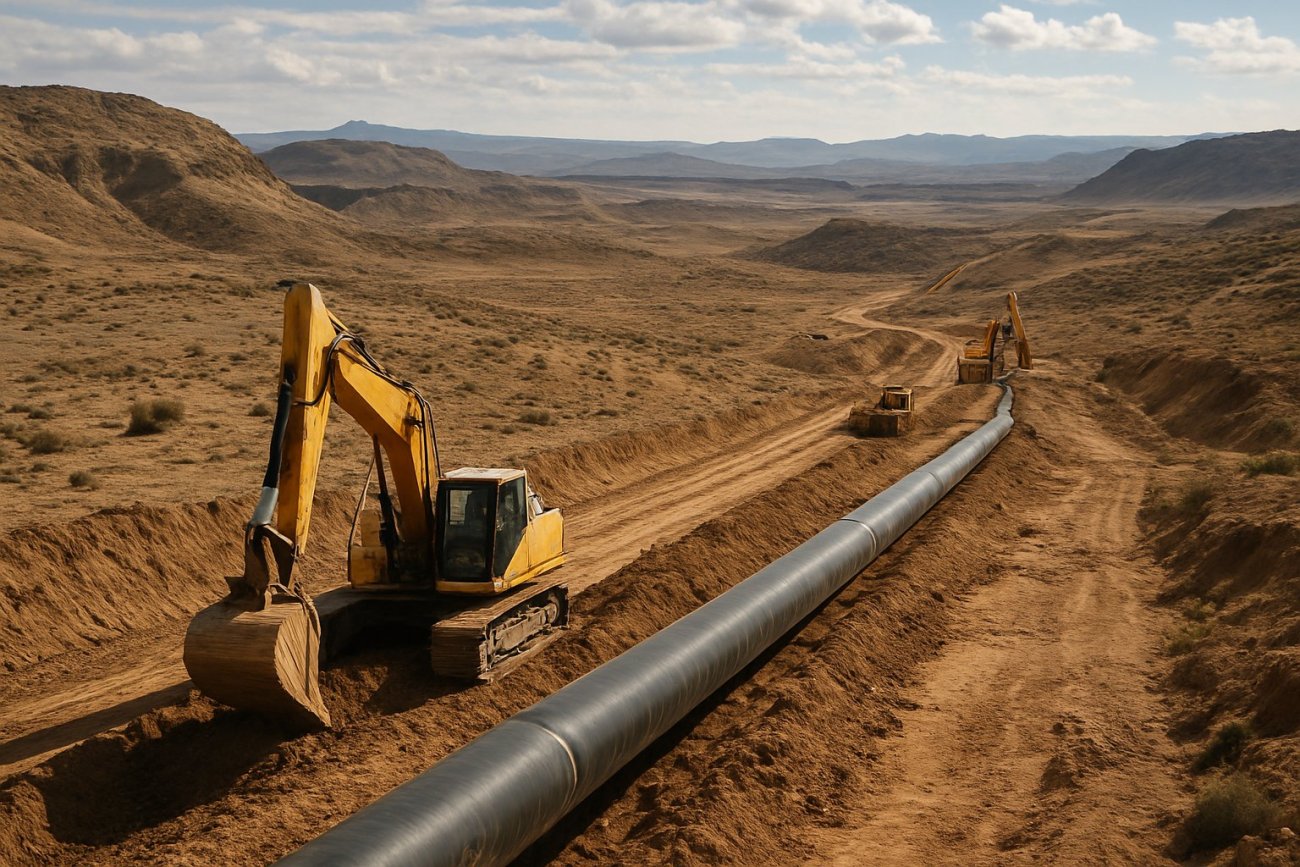
A transformative development is set to enhance energy infrastructure in the Horn of Africa, as Africa's richest man joins forces to fund a significant $660 million fuel pipeline project between Ethiopia and Djibouti. This ambitious endeavor promises to bolster energy security in landlocked Ethiopia while fostering economic growth by creating employment opportunities at Djibouti's bustling port.
The strategic fuel pipeline, which aims to facilitate the transportation of refined fuel from Djibouti's port to Ethiopia's capital, Addis Ababa, spans approximately 550 kilometers. This initiative is crucial for Ethiopia, a rapidly developing nation that has faced considerable challenges in securing a stable energy supply to meet its growing industrial and consumer demands.
Funding for the project has seen involvement from key stakeholders who recognized the potential benefits it could bring to the region. The collaboration underscores a commitment to enhancing regional cooperation and advancing infrastructure development, a critical component for achieving sustained economic growth in Africa.
Djibouti, strategically located at the crossroads of several major shipping lanes, stands to benefit significantly from the pipeline. By serving as the primary transit point for Ethiopia's fuel imports, the project is poised to create numerous jobs and stimulate economic activities at the port. The pipeline enhances the region's logistical capabilities, potentially attracting further investment and development opportunities.
This undertaking also signifies a broader trend of infrastructural investment aimed at fostering economic resilience in Africa. By improving access to essential resources, such projects contribute to reducing energy costs and enhancing the overall competitiveness of local industries. For developing nations, such infrastructure development is pivotal in improving living standards and promoting sustainable economic progress.
The completion of this pipeline is expected to have far-reaching implications for energy distribution in the region. It highlights the importance of strategic infrastructure investments in addressing key challenges faced by developing economies, such as energy scarcity and economic diversification.






Comments
No comments yet — be the first.