


Fifty-Nine Ethiopians, Including Four-Year-Old Child, Rescued in Kenya's Marsabit Anti-Smuggling Operation
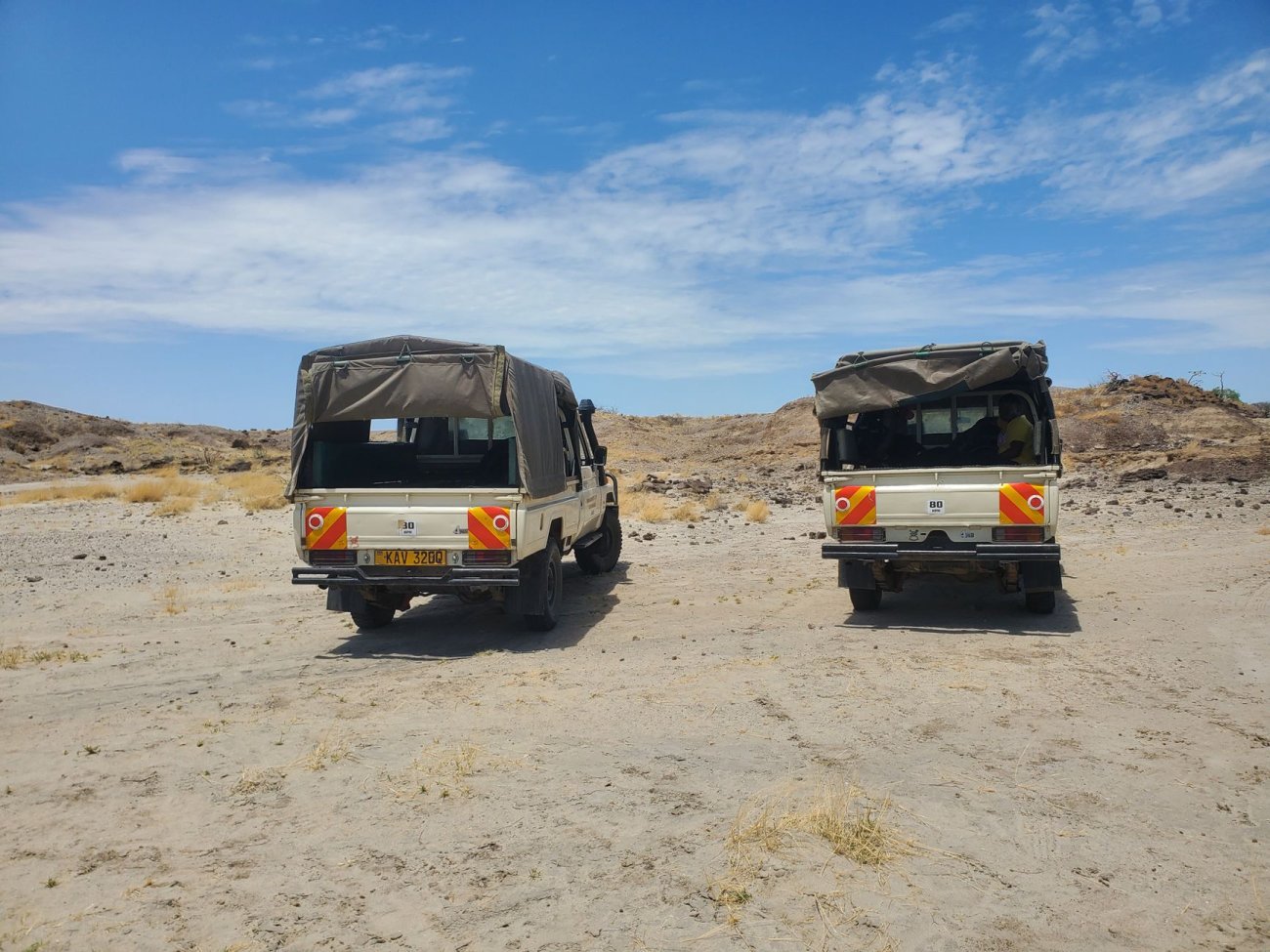
Kenyan police have rescued 59 Ethiopian nationals, among them a four-year-old child, in a multi-agency security operation that targeted suspected human smuggling in Marsabit County, a vast region on Kenya's northern frontier with Ethiopia. The rescue was reported on October 26, 2026, by Nairobi-based broadcaster Capital FM Kenya, which attributed the operation to police.
Police described the action as a multi-agency operation, a term Kenyan authorities use when more than one security or law-enforcement body takes part in a single mission, and said it was directed at suspected human smuggling. All 59 of those rescued were Ethiopian nationals, and the police account noted that the group included a four-year-old child.
Marsabit County sits directly on the international boundary between Kenya and Ethiopia, and the overland corridor that crosses it has long formed part of the route used by people moving from the Horn of Africa toward the south of the continent. The county is among the largest in Kenya by land area, its county seat lies hundreds of kilometres from the capital Nairobi, and much of its territory is remote rangeland. Crossing points in the region connect Ethiopian territory to the Kenyan road network leading southward.
Human smuggling, the offence at the centre of the operation, involves the facilitation of irregular border crossings in exchange for payment, and it is distinguished in international usage from trafficking in persons, which involves coercion or exploitation. The police account framed the Marsabit action as a strike against suspected smugglers rather than against the people being moved, and all 59 Ethiopians were recorded as rescued, with no indication that any of them faced arrest.
The four-year-old child was the only member of the group described individually in the information released. No further details were given about the composition of the group beyond its size of 59 and the nationality of its members, and police did not describe the conditions in which the Ethiopians were found, where in the county they were located, or whether the child was travelling with relatives.
The Capital FM Kenya report, filed from Nairobi, did not state whether any suspected smugglers were detained during the operation. It named no suspects, identified no individual units beyond the general reference to a multi-agency composition, and gave no specific locality within Marsabit County where the rescue took place.
Matters left unresolved by the police account included the immediate welfare arrangements for the 59 Ethiopian nationals, the legal processing they would undergo, the prospect of repatriation to Ethiopia, and whether prosecutions would be brought against anyone suspected of organising the movement. Repatriation of rescued foreign nationals ordinarily involves liaison between the countries concerned. The information released addressed none of these points.
Ethiopia and Kenya share one of the longest land borders in East Africa, and cross-border movement between the two countries, documented and undocumented alike, is a long-standing feature of the region. The Marsabit operation recovered 59 people from suspected smugglers in a single action, according to the police account, which identified the rescued group as 59 Ethiopian nationals including a four-year-old child.



Comments
No comments yet — be the first.