


Kenya to Discharge 46 Ebola Contacts From Quarantine on November 3
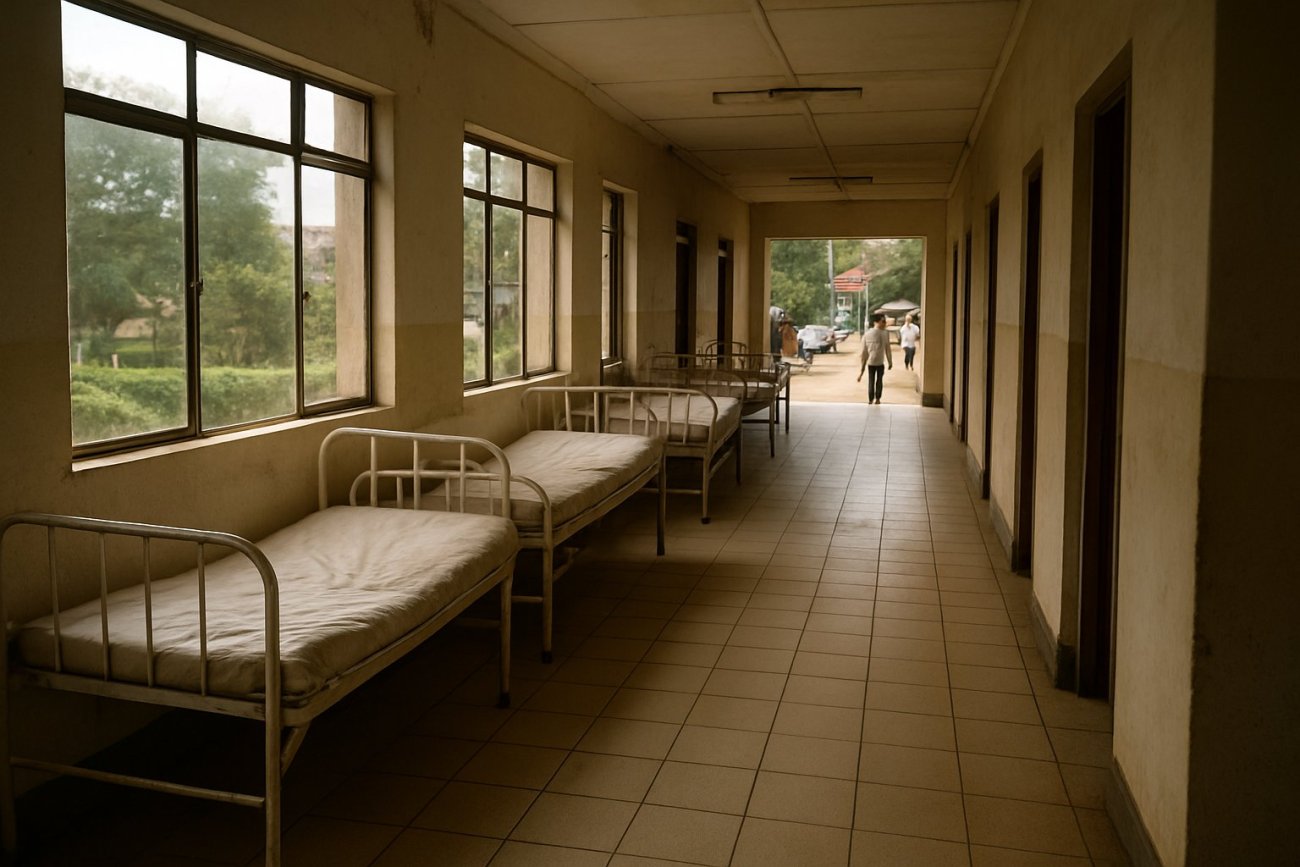
Forty-six people quarantined in Kenya after being identified as Ebola contacts are set to be discharged on November 3, 2026, once they complete the required monitoring period, Public Health Principal Secretary May Muthoni has announced in Nairobi.
Muthoni, who holds the public health docket at Kenya's Ministry of Health, said the 46 contacts under quarantine are expected to be released on November 3 after completing the observation window that health authorities apply to anyone exposed to the virus. Her statement, made in Nairobi and reported on October 31, 2026, came three days before the scheduled discharge and fixed a firm end date for the quarantine phase covering the group.
The November 3 date reflects the practice at the heart of Ebola containment worldwide. Contacts of a case are separated from the wider community and observed for the full monitoring period, and discharge comes only at the end of that window. Under standard protocols, any contact who develops symptoms during observation is tested and moved to isolation for treatment, while those who remain well through the complete period are released. Health teams typically draw up lists of everyone exposed to a case and follow each person through the observation window, a discipline designed to catch infections early and break chains of transmission before the virus spreads further.
Quarantine in this context applies to people who were exposed to the disease but are not themselves confirmed to be ill, a measure distinct from the isolation used for confirmed patients. The 46 people covered by Muthoni's announcement fall into that category: they have been held under observation in Kenya, and their release on November 3 is tied to completing the required monitoring period rather than to any treatment outcome.
Ebola virus disease is a severe viral haemorrhagic fever transmitted through direct contact with the blood, secretions or other bodily fluids of infected people, and with the bodies of those who have died of the infection. Symptoms commonly include fever, fatigue, muscle pain and vomiting, with unexplained bleeding in some patients, and early supportive care improves the chances of survival. Global responses to the disease rest on a standard package of measures, including isolating patients, tracing and quarantining their contacts, conducting safe and dignified burials and engaging affected communities, and the observation of the 46 contacts in Kenya sits squarely within that framework.
Muthoni's announcement also landed amid a wave of false information about the disease circulating online. The fact-checking organisation Africa Check reported that Kenya's health minister did not announce an impending Ebola lockdown, knocking down claims that had spread across social platforms. Muthoni's statement, by contrast, set out specific and verifiable facts: 46 contacts, one monitoring period and a single discharge date of November 3.
Attention now turns to the first days of November, when the 46 contacts in Kenya complete their monitoring period and are due to leave quarantine. Updates on the completion of the observation window, and on the wider state of Kenya's Ebola response, are expected from the Ministry of Health as the November 3 discharge date approaches.




Comments
No comments yet — be the first.