


CAF Drops Four-Year Plan: Africa Cup of Nations to Stay on Two-Year Cycle
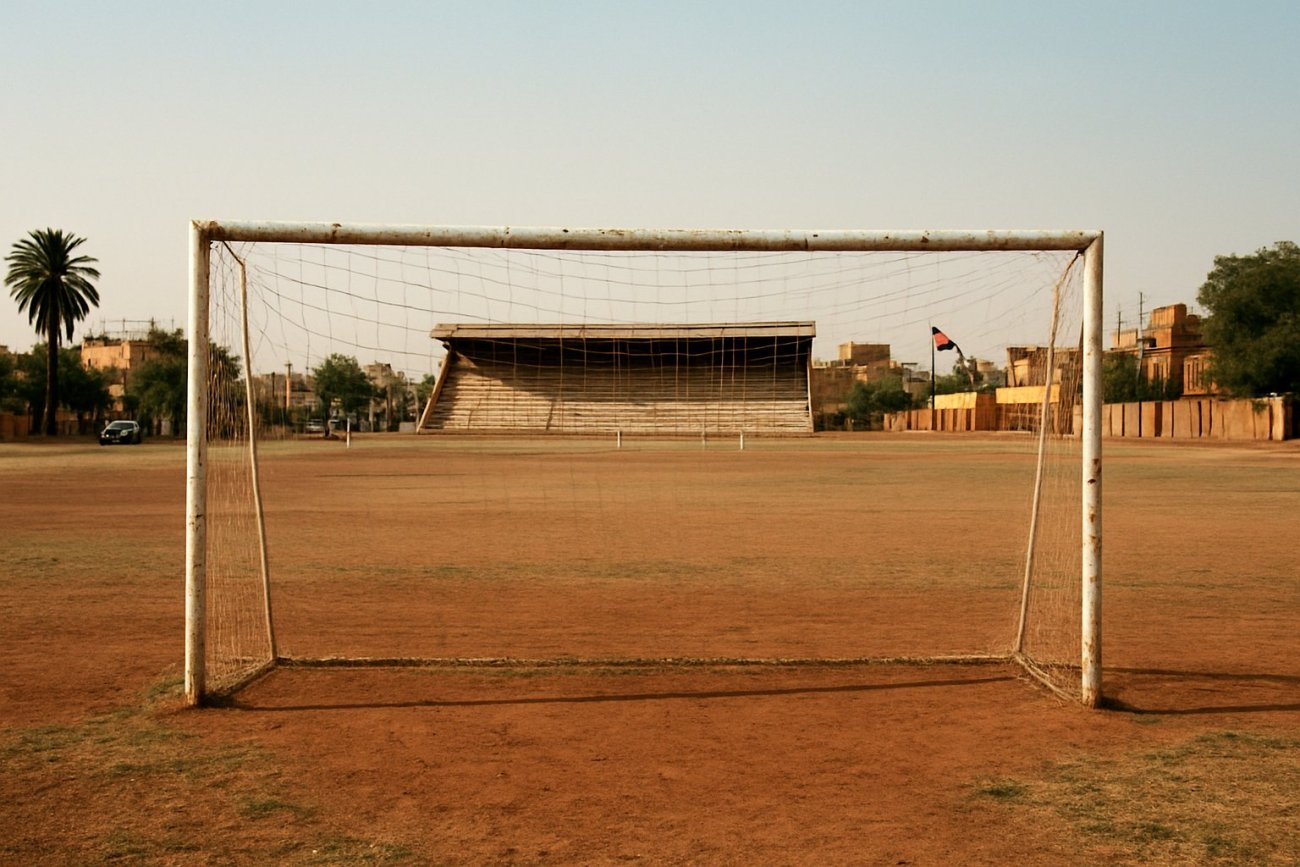
The Africa Cup of Nations will remain on a two-year cycle after the Cairo-based Confederation of African Football abandoned plans to stage the tournament every four years, reversing a decision taken in December 2025. The U-turn, reported by the BBC, preserves the cadence that has governed the continent's flagship national team competition since 1968.
The December 2025 decision had proposed one of the most significant scheduling changes in the tournament's history, a shift onto the four-year rhythm of the FIFA World Cup and the expanded FIFA Club World Cup, which was launched in a 32-team format in 2025. A quadrennial Africa Cup of Nations would have halved the number of finals staged each decade and reduced the frequency with which African nations host the tournament.
The competition, first played in 1957 in Khartoum, Sudan, with only three teams in Egypt, Sudan and Ethiopia, predates the UEFA European Championship, which began in 1960. Egypt beat Ethiopia 4-0 in the final of that first edition and remains the tournament's most successful nation. The Confederation of African Football was itself founded in 1957, and the two-year cadence was fixed in 1968, retained ever since apart from postponements during the COVID-19 pandemic.
The finals have been played in odd years since 2013 to avoid clashing with the even-year World Cup, although pandemic-related delays pushed the 2021 edition, hosted by Cameroon, into January and February 2022, and the 2023 edition, hosted by Ivory Coast, into January and February 2024. The field was expanded to 24 teams at the 2019 finals in Egypt, and Morocco staged the most recent tournament across December 2025 and January 2026.
The 2027 finals are scheduled to be staged jointly by Kenya, Tanzania and Uganda, which won the hosting rights in September 2023 through the PAMOJA bid, with matches centred on Nairobi, Dar es Salaam and Kampala. It will be the first time any of the three countries has hosted the tournament and the first finals in East Africa since Ethiopia staged them in 1976. Kenya had been due to host the 1996 edition but withdrew, with South Africa stepping in.
Retaining the two-year cycle keeps the Africa Cup of Nations among the few major continental titles, alongside the CONCACAF Gold Cup, still played every two years, and it carries practical consequences for CAF's 54 member associations. A biennial tournament doubles the hosting and commercial opportunities available per decade, distributing finals more frequently among developing football nations and the infrastructure investment that comes with them. It also means clubs in Europe's top leagues will continue to release African players for mid-season international duty roughly every second year, a long-standing source of friction between clubs and national teams.
The reversal leaves CAF to reconcile the restored calendar with an increasingly crowded global schedule that now includes a 48-team World Cup from 2026 and a quadrennial 32-team Club World Cup. Attention now turns to the 2027 finals across the three East African host nations, with a further edition due in 2029 under the reinstated two-year cycle.






Comments
No comments yet — be the first.