


Kenya Begins Registering Over 50,000 Ethiopian Refugees Fleeing Renewed Clashes in Moyale
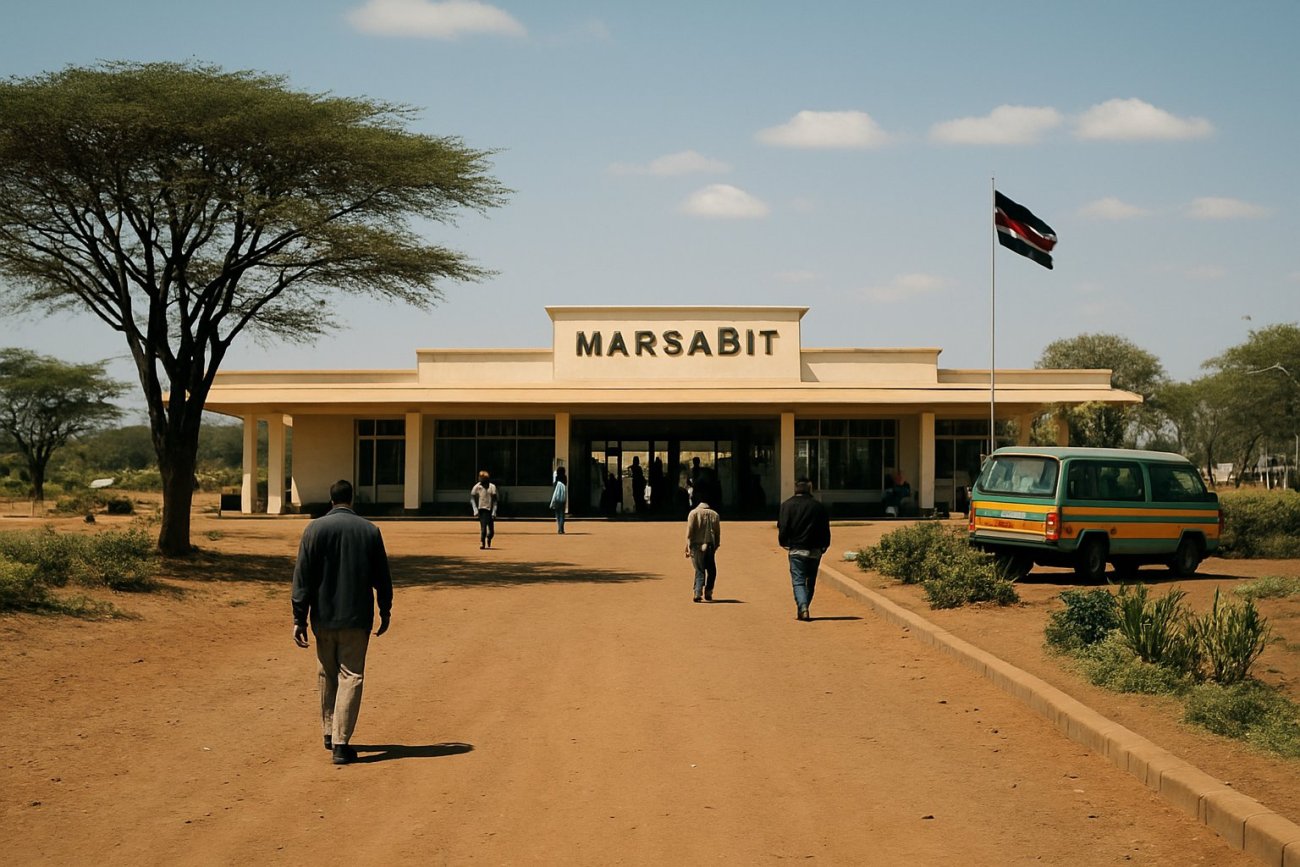
Kenyan authorities, working with the United Nations High Commissioner for Refugees (UNHCR) and the Kenya Red Cross Society (KRCS), have begun registering Ethiopian refugees fleeing renewed clashes in the border town of Moyale, with arrivals surpassing 50,000 people, Addis Standard reported from Addis Abeba. The registration exercise marks the formal launch of the humanitarian response to one of the largest cross-border movements on the Kenya-Ethiopia frontier in recent times.
Moyale lies directly on the boundary between the two countries, a twin town divided between Marsabit County on the Kenyan side and Ethiopia's southern zone, and it sits on a key road corridor linking Nairobi and Addis Ababa. The renewed fighting around the town has driven civilians across the international boundary into Kenyan territory in search of safety, with the flow of arrivals continuing as the clashes persist.
The joint registration brings together the Kenyan government, UNHCR and KRCS in a coordinated operation at the border. Registration of refugees establishes the identity, nationality and circumstances of each arrival, and it is the foundation on which protection status, food distribution, shelter allocation and health services are determined. The involvement of the Kenya Red Cross Society indicates that emergency relief capacity is being mobilised alongside the UN refugee agency's protection work, as the operation scales up to accommodate a caseload that has already passed the 50,000 mark.
The scale of the displacement is significant. More than 50,000 people crossing within the current wave of fighting means the movement has swiftly outgrown the capacity that border posts normally handle, and the pace at which the total was reached underscores the intensity of the security breakdown around Moyale. Humanitarian agencies operating at the frontier now face the task of documenting, sheltering and assisting a population the size of a substantial town.
Addis Standard, reporting from the Ethiopian capital, described the fighting as renewed, pointing to earlier rounds of violence around Moyale, an area with a history of recurrent instability. The report did not name the groups involved in the clashes, state when the latest round of fighting began, or provide casualty figures, and there was no immediate indication of any truce or de-escalation on the Ethiopian side of the border.
Kenya has for decades hosted refugees from the Horn of Africa under arrangements administered with UNHCR support, and a new influx of this magnitude at the northern frontier will test that system at a time when humanitarian budgets across the region are stretched. The Moyale movement adds to the broader pattern of forced displacement in the Horn of Africa, one of the world's most significant displacement-producing regions, and it illustrates the burden that cross-border crises place on neighbouring developing countries that receive large populations fleeing conflict.
The immediate questions ahead concern the trajectory of the arrivals, the shelter arrangements for those already registered, and whether additional humanitarian partners will join the Kenyan government, UNHCR and KRCS at the border. As of November 4, 2026, registration of the arrivals, already numbering more than 50,000, was under way at Moyale as the three entities continued their joint operation along the Kenya-Ethiopia boundary.




Comments
No comments yet — be the first.