
IEBC in Legal Dilemma Over Replacing Late ANC Nominated MP
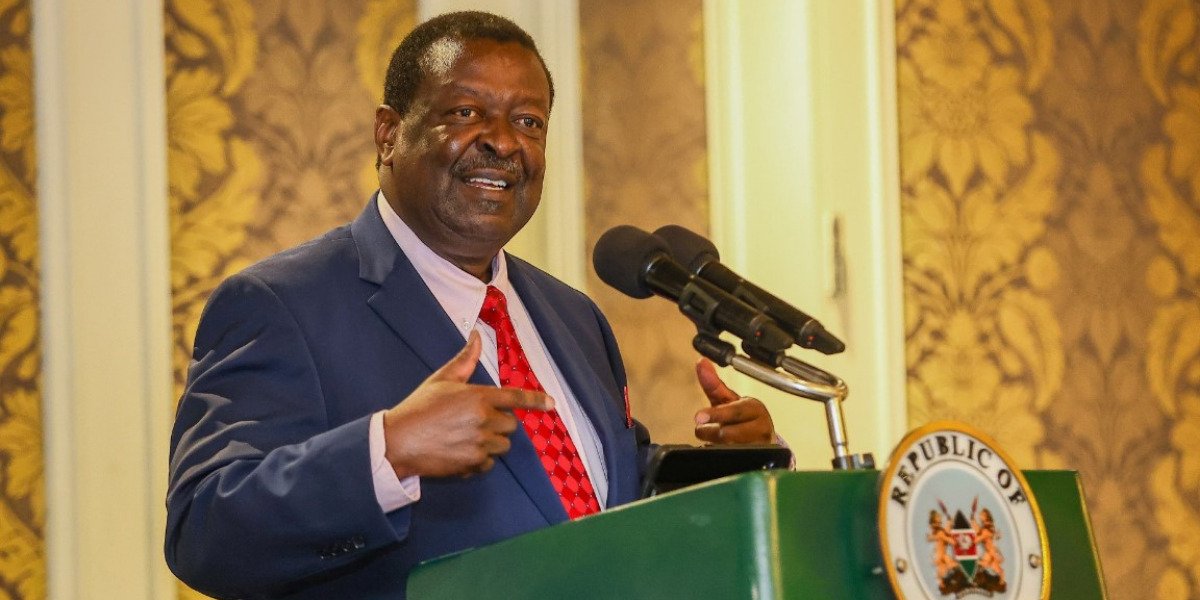
The Independent Electoral and Boundaries Commission (IEBC) is facing a legal challenge following the death of nominated Member of Parliament Joseph Denar, who passed away on 6 December after a road accident in Nairobi.
Denar, 56, had been nominated by the Amani National Congress (ANC), which dissolved earlier this year to join the United Democratic Alliance (UDA). Under normal circumstances, the replacement of a nominated MP is straightforward.
Article 101(2) of the Constitution requires the Speaker of the National Assembly to notify the IEBC and the relevant political party, with a replacement to be made within 21 days. However, the dissolution of ANC has complicated the process, as the party no longer exists, and its nominee list is void.
Although Speaker Moses Wetang’ula has not yet declared the seat vacant, the IEBC faces a key question: which party now has the right to nominate a successor? Legal experts point out that the dissolution of ANC has created a legal vacuum, with no clear provision for such a situation.
Anne Nderitu, a former Registrar of Political Parties and now an IEBC commissioner, oversaw ANC’s dissolution earlier this year. She confirmed the decision through a gazette notice in March, following a vote by ANC delegates to merge with UDA.
Legal experts, including Nairobi lawyer David Ochami, argue that the law did not anticipate such scenarios, creating a grey area that could undermine party identity under Article 91 of the Constitution. Former Attorney-General Justin Muturi, who leads the Democratic Congress Party, says that ANC’s dissolution was final and irreversible.
The IEBC’s legal team is reportedly considering seeking an advisory opinion from the Supreme Court to clarify whether UDA, as ANC’s successor party, can inherit the nomination rights or whether the seat must remain vacant until the next general election.





Comments
No comments yet — be the first.