
Building a Home in Kenya Now Costs More Than Ever, New Data Shows
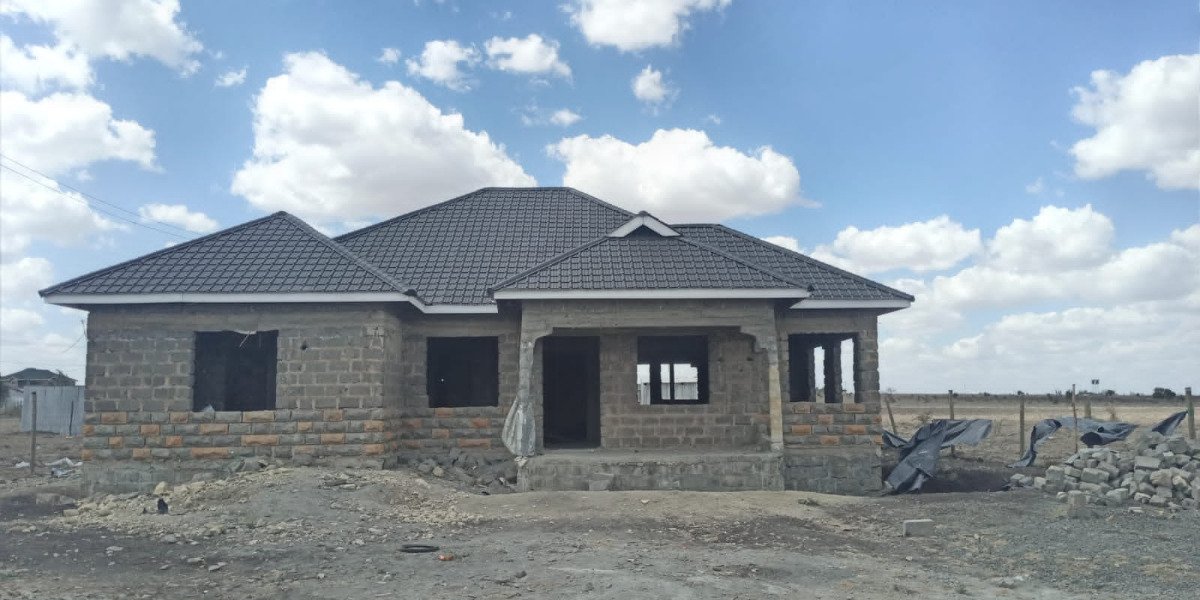
Construction costs in Kenya have surged at the fastest pace in nearly two years, pushing homeownership further out of reach for many aspiring buyers.
New data from the Architectural Association of Kenya (AAK) and the Kenya National Bureau of Statistics (KNBS) shows that the cost of building homes has increased across all residential categories, with inflation and rising fuel prices being key drivers. The AAK reports an 11 percent rise in the cost of constructing bungalows and maisonettes over the past ten months.
A standard bungalow now costs Sh54,730 per square metre, up from Sh48,750 in 2024, while the cost of middle-class maisonettes has reached Sh59,868 per square metre. High-end properties have been even more affected, with luxury maisonettes rising by 16 percent to Sh97,730 per square metre and premium apartment blocks seeing costs increase by over 15 percent.
The increase in construction costs is reflected in broader trends within the sector. The KNBS data reveals that the Construction Input Price Index (CIPI) rose by 1.27 percent from July to September, marking the steepest quarterly rise since December 2023.
Key materials such as steel, reinforced bars, and electrical fittings saw price increases of 5.2 percent, 5.1 percent, and 5.1 percent, respectively. Sand and bitumen also became more expensive, rising by 3.6 percent and 4.7 percent. While cement and timber prices eased slightly, the overall trend remains upward.
The rising costs are putting pressure on developers, who are passing the higher expenses onto buyers. As a result, the prices of new homes are increasing, further complicating homeownership in a country where mortgage terms are already restrictive.
Wage growth and household savings have not kept pace with the rising construction costs, leaving many first-time buyers unable to afford homes. This has led to a greater reliance on rental housing, particularly in urban areas where demand is highest.
Experts warn that if inflationary pressures persist, the situation will worsen. The AAK points out that higher material costs and labour adjustments are contributing to the strain, despite the relative stability of the exchange rate.




Comments
No comments yet — be the first.