
New H-1B Visa Changes: Applicants Must Reveal Social Media Accounts
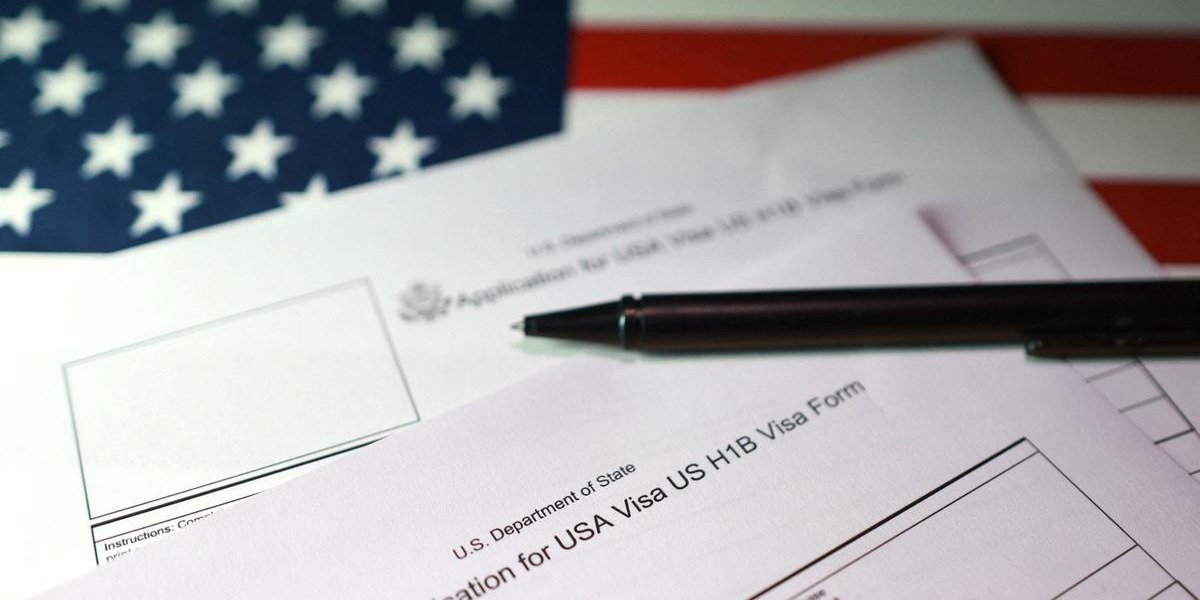
The Trump administration has introduced significant changes to the H-1B visa programme, including expanded digital vetting of applicants and a new $100,000 petition fee for employers.
The measures, set to take effect in late 2025, will reshape the process for skilled foreign workers and the businesses that hire them. Starting 15 December 2025, applicants for H-1B visas and their dependents will be required to make their social media accounts publicly accessible.
This new “online presence review” will allow consular officers to examine digital activity during the visa adjudication process. The policy, already in place for international students and exchange visitors, will now apply to H-1B holders and their families.
Consular officials will review online behaviour for signs of extremist views, antisemitic content, or hostility towards American institutions. Social media platforms such as Twitter, Facebook, Instagram, and TikTok will be routinely examined, alongside other digital tools like search engines, to assess the applicant’s overall digital footprint.
The State Department has stated that the purpose of this expanded vetting is to enhance national security and public safety. However, critics have raised concerns over privacy and the potential for subjective interpretation of online content.
In addition to the digital review, employers will face a new financial burden. Starting from 21 September 2025, companies wishing to hire foreign workers will be required to pay a petition fee of $100,000 for each H-1B application.
This fee will apply to the 2026 H-1B lottery and all subsequent petitions, although petitions submitted before the deadline, as well as renewals, will remain exempt. Current H-1B holders and F-1 students already in the United States will not be affected by the new fee, but those seeking to change their status from student to worker will be subject to the new rules.
The H-1B visa programme is often used by American firms in sectors like technology and engineering to recruit highly specialised talent. The visa allows for an initial stay of up to three years, which can be extended to six. Dependent spouses on H-4 visas, who can apply for work authorisation, will also need to comply with the online presence review.
The new rules are expected to have a significant impact on both employers and applicants. The $100,000 petition fee may discourage participation, especially among smaller companies and start-ups.




Comments
No comments yet — be the first.