
DusitD2 Terror Attack Facilitators Sentenced to 30 Years in Prison
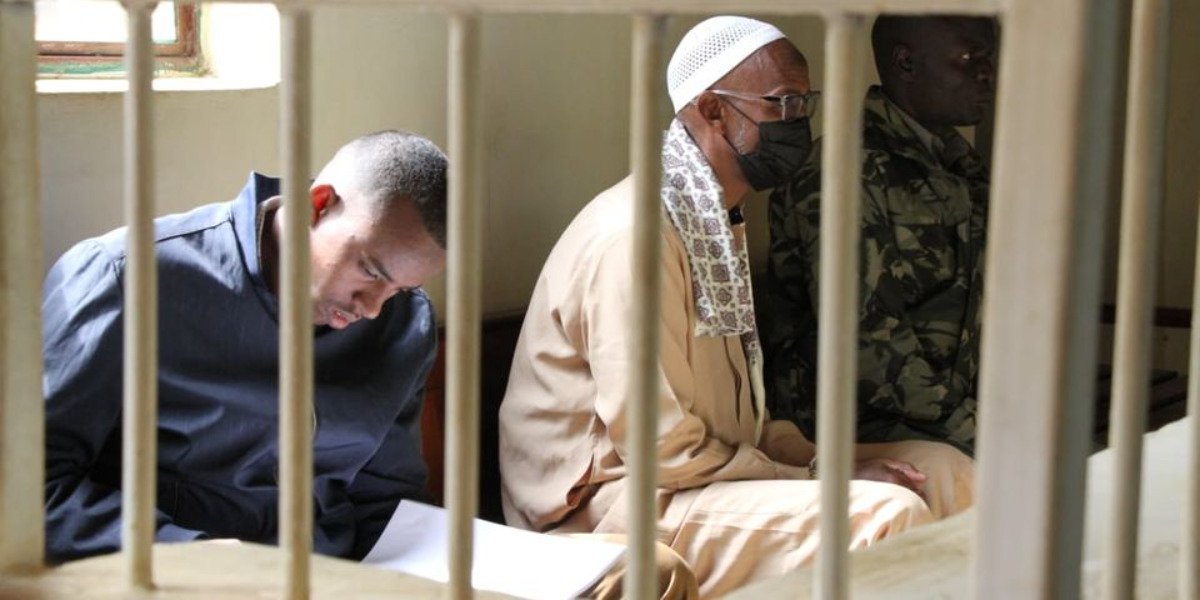
Two men have been sentenced to 30 years in prison by the High Court in Kenya for their roles in facilitating the 2019 DusitD2 hotel complex attack in Nairobi.
The attack, orchestrated by Al-Shabaab militants, resulted in 21 fatalities and numerous injuries. Hussein Mohamed Abdille Ali and Mohamed Abdi Ali were convicted of providing critical financial and logistical support that enabled the terrorists to carry out the assault. Justice Diana Kavedza, in delivering the sentence, asserts the two men were not merely incidental to the crime, but pivotal actors who deliberately empowered the attackers through their actions.
The judge states that the convicted men knowingly provided aid and resources. Investigations reveal the two convicts worked in collaboration with other individuals, notably Adamu Chege and Ali Salim Gichunge, also known as Farouk, the lead operative in the attack. Gichunge was among the five gunmen killed during the security forces' response to the attack. The attack on the 14 Riverside complex began with a suicide bombing, after which gunmen stormed the premises and opened fire on civilians and staff.
The prosecution's case hinges on forensic and testimonial evidence, with expert testimony provided by the United States Federal Bureau of Investigation (FBI). A key revelation comes from the analysis of Facebook communications and internet activity. It links Abdille to Chege, considered a central figure in orchestrating the attack from Somalia. These communications suggest ongoing coordination, undermining any claims of ignorance on Abdille's part.
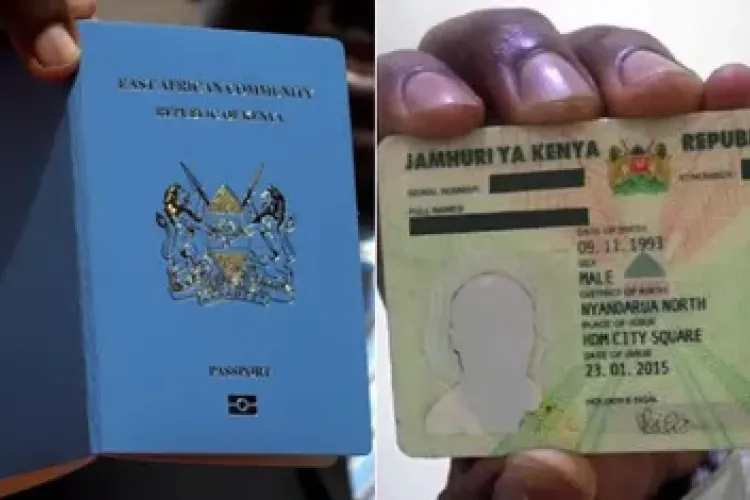
Financial records further expose a money trail from Mohamed Abdi Ali to the attackers, totalling over KSh800,000, used to rent safe houses, procure supplies, and secure the vehicle used in the attack. Ali used fraudulent SIM registrations, including one under his deceased brother's name, to conceal the transactions.





Comments
No comments yet — be the first.