
Why You Are Not Allowed to Smile in Passport and ID Photos
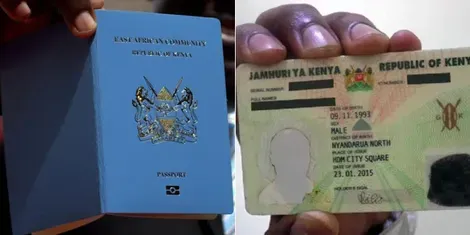
Passport and national identity card photographs are taken under strict rules that prioritise accurate identification over appearance.
Applicants must maintain a neutral expression, face the camera directly and ensure their facial features remain clearly visible. In Kenya, applicants for passports and national identity documents are required to follow specific photography guidelines designed to support reliable identity verification. These include keeping the eyes open, looking directly at the camera and maintaining a neutral expression.
Photography officials also position the camera at eye level to avoid distorting facial features. The rules are linked to the growing use of biometric technology in identity management. Electronic passports and newer generation identification documents can store biometric information used to verify a person's identity. During checks, digital systems compare an individual's live image with the facial data recorded in their identity profile.
Smiling can change several facial features used by recognition software. It alters the shape of the mouth, raises the cheeks and can affect the appearance of the eyes. These changes may make it more difficult for a system to match a live image with the photograph stored on an identity document.
For immigration and security officials, consistency is therefore more important than appearance. A neutral expression provides a standard reference image that allows recognition systems to measure features such as the distance between the eyes, the shape of the nose and the contours of the face. The aim is to capture an image that can be reproduced and matched reliably, rather than one that presents the person in the most flattering way.
The requirements also cover clothing and accessories. Applicants are generally instructed to remove glasses, hats and other items that could obscure their facial features. The eyes, eyebrows, nose and chin must remain visible, while the forehead should be sufficiently uncovered to show the natural shape of the face.
Religious head coverings are permitted in certain circumstances. Kenya's State Department for Immigration Services allows applicants to wear them for religious reasons, provided they do not conceal the essential facial features required for identification. This ensures that the photographs remain suitable for biometric verification while accommodating religious practices.
These standards form part of wider efforts by governments to improve identity management and border security. As digital verification systems become more widely used, clear and consistent photographs play an important role in reducing identity fraud and preventing impersonation. They also help officials verify documents at border crossings and government offices.
A passport or national identity photograph is therefore intended to serve a different purpose from an ordinary portrait. Rather than capturing personality or appearance at its best, it provides a standardised image that officials and digital systems can use to confirm identity.


Comments
No comments yet — be the first.