
How Kenyan Entrepreneur Wakenya Clewis Turned Her Tattoos into a Business in the US
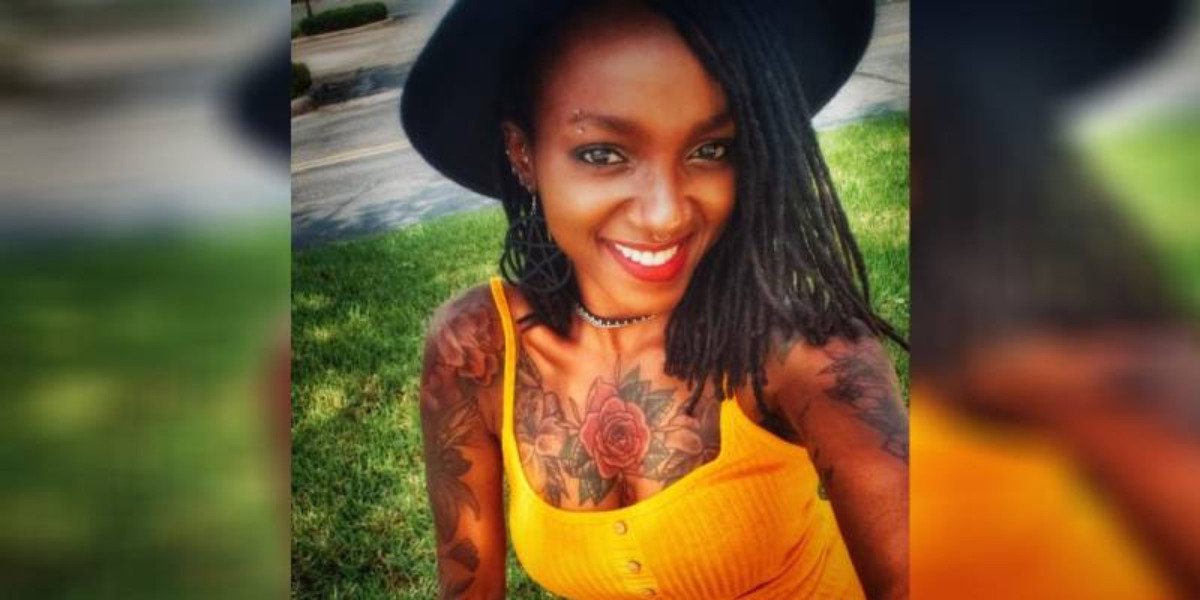
Kenyan-born entrepreneur and model Wakenya Clewis, known as the “Kenyan Hippie”, has built a career in the United States by turning her passion for tattoos into a personal brand spanning modelling, art and entrepreneurship.
Raised in Kenya, Clewis developed an early interest in creative expression and cultural performance. As a young woman, she participated in Balozi Africa, a music and dance ensemble that promoted African culture and talent to international audiences. The experience helped shape her interest in the arts and public engagement.
Her move to the United States brought new opportunities but also personal challenges. She experienced profound grief following the death of her first infant child, a loss that led her to withdraw from public life for a period. The birth of her second child in 2016 marked a turning point, encouraging her to reconsider her future and pursue a more independent path.
Clewis’s interest in tattoos developed in 2017 after a routine visit to get an eyebrow piercing. During the appointment, she met a tattoo artist whose ability to work with darker skin tones impressed her. The encounter introduced her to tattoo culture and encouraged her to explore body art.
Her first major tattoo was a butterfly, which she acquired in her mid-twenties. The design became a personal symbol of healing, growth and change. Over time, she developed a preference for nature-inspired designs, which now cover most of her body.
Rather than keeping her tattoos as a personal form of expression, Clewis recognised an opportunity to build a professional identity around them. Visible tattoos can still attract criticism and challenge conventional expectations, particularly in some immigrant communities. However, she chose to use her distinctive appearance to establish a brand instead of following more conventional career paths often associated with success among African immigrants.
Her online presence began opening up new opportunities as her profile grew. In 2020, she entered Inked Magazine’s cover girl competition, introducing her image and story to a wider international audience. The increased visibility helped her secure portrait commissions, modelling assignments and collaborations within the creative industry.
Her experience reflects how digital platforms have created new opportunities for people to earn a living through personal branding. Social media allows creatives to reach audiences beyond their immediate communities and connect with clients and businesses interested in distinctive styles and identities.
Clewis has also used her “Kenyan Hippie” identity to promote self-employment, independent thinking and entrepreneurship. Her message centres on identifying personal strengths and finding practical ways to turn individual talents into sustainable businesses. Her career offers an example of how an unconventional interest can become a source of income when combined with consistent branding and public engagement.


Comments
No comments yet — be the first.