
Looting Spree Hits Nairobi Businesses as Traders Count Heavy Losses
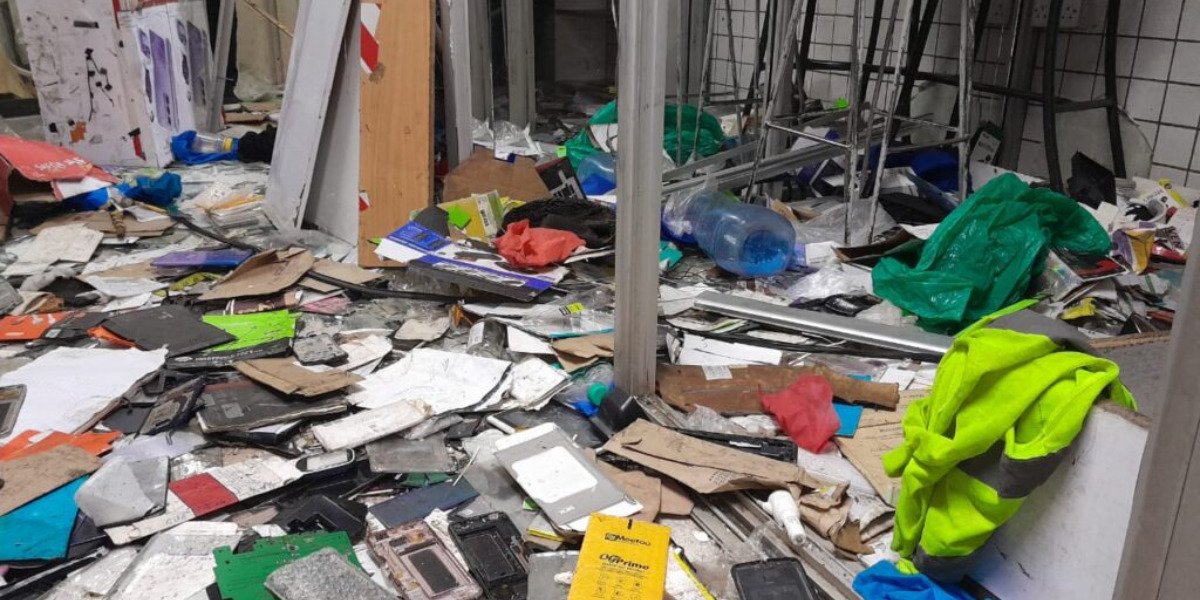
Nationwide protests in Kenya are triggering widespread concern as they escalate into destructive riots, leaving a trail of devastation across key commercial hubs.
More than half of the country's counties are grappling with the fallout from violent demonstrations that targeted small enterprises, resulting in substantial economic losses and raising questions about security preparedness. In Nairobi, the epicentre of the unrest, the Bus Station area presents a grim panorama of charred storefronts and ransacked stalls, where once-thriving businesses have been reduced to ruins.
Yvonne Otieno, a fashion entrepreneur, is among those bearing the brunt. She recently secured a Sh1 million loan to replenish her shop's inventory, only to find her business decimated. Her store, now stripped bare, reflects the brutal reality facing many traders.
"I rushed here, hoping maybe it wasn't true," Otieno recounts, tearfully surveying the damage. "But when I got here, it was all gone. Everything. They didn't leave a single shoe."
Her daughter, Bridgit, stands beside her, silently absorbing the catastrophic loss. Otieno estimates her financial setback at over KSh2 million, doubling her outstanding loan. The psychological impact is equally profound, with Otieno, who became her family's sole provider after her husband's death seven months ago, now facing an uncertain future.
"This business was all I had," she laments. "How do I start again?"
The looting sprees in Nairobi are characterised by their intensity and scope, affecting key commercial streets such as Mfangano, Moi Avenue, and Khoja Road. These areas bear witness to widespread burglary and arson. Wine and spirits outlets were ransacked, electronic shops emptied of their merchandise, and buildings set alight, requiring rapid intervention from police water cannons and county fire services to prevent further spread.
Micro, Small and Medium Enterprises Development Principal Secretary Susan Mang'eni, in a public statement, condemns the destruction and highlights the far-reaching consequences. "The destruction of sources of livelihood is akin to depriving a business owner of their life," Mang'eni writes. "Someone today has been rendered jobless. A child tonight will miss their milk. Someone will struggle to pay a loan. Someone may not access healthcare."
She cautions that the economic disenfranchisement caused by these actions creates ripple effects that extend far beyond the immediate damage. The unrest extends beyond the capital. In Nakuru, looters targeted a major petrol station on Kenyatta Avenue before police intervention, leading to significant disruptions in transportation along the Nakuru-Eldoret highway. Similar scenes unfolded in Nyeri, where Kieni MP Njoroge Wainaina's Chieni Supermarket came under siege.
Wainaina, who sought refuge within the supermarket, refused to abandon his property again, recalling previous losses during protests in June 2024, where he claims over KSh200 million in stock was looted.
"I cannot stay at home and watch my business be destroyed again. I have to do something," he asserted, addressing a group of volunteer marshals.
In Meru, Bei Sawa Supermarket fell victim to looting amid the broader disturbances. Embu witnessed attacks on both commercial and institutional properties, with Kenya Revenue Authority offices and a Safaricom shop being targeted. In Kisii, Shivling Supermarket was invaded, prompting immediate police response.
While the precise financial toll is still being tallied, initial estimates suggest that traders across the country have suffered losses amounting to hundreds of millions of shillings.




Comments
No comments yet — be the first.